Pilot lit, flame steady
A good pilot burns blue and holds still, no flickering, no popping at the burner. The gauge sits where it should and the pipes behind the unit stay dry. That boiler will carry you through a Michigan winter without a callback.

You keep relighting the pilot on your boiler, and it never lasts. Maybe it goes out overnight and you wake up to a cold house, or it dies a few hours after you light it. In a Michigan winter that's not something to ignore, since this is likely how you keep the house warm from October into April. You want to know what's causing it before it leaves you without heat on a cold night.
Most of the time the thermocouple is the cause. That's the small sensor that sits in the pilot flame and tells the gas valve the flame is lit. Once it wears out, it stops sensing the flame fast enough and the valve shuts the gas off. A buildup of soot or dirt on the pilot assembly can do the same thing. Less often, a draft from a vent or flue is blowing the flame out directly, which shows up more in a hard Michigan wind. It can also mean a failing gas valve, though that's less common. Since most homes here heat with gas, a boiler that won't hold a pilot through a cold night is worth having looked at before the weather turns against you.
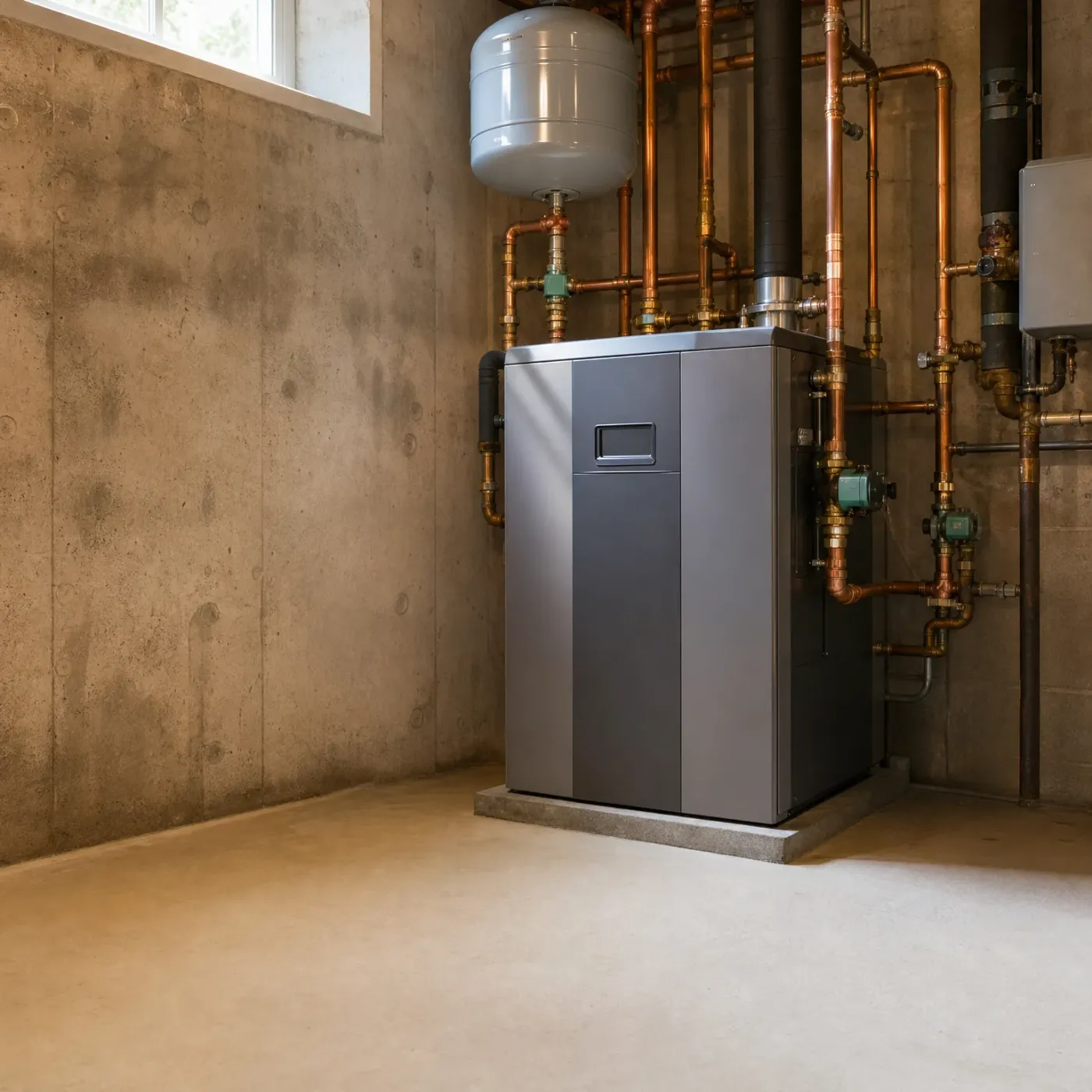
A good pilot burns blue and holds still, no flickering, no popping at the burner. The gauge sits where it should and the pipes behind the unit stay dry. That boiler will carry you through a Michigan winter without a callback.
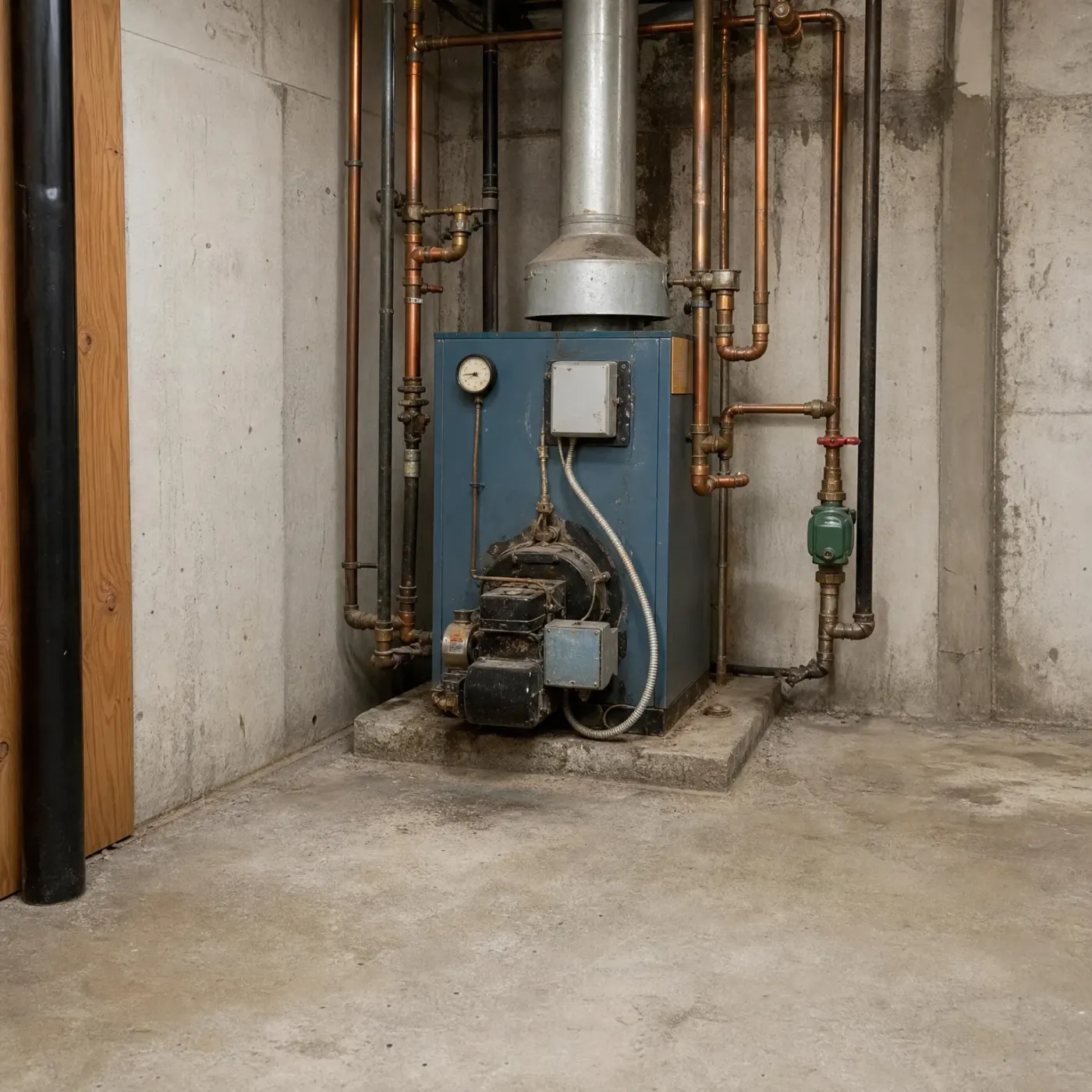
A pilot that dies again and again usually points to the thermocouple, a draft at the flue, or dirt on the orifice. Leave it alone and the burner can start acting up next, and a gas boiler that won't hold a flame won't heat your house.
You strike the pilot, it catches, and for a minute it looks fine. Then it dies, sometimes before you've even closed the panel back up. Or it holds through the evening and you find it out again at 2 a.m., radiators cold, house dropping fast. You might notice a faint gas smell near the unit right when it goes out, or a clicking sound as you try to relight it again and again. If this has been going on for more than a day or two, you're probably relighting it two or three times a shift just to keep heat moving through the house. That's not a habit to settle into. A pilot that won't hold is telling you something behind it isn't working the way it should, and a cold house in a Michigan winter isn't something to wait out.
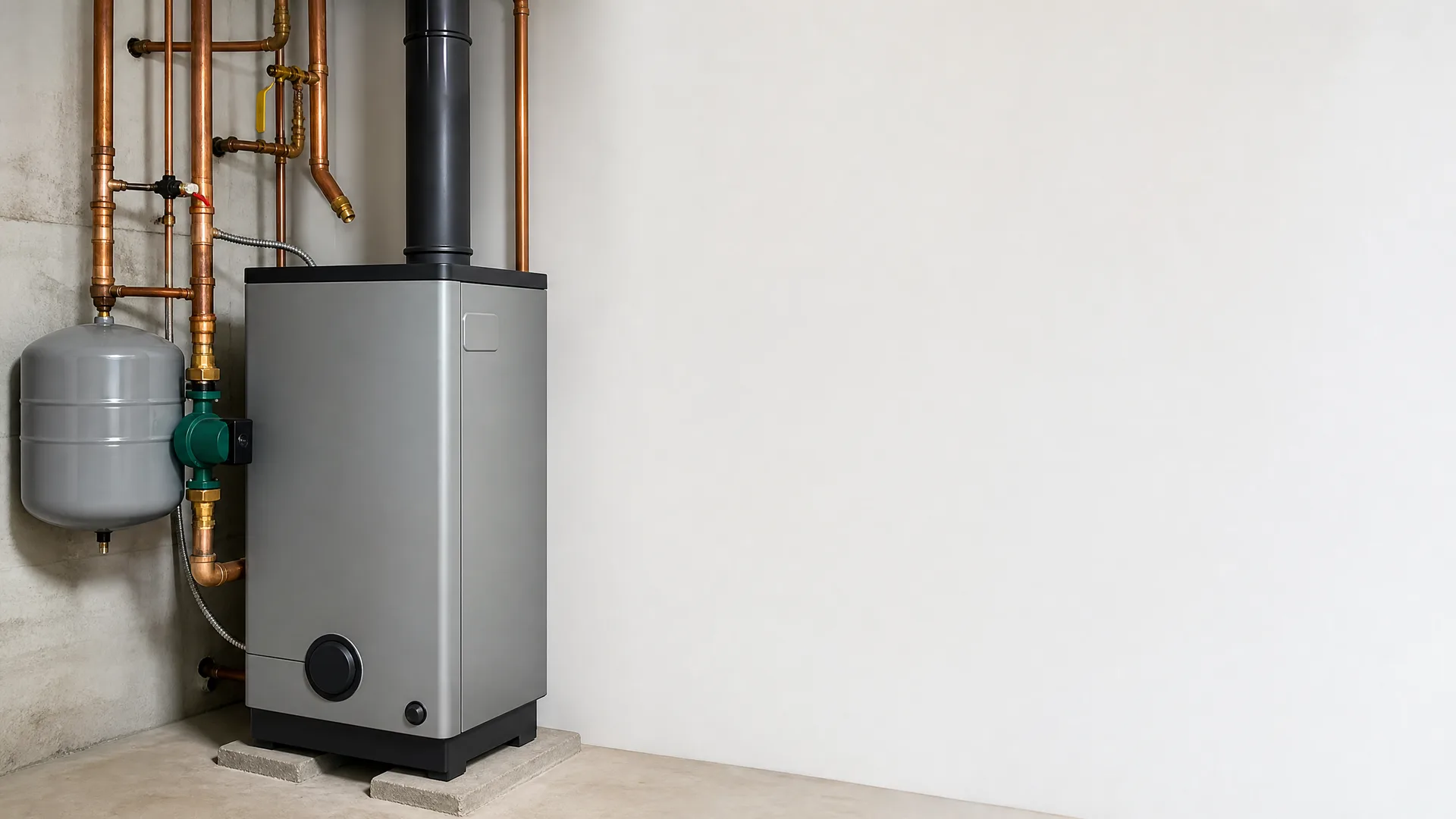
A thermocouple is a thin rod that sits in the pilot flame. The heat from the flame generates a tiny electric current, and that current holds the gas valve open. Once the rod cools down, even by a few degrees, the valve senses it and shuts the gas off. It takes about thirty seconds of flame contact for the rod to heat enough to hold the valve open on its own. If the pilot flame is weak or drifts off the rod, the valve never gets a steady signal and it cuts the gas no matter how many times you relight it.
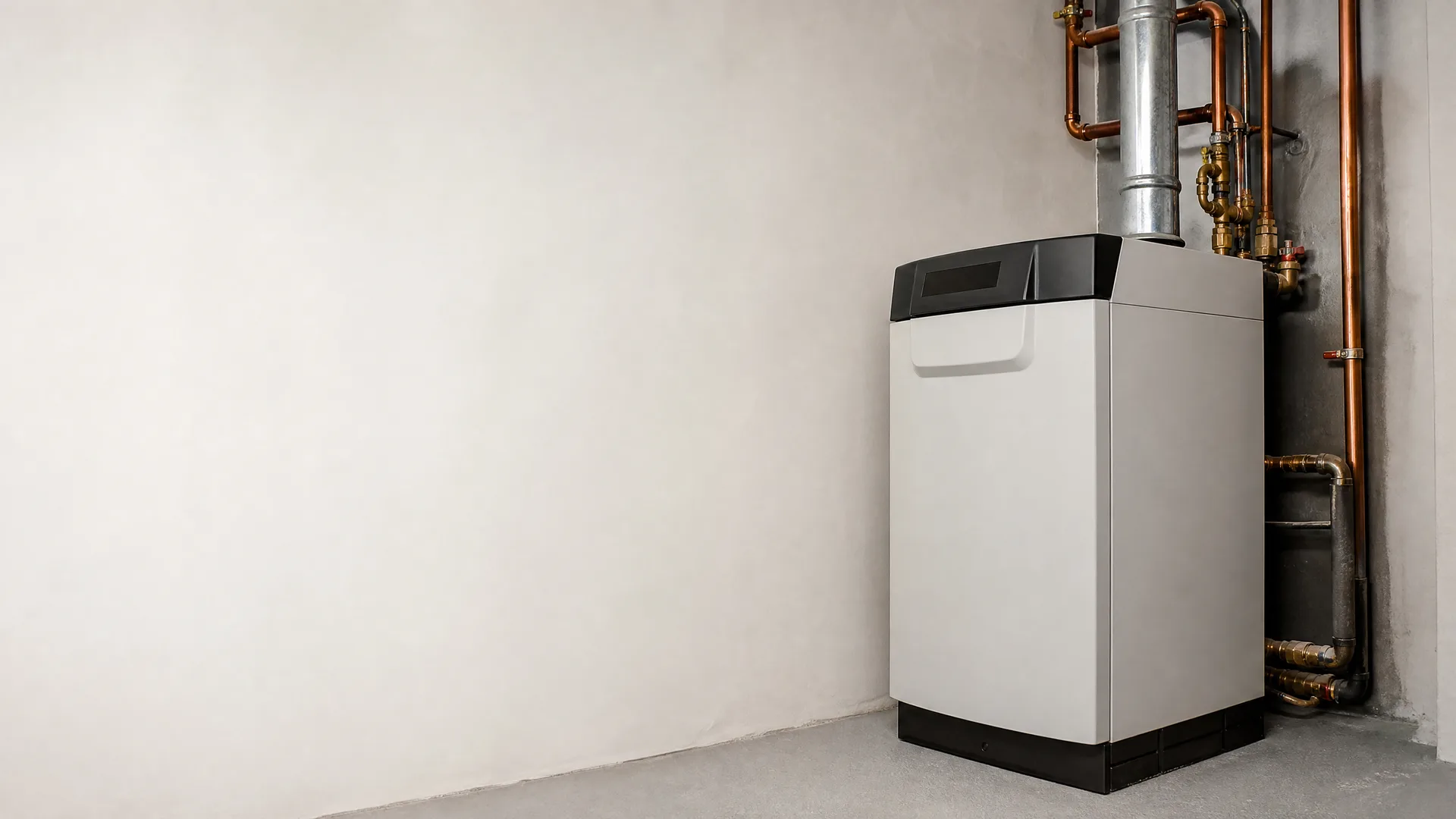
Boilers draw combustion air from somewhere, often a nearby vent or the room itself, and that air has to move past the pilot on its way to the flue. A loose vent cap, a cracked window seal, or a return vent blowing nearby can bend that flame enough to pull it off the thermocouple. In a Michigan house closed up tight against the cold, a draft that didn't matter in July can be enough in January to put the pilot out two or three times a night.

A thermocouple that's old or coated with soot can read the flame as weaker than it is, and the valve closes even though the pilot's burning fine. Swapping the rod fixes that most of the time. But if the pilot flame itself is small or leaning to one side instead of standing straight up and wrapping the tip of the rod, a new thermocouple will cool down the same way the old one did. The orifice feeding that flame can be partly blocked, or the pilot tube can have a kink in it from years of being bumped during filter changes or panel work.
That's the order a boiler tech actually checks it in: flame shape first, thermocouple second, gas pressure last. Getting that order backwards means paying for a part that wasn't the problem. A contractor who works on boilers in Michigan all winter has likely already seen your model lose its pilot for this exact reason, and whoever gets matched to your house will come in knowing where to look first instead of guessing their way through it. You'll hear from one contractor, local to you, not a string of calls from companies bidding against each other.
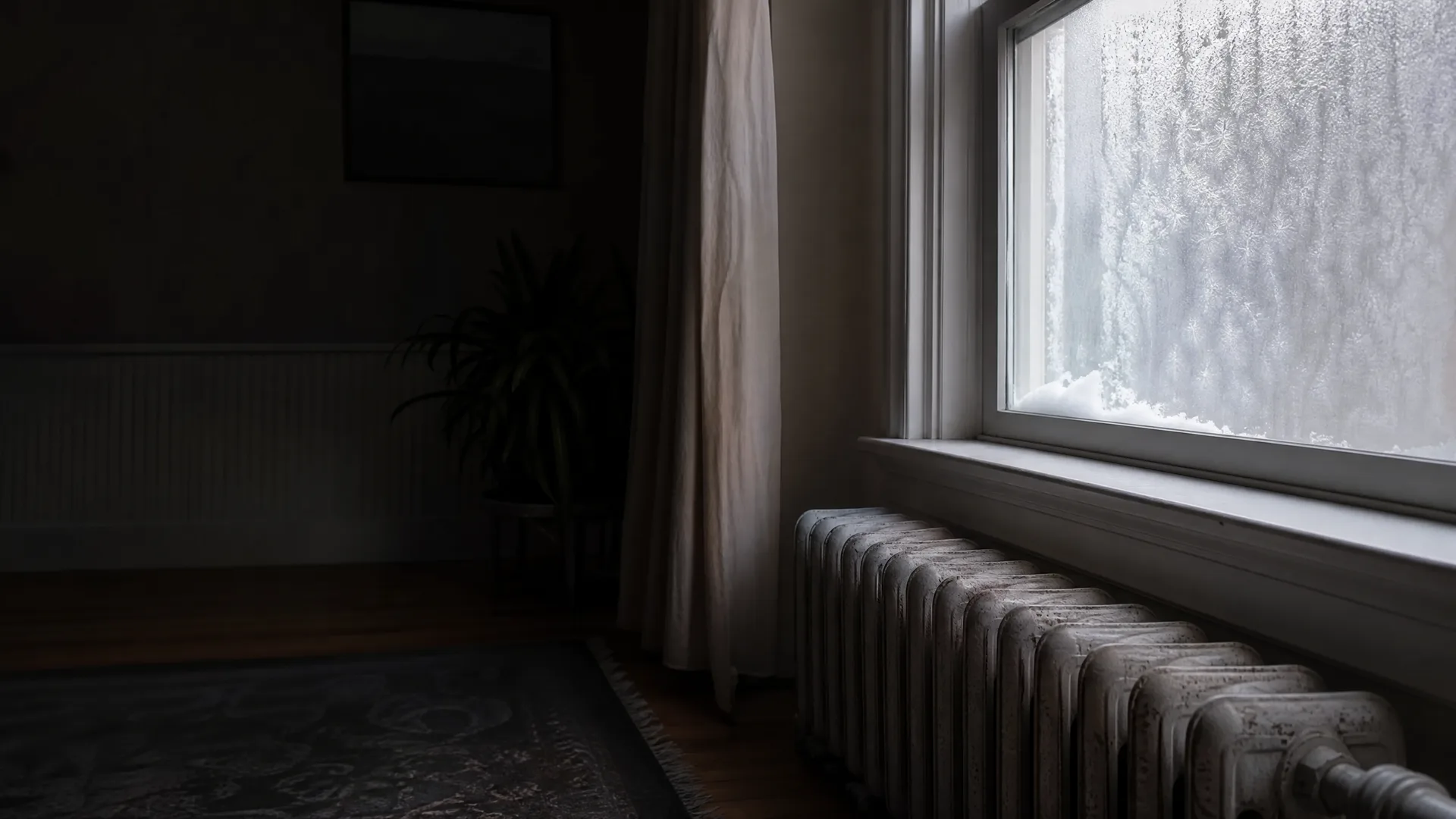
It's just after six and still dark outside. You come down in your socks and the living room is cold enough that you can see your breath near the window. The radiator under it is quiet, no tick, no hiss. Ice has crept across the inside of the glass in a thin white film. You crouch by the boiler and strike the pilot again, same as last night, and it catches and holds a small blue flame. You stand there longer than you need to, waiting to see if it sticks this time, because you've got a house to get moving and no more mornings to spend crouched on this floor. A local contractor who deals with this exact unit every winter would know within a few minutes which part is failing.
A pilot that won't hold is one of a handful of things, a thermocouple, a draft pulling across the flame, a dirty orifice, maybe the gas valve itself. Telling which one it is means being in front of the boiler with it lit, watching the flame, pulling the burner assembly if needed. That's not a call you want going to four different companies this week, each one running its own truck out to look at the same cold boiler. A local contractor who works on boilers all winter in Michigan has seen this exact complaint plenty of times, knows which part tends to fail on which age of unit, and shows up with a sense of what they're probably looking at before they open the panel. Gas heat is what most homes here run on, and a boiler that won't stay lit isn't something to keep relighting through January. Get matched with someone local who handles this kind of repair regularly, and let them take it from here.
You can clean the pilot assembly, check for a draft, and keep relighting it as it goes out. If it's dirt in the orifice, a good cleaning might hold for a while. Some people get by like this for a season, relighting every few days and keeping an eye on it. But a boiler is a gas appliance, and if the real problem is a cracked thermocouple or a gas valve on its way out, you won't know until it fails somewhere worse, maybe a night when it's below zero outside and the pipes are at risk.
A contractor who works on boilers all winter in Michigan can tell a weak thermocouple from a draft problem from a failing gas valve by watching the flame for a few minutes. They'll have the part on the truck half the time, so the fix happens the same visit instead of a second trip. You get matched with one local contractor, not a handful of companies calling you back, and they already know what tends to fail on the boilers common around here. You stop guessing at 2 a.m. and the house stays warm.




Keep relighting it yourself and it might catch for a few days at a time, especially if the problem really is just a dirty orifice. But you won't know that until someone's checked the draft and the gas valve too.
Have a contractor who works on boilers all winter look at it once and you get an answer, not a guess. Someone local who sees this same complaint every January knows where to look first.
Nineteen degrees is the average overnight low across Michigan in December, January and February. That's a boiler running most of the night, every night, for three months straight. A pilot that won't hold doesn't give it a break to recover on its own, it just leaves the house getting colder while you're asleep.
NOAA nClimDiv 1991-2020 county normals weighted by homes
Cold air crosses the burner and pushes the pilot flame off the thermocouple tip
Pilot flame shrinks or bends away instead of wrapping the rod fully
Thermocouple cools below the temperature it needs to hold the valve open
Gas valve reads that drop and shuts off fuel to the pilot


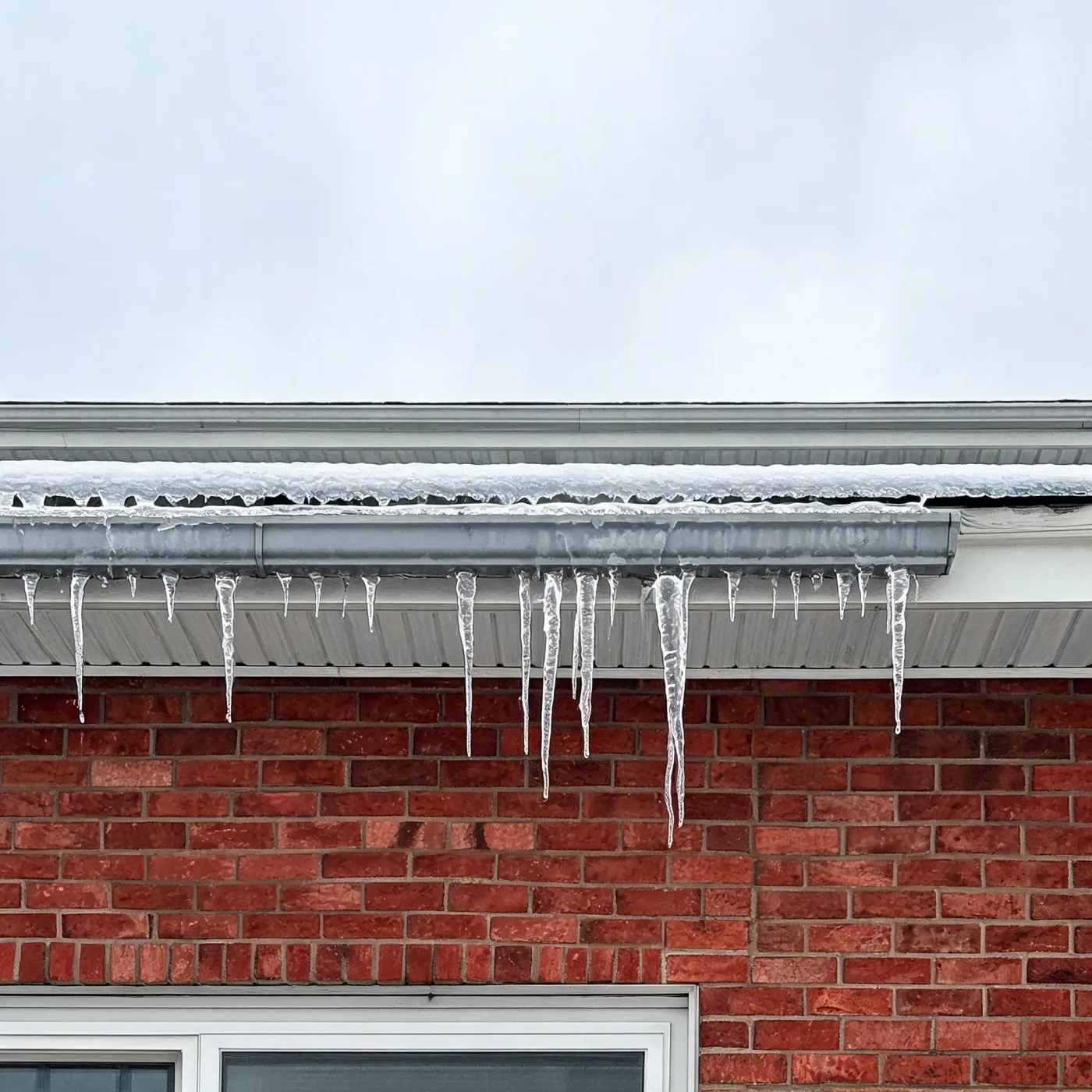
Statewide, winter nights average 19°F, according to NOAA climate data. At that temperature your boiler isn't cycling on and off, it's running long stretches just to hold the house steady. A pilot that won't stay lit has to survive hours of that before anyone's awake to notice it died. That's why the problem shows up overnight more than during the day. The burner runs longest when it's coldest, and a weak pilot gets the most hours to fail in. By morning you're not just relighting it once, you're doing it in a house that's already lost its heat.
NOAA nClimDiv 1991-2020 county normals weighted by homes
A pilot that won't stay lit comes down to one thing once someone's actually watched it fail: a weak thermocouple, a draft finding its way to the flame, a dirty orifice, or a valve that's stopped responding right. Relighting it yourself only tells you it went out again, not why. The boiler that's been doing this to you deserves someone who's spent this winter already in front of other furnaces and boilers doing the same thing, who knows which of those four to check first and what it looks like when they find it. You'll be matched with one licensed contractor local to Michigan, not a handful of companies competing for your callback, just the one who's going to show up and look at your burner. Until it's checked with the flame lit, you're guessing same as before. Get it in front of someone who does this every winter, and stop losing sleep over whether tonight's the night it goes out for good.
There's no charge for the request.
A boiler that keeps losing its pilot in January isn't fixing itself between relights. Every night it sits unlit is a night your house relies on space heaters or just gets colder. A contractor who knows boilers can watch it fail once and tell you which part is actually behind it.