
Michigan Boiler Works

How long a boiler lasts in Michigan

Skip collecting and comparing quotes for the new boiler.

Start one form

A boiler in Michigan typically lasts 15 to 20 years, sometimes longer if it's been kept up. Boilers run hard here, since most homes heat with gas through long, cold winters, and that steady cycling on and off is what wears down the heat exchanger and the other parts inside. Most failures show up in the burner, the circulator pump, or the heat exchanger itself, and once the heat exchanger starts leaking or cracking, replacement is usually the only real fix. If your boiler is past 15 years, it's worth having someone look at it before a cold snap forces the issue. A boiler that quits in January doesn't give you much time to shop around, and with power costs what they are here, an electric backup isn't something you want to lean on for long.

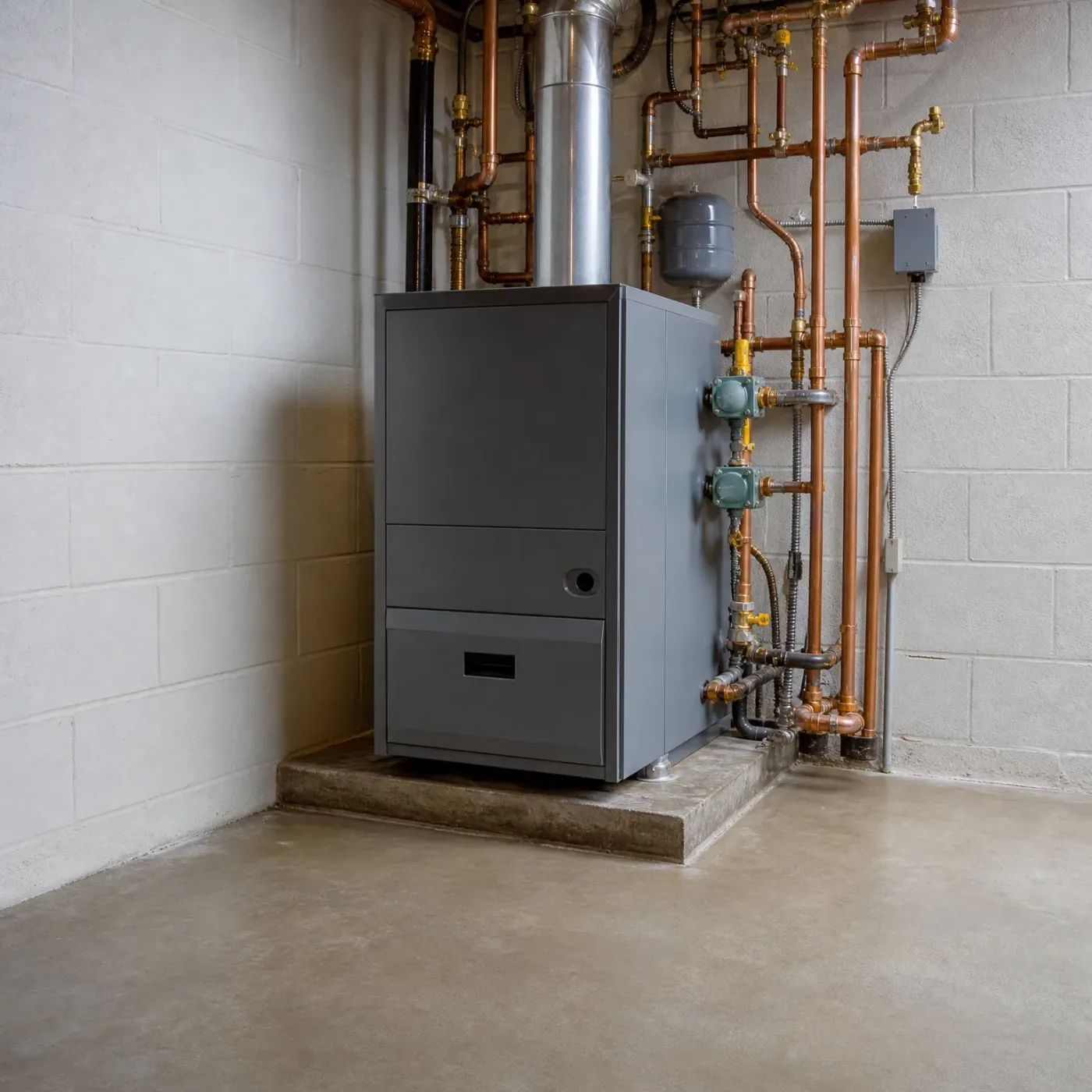
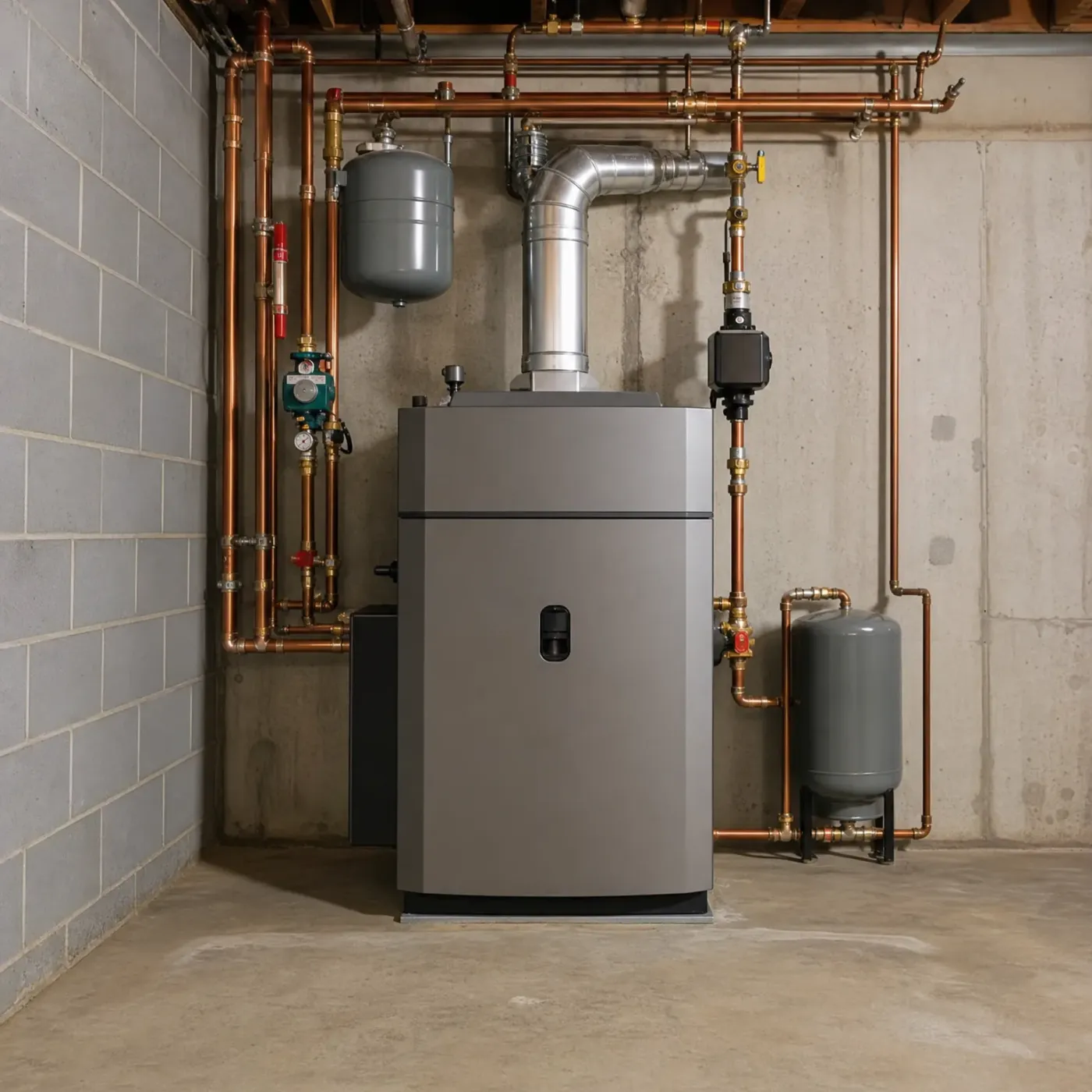
A gray boiler with a metal flue pipe stands in a basement against concrete and concrete-block walls, connected to copper piping, a circulator pump, and two gray expansion tanks.

Still on the job

A boiler with tight pipe connections, working gauges, and expansion tanks that aren't sagging or rusted is doing what it should. The circulator pump runs quiet and the pressure holds steady. Keep up with that and it earns its full years.
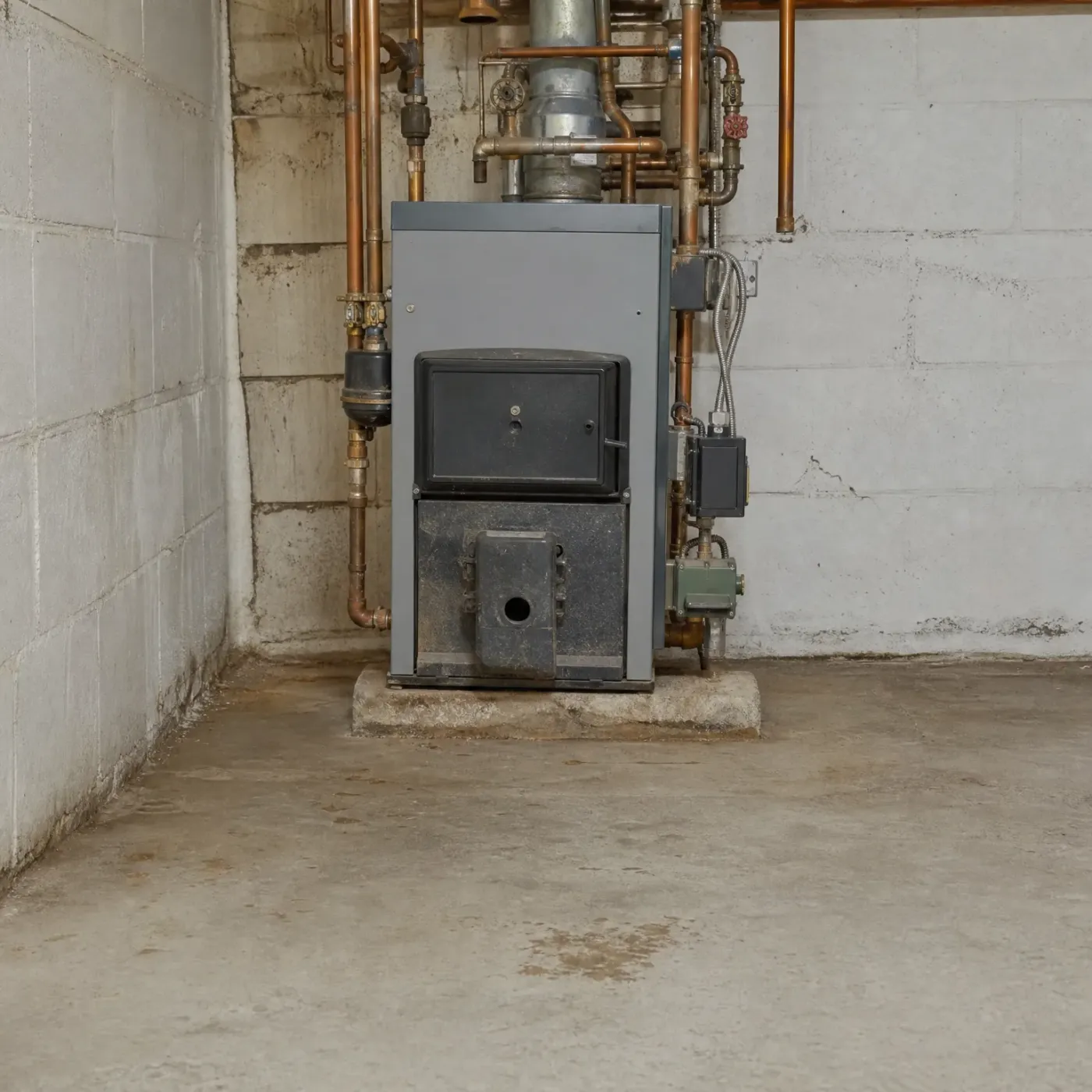

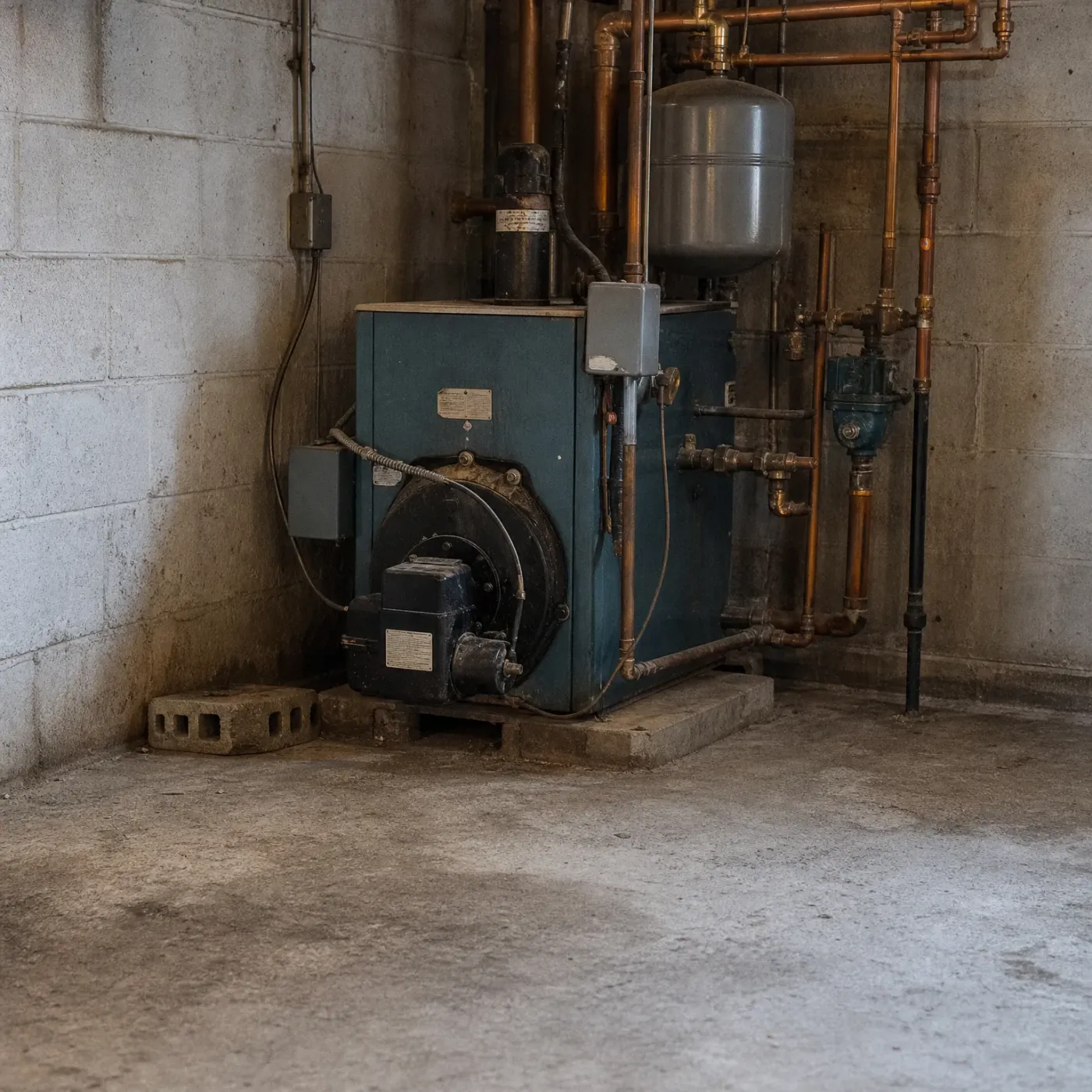
A gray boiler on a concrete pad in a basement with painted concrete block walls, copper piping, a metal flue, and electrical control boxes.

Running past its years

An old boiler on a cracked concrete pad, with a scorched control box or galvanized flue parts gone soft with rust, is telling you something. At this point a repair only holds it together a little longer. Replacing it with someone who knows gas boilers is the straighter path.

A man with grey hair and stubble in a dark sweater sits on a grey sofa indoors, looking off to the side, with a potted plant and a sunlit window behind him.
A man with gray hair, a beard and glasses, wearing a dark green sweater, sits on a gray sofa in a sunlit living room with a potted plant, table lamp and wooden sideboard behind him.
A middle-aged man with graying hair and a short beard sits on a blue sofa in a living room, looking toward a window, with a bookshelf, lamp and framed picture in the background.
A man with graying curly hair and a dark green sweater sits on a gray sofa in a sunlit living room, looking off to the side, with a framed picture, shelving, an armchair and a window with sheer curtains behind him.

Most boiler failures start small and stay hidden for a while. A heat exchanger doesn't fail all at once. It cracks, and water starts finding its way into the burner chamber or seeping out around the base, long before the boiler stops heating altogether. Scale builds on that same heat exchanger over years of hard water running through it, and once it's there, the burner has to push harder to get heat through the metal. The circulator pump is usually the first thing to make noise. A bearing going bad in that pump sounds like a grind or a squeal before the pump quits moving water to the radiators. Expansion tanks fail quietly too. One that's waterlogged or low on air pressure forces the relief valve to open and drip, which is often the first sign something's off. A slow leak at a valve or fitting can drop water pressure enough to trip the pressure switch and shut the system down, even though the boiler itself is fine. And a boiler that short cycles, firing every few minutes instead of running a full cycle, wears out its igniter and gas valve faster than one that runs steady.

How a boiler actually fails

  • A boiler fails when the heat exchanger cracks, not all at once, letting water leak into the burner chamber or out around the base.
  • Hard water fed into the system over the years leaves mineral scale on the heat exchanger, and scale makes the burner work harder to push heat through it.
  • The circulator pump moves hot water out to the radiators or baseboards, and a failing bearing in that pump shows up as a grinding or squealing sound before it quits.
  • Expansion tanks hold the extra volume as water heats and expands, and a tank that's waterlogged or losing air pressure forces the relief valve to open and drip.
  • Low water pressure trips a pressure switch that shuts the whole system down, often from a slow leak at a valve or fitting rather than anything wrong with the boiler itself.
  • Short cycling, the boiler firing on and off every few minutes instead of running a full heating cycle, puts more wear on the igniter and the gas valve than steady operation does.
A gray boiler unit on a concrete pad in a basement corner, connected to copper piping, valves and a metal flue against painted concrete block walls.
Clean copper runs, a solid expansion tank, and a tight flue connection like this mean the system still has years in it.
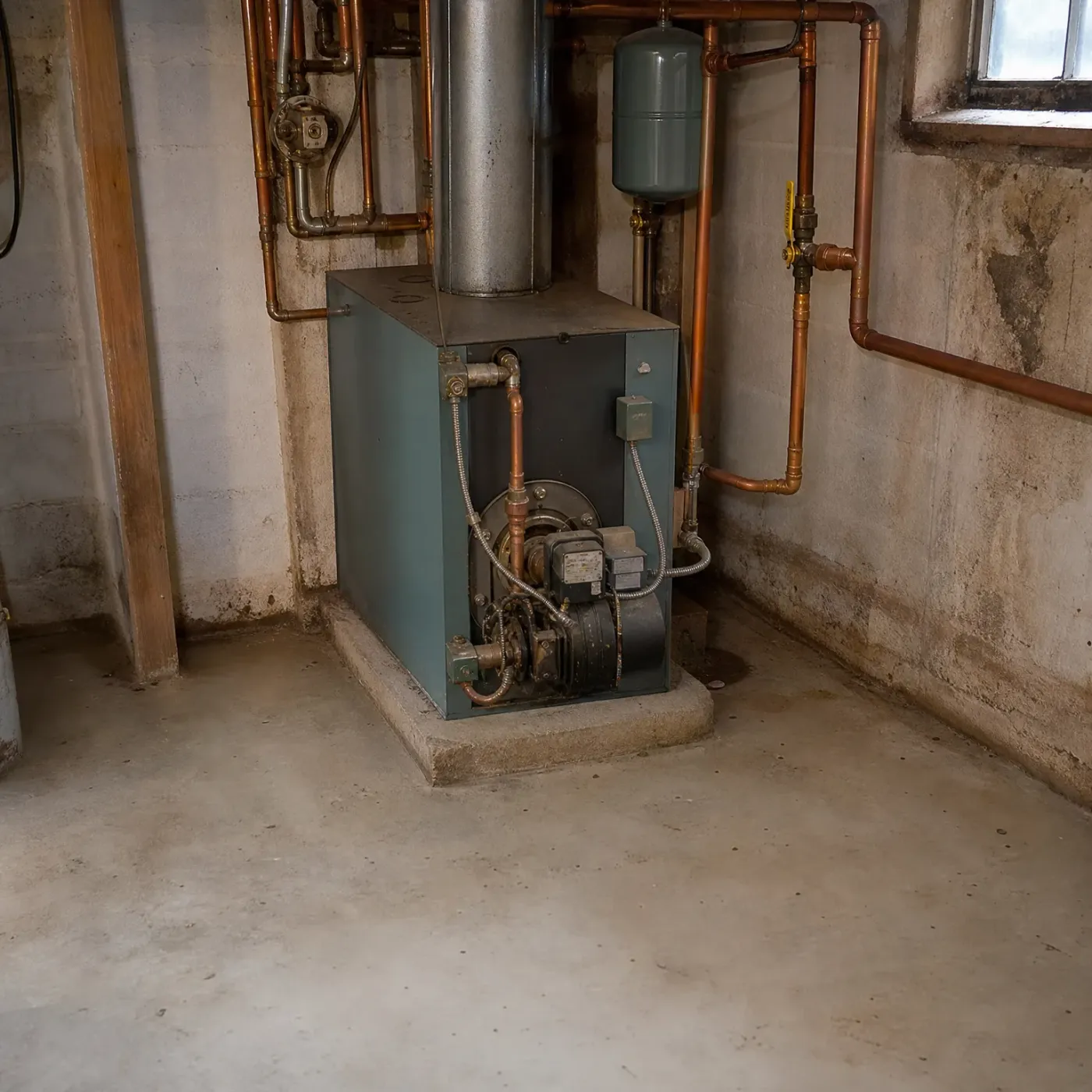
A blue oil-fired boiler with a burner unit sits on a concrete pad in a basement corner, with copper piping, valves and a gray expansion tank overhead against concrete block walls.
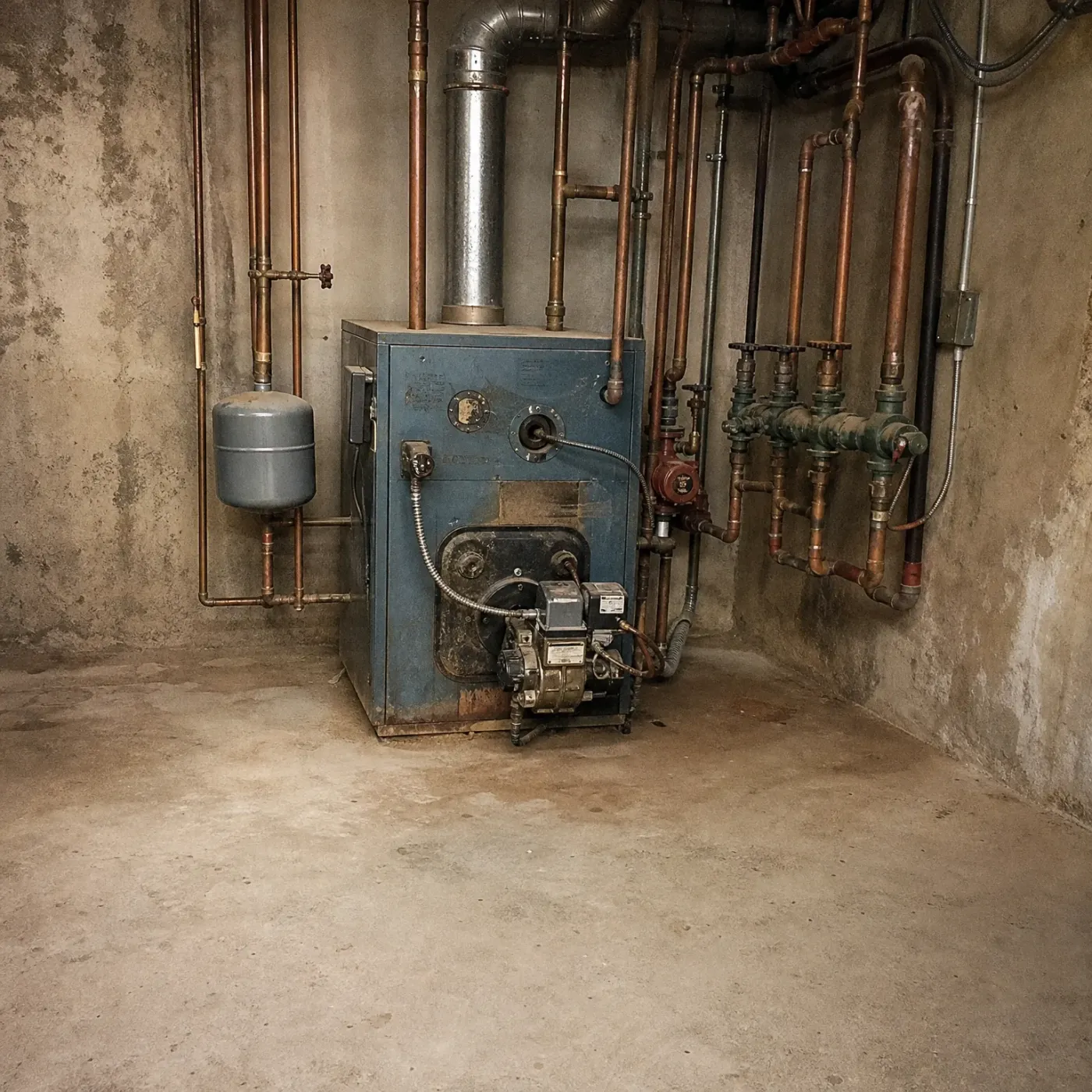
Faded paint, scaling pipe joints, and an aging tank like this are what a boiler looks like near the end of its run.
  1. Cold water enters the boiler and the burner fires to heat it.

  2. Heated water or steam travels through pipes to radiators or baseboards.

  3. Heat radiates into each room as the water or steam passes through.

  4. Cooled water returns to the boiler to be reheated and recirculated.

A closed laptop and a cream mug of coffee on a coaster sit on a dark wooden table, with a potted plant at left and a kitchen counter, tiled backsplash and shelf of ceramics in the background.

What an aging boiler means for your house

A boiler on its way out shows up in the rooms farthest from it first. The upstairs bedroom stays cold while the living room downstairs feels fine. Your gas bill climbs even though you haven't changed the thermostat, because a scaled heat exchanger needs longer burner cycles to push out the same heat. You might hear banging or kettling in the pipes as mineral deposits build up near the end of its life.

None of that means you need to start from scratch finding someone to look at it. You'd otherwise be calling around Michigan for quotes, explaining the same symptoms to three different companies, and trying to judge which one actually knows boilers instead of just furnaces. Asking here gets you one local contractor who installs and services this equipment all winter, already familiar with what tends to fail first in a system like yours.

Interior corner of a room with a window and sheer curtain at left, a gray upholstered sofa with a cushion at right, and a round wooden table holding stacked books and a round vase with an olive branch.
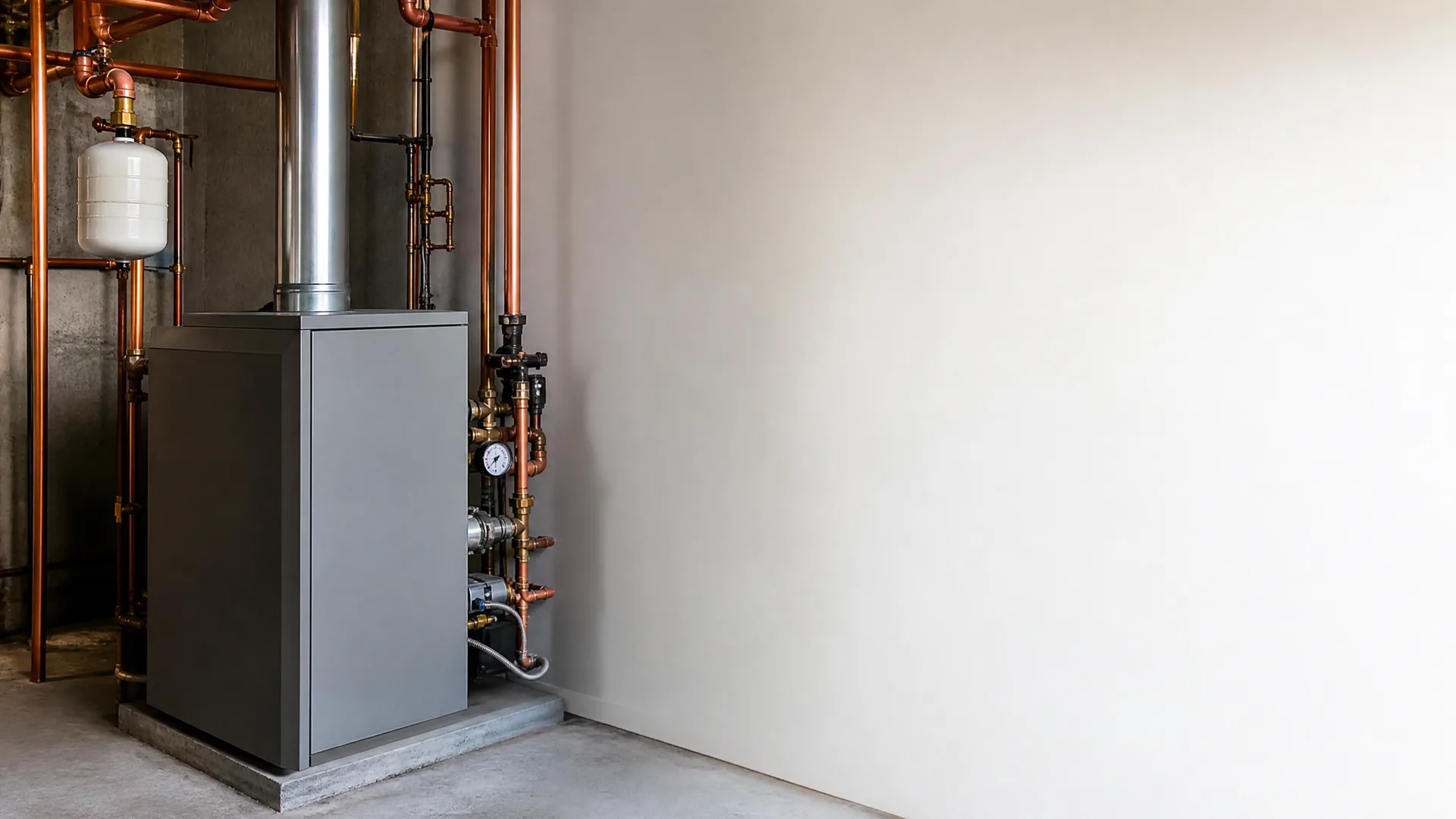
A grey floor-standing boiler with a metal flue and copper pipework, valves and a pressure gauge stands in the corner of a room with plain light walls and a concrete floor.

Why Michigan boilers run so long

A boiler is simpler than a furnace. There's no blower motor, no coil, no refrigerant line to leak. It's a sealed loop of water, a burner, and a pump moving heat through pipes. Fewer moving parts means fewer things to fail, which is part of why a well-built boiler can outlast a furnace by a decade. The cast iron or steel heat exchanger inside is built to take years of heating cycles before it gives out.

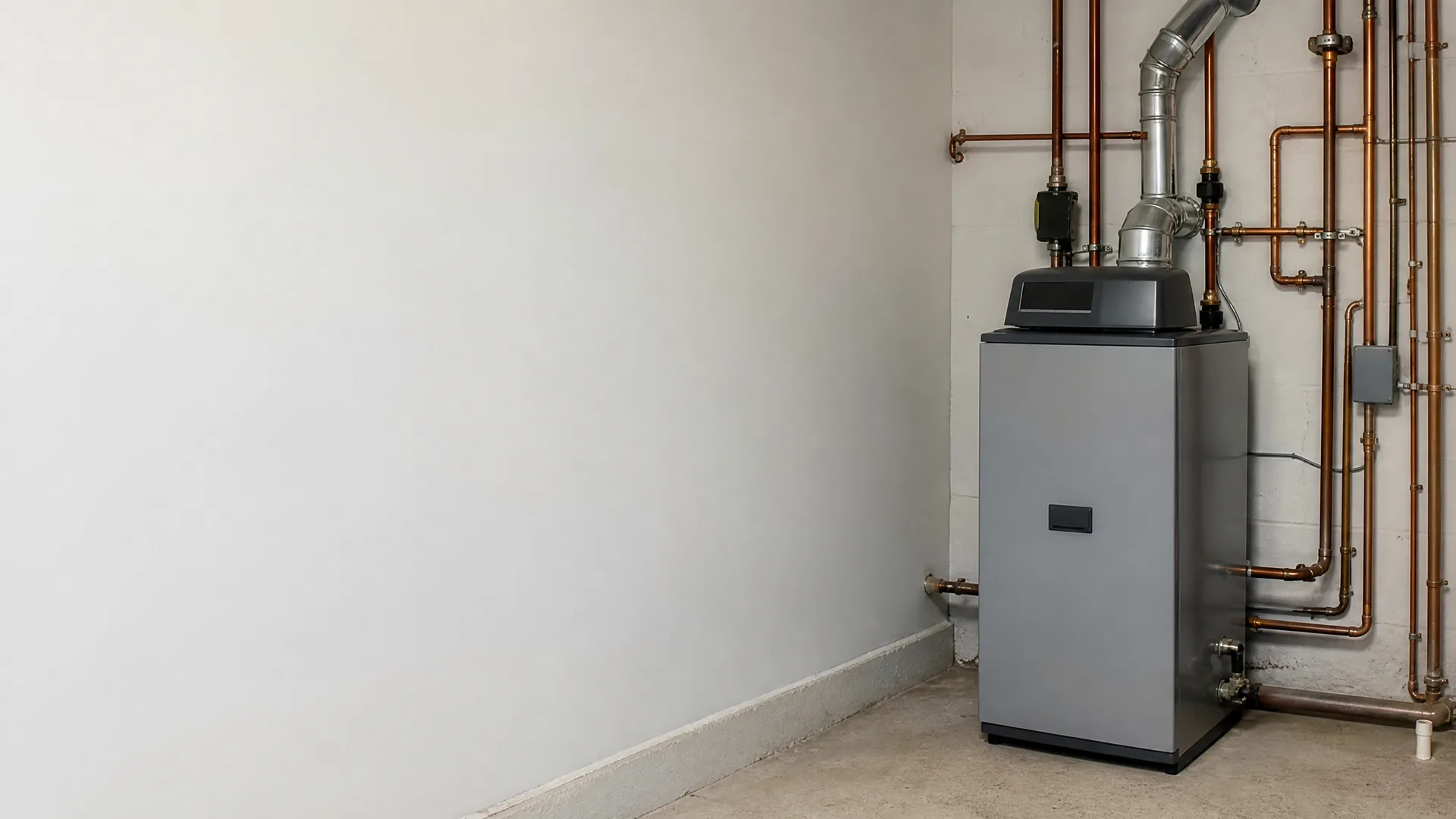
A gray floor-standing boiler with a metal flue pipe stands in the corner of a plain painted basement room, connected to copper pipes running along the wall.

What cuts that life short

Low water pressure forces a boiler to work without enough water moving through it, and that stresses the heat exchanger every time the burner fires. An expansion tank that's lost its air charge lets pressure swing instead of holding steady, which strains the same parts. Michigan winters mean the burner fires often from November through March, so a system already running on uneven pressure wears down faster than one that's been kept in balance.

Why does your boiler sound different than it used to

A boiler nearing the end usually tells you before it quits. Listen for banging or kettling in the heat exchanger, a knock that wasn't there last winter. Watch the pressure gauge drop faster than it used to, meaning you're adding water to the system more often. Check the floor around the base for a damp spot or a rust stain working its way down. The pilot or igniter might take two or three tries to catch instead of one. None of this means you're without heat tomorrow, but a slow leak left alone corrodes the heat exchanger further, and a boiler that loses pressure on its own can shut itself down on the coldest night of the year.

An older blue boiler with a burner unit stands in a concrete basement corner, connected to copper and steel piping, valves and a gray expansion tank on the wall.
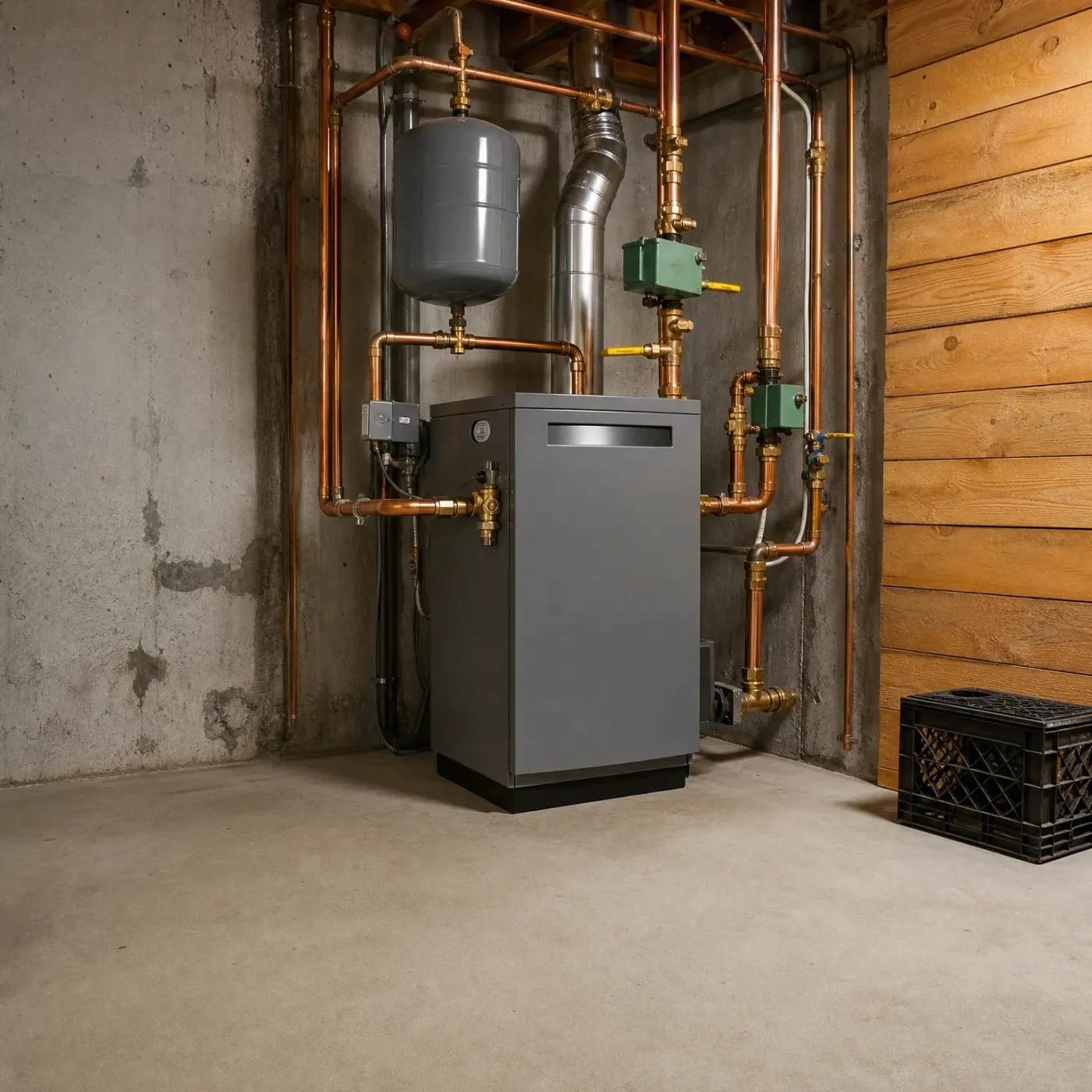
Before you get your boiler installation
A gray boiler unit in a basement corner with copper piping, brass valves, a gray expansion tank, a metal flue duct, concrete walls and a wood-paneled wall, with a black plastic crate on the floor at right.
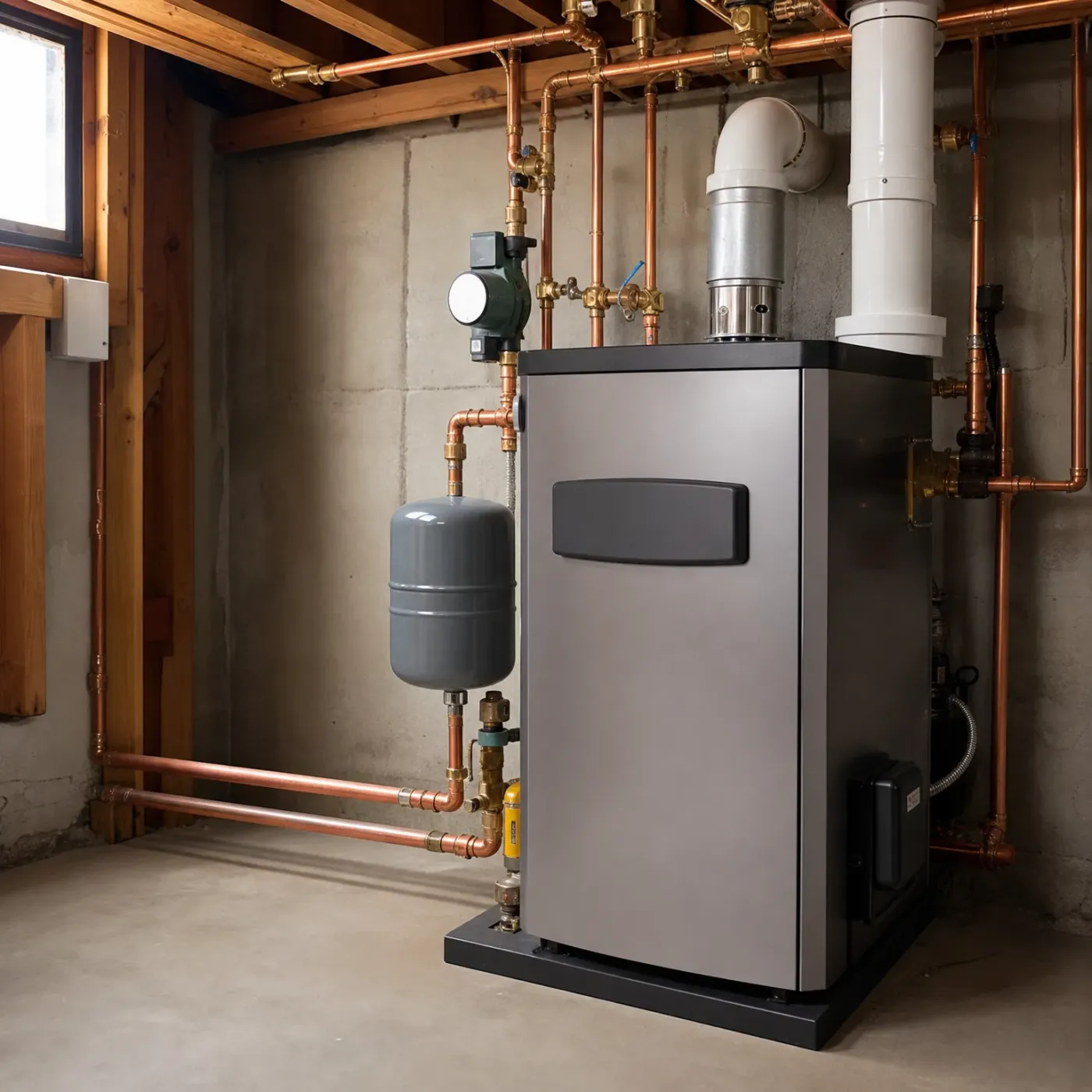
After you get your boiler installation
A gray boiler on a black base in a basement with concrete walls, connected to copper piping, a circulator pump, a gray expansion tank, and white and metal flue vent pipes.

Skip calling around

One installer gets your project, so there's no bidding war over it.

Skip searching for a boiler pro and answer a few questions instead.

Find a local pro

There's no charge for the request.

Winter nights average 19°F statewide

At 19°F, your boiler isn't cycling off much on a January night. It's running long stretches to hold the house steady, and that's the load it's built for. A unit that's losing pressure or short cycling won't keep up when it's this cold outside.

NOAA nClimDiv 1991-2020 county normals weighted by homes

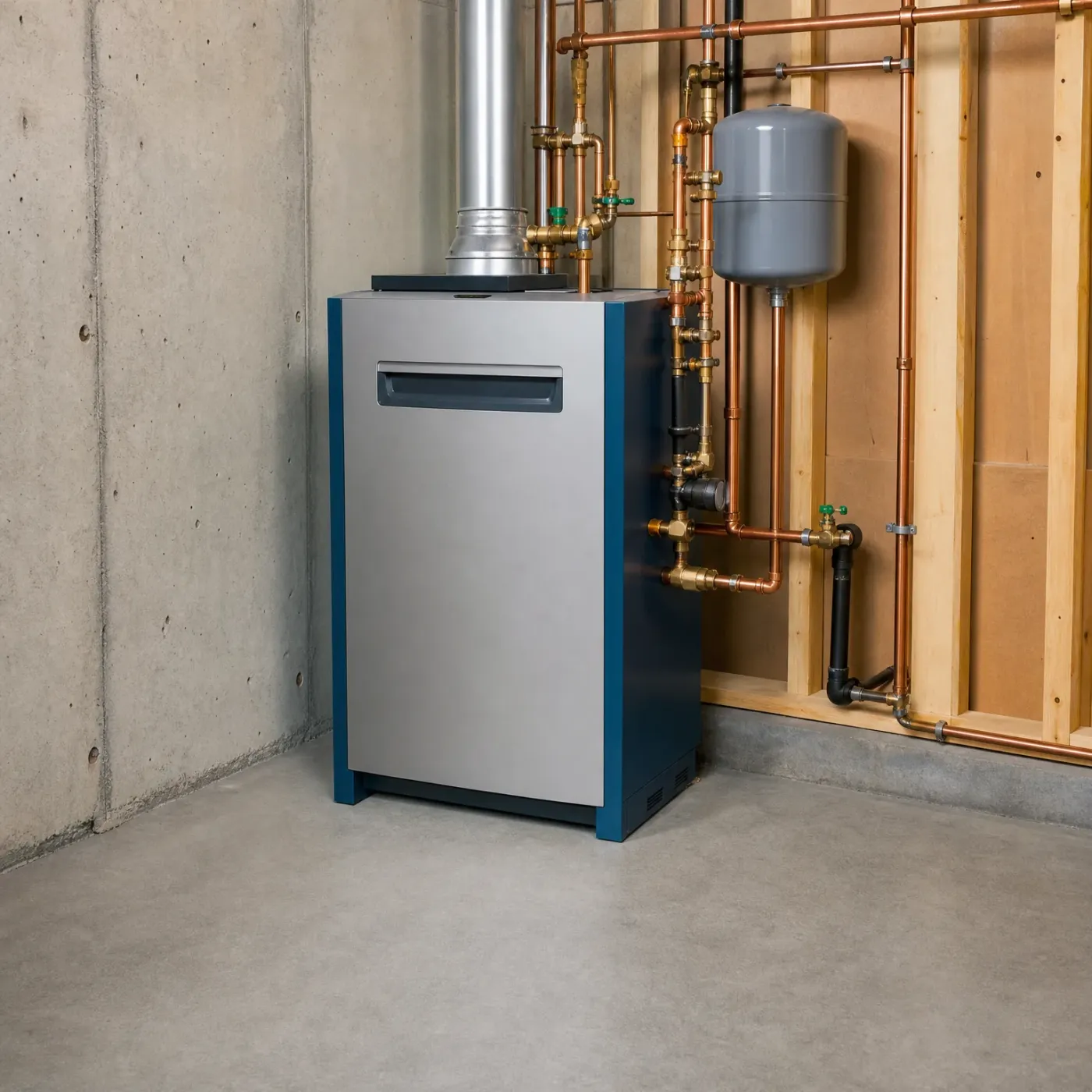
A gray and blue floor-standing boiler in a basement corner, with a metal flue pipe and copper and black piping, valves, and a gray expansion tank mounted on an unfinished wood-framed wall beside a concrete wall.

Running the way it should

Copper and brass fittings stay tight, the expansion tank sits solid on its wall mount, and the black iron pipe shows no sign of rust weeping at the joints. A boiler set up like this, with clean connections and proper support, is early enough in its life that a new install isn't the question yet.

A green oil-fired boiler with a flue pipe, burner and circulator pumps sits on a concrete pad in a basement corner, surrounded by copper piping and an expansion tank against concrete walls.

Past its working life

Piping runs straight off the concrete pad with no isolation from the block wall, and the flue pipe shows the scale and discoloration of years of exhaust. A setup like this, worn at every joint it touches, is what tells a Michigan homeowner it's time to talk installation instead of another repair.

Why do boilers last so much longer than furnaces?

You've had a furnace before, maybe in another house, and it didn't make it past 15 years. Your boiler is older than that and still heating the place fine through the Michigan winter. It's a fair thing to wonder about, whether this is luck or whether boilers are just built different.

A boiler has far fewer parts that can fail

A furnace pushes hot air with a blower motor, moves it past a coil, and depends on an inducer motor and ductwork to get heat where it needs to go. A boiler skips most of that. It heats water in a sealed loop and sends it through pipes to radiators or baseboards, with a single circulator pump doing the moving. No blower motor burning out, no coil to corrode, no ductwork to leak air into the attic. Water also holds heat better than air, so the system isn't working as hard to keep rooms warm. Fewer things spinning or wearing down means fewer things breaking, and that's a lot of why a boiler outlasts a furnace by five years or more.

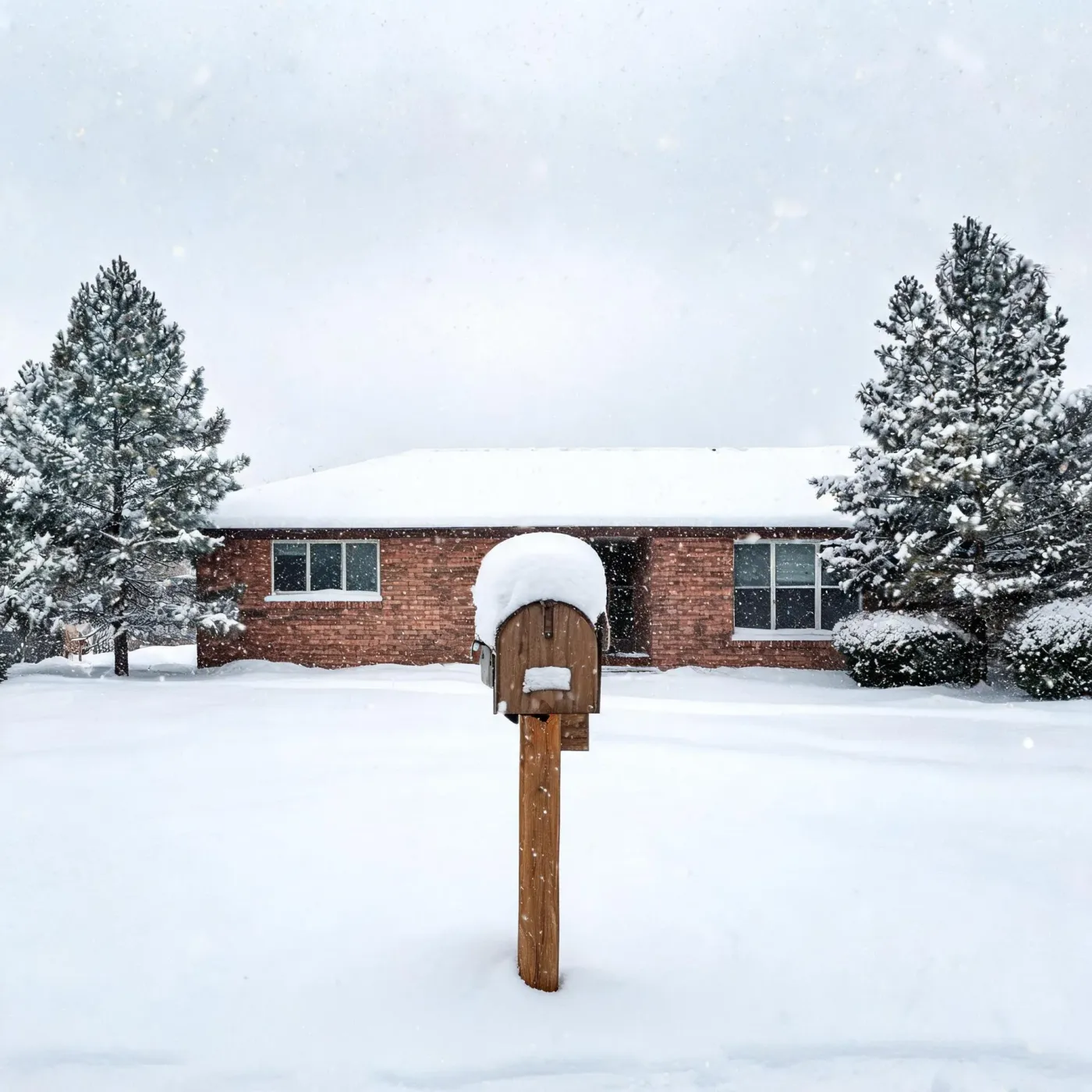
A snow-covered wooden mailbox on a post stands in a deep snowy yard in front of a single-story brick house flanked by snow-laden pine trees during falling snow.

Winter nights average 19°F across Michigan, per NOAA climate data. That's the kind of cold that keeps your boiler firing most of the night instead of cycling on and off. A system in good shape handles that without trouble, holding steady pressure and even heat room to room. One that's already stressed, with a pump losing its prime or a heat exchanger scaling up, has a harder time keeping pace, and you'll feel it as rooms that won't quite come up to temperature or a burner that seems to run longer than it used to.

NOAA nClimDiv 1991-2020 county normals weighted by homes

A woman with shoulder-length brown hair wearing a beige knit cardigan sits in a gray upholstered armchair near a window, looking off to the side with a slight smile, with bookshelves blurred in the background.
A woman and a sleeping child wrapped together in a cream knitted blanket on a couch, with a potted plant, framed photo and lit lamp in the background.

Where your boiler stands now

  • A Michigan boiler kept up right runs 15 to 20 years, sometimes well past that.
  • The signs of trouble show up before the failure does, in the pressure gauge, the pipe joints, and the sound of the burner.
  • A boiler that's cycling long and steady through a cold night is doing its job, not wearing out early.
  • Scale, rust, and sagging fittings are what end a boiler's life early, not its age alone.
  • A local contractor who services boilers all winter knows which of these signs means a repair and which means it's time to replace.
  • Working with one licensed installer means one visit, one answer, and no juggling calls from several companies.

Fifteen to twenty years is the range, and a boiler that's been kept up can run past it. What decides which side of that range yours lands on isn't its age so much as what's been happening inside it. Scale building on the heat exchanger, rust working into the fittings, pressure that won't hold steady, these are what end a boiler's life early. A unit free of that can keep firing through another Michigan winter without trouble, holding its own on a 19 degree night the same way it did ten years ago.

The gauges and the sound of the burner tell you which case you're in before a breakdown does. That's not something to read off a chart. It takes someone who's been inside enough boilers to know a sagging expansion tank from one that's just old, and to tell you honestly whether what you're hearing is a repair or the start of the end.

That's the kind of read a local contractor gives you, one who's serviced boilers through enough Michigan winters to know what usually goes first in a system like yours. Getting matched with one means a single visit and a straight answer, not three different opinions from three different companies, each wanting a look at your basement before they'll tell you anything.

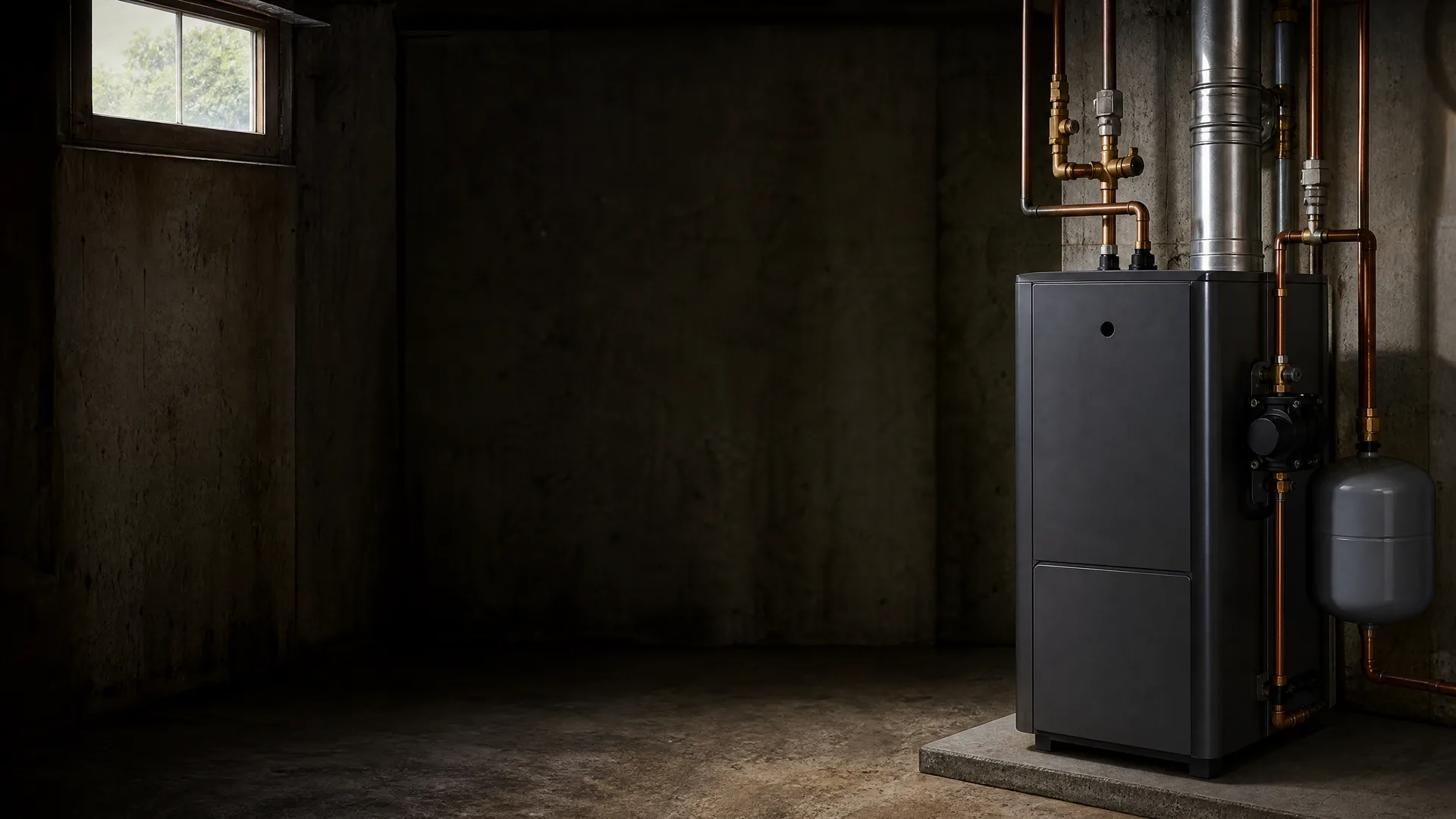
A dark grey boiler unit on a concrete pad in a dim basement, with copper pipes, a metal flue, and a grey expansion tank on the wall, and a small window with daylight on the left.

Describe it once

Your request goes to one pro, not a list of companies.

Step 1 of 3: Equipment