One visit, one contractor
The request goes to one local contractor who works on boilers all winter, not a handful of companies competing for the job. No scattered calls to sort through.

Send one request and you're done looking
A boiler that's never looked at tends to show its problems in January, not before. A tune-up before the cold sets in means someone checks the burner, the pressure, the venting, and whatever else your system needs to make it through a Michigan winter. This page covers what that visit should include and what it catches early. Send the form and a local contractor who handles boilers all season takes it from there.
Hand it offA boiler tune-up before winter covers the things that cause most mid-winter breakdowns: the burner is cleaned and checked, the pressure and water level are set right, the venting is inspected for blockage, and the controls and safety switches are tested to confirm they respond the way they should. A technician also checks for mineral buildup and corrosion in the system, since both get worse the longer they sit. The point of doing this in the fall is that a boiler under strain will tell you by shutting down or running poorly, and it tends to do that on the coldest night rather than a mild one. Michigan winters ask a lot of a boiler for months at a stretch, and most of the gas-heated homes here run that system hard from November into March. Catching a weak part or a pressure problem now means it gets fixed on your schedule, not in a cold house at ten at night.




The request goes to one local contractor who works on boilers all winter, not a handful of companies competing for the job. No scattered calls to sort through.
Low pressure and a blocked vent cause two different failures. A tune-up catches either one before January asks your boiler to work through it.
Technician checks the burner flame and cleans it
Water level and system pressure get tested and adjusted
Flue and venting are checked for blockage or leaks
Thermostat, aquastat, and safety switches are each tested
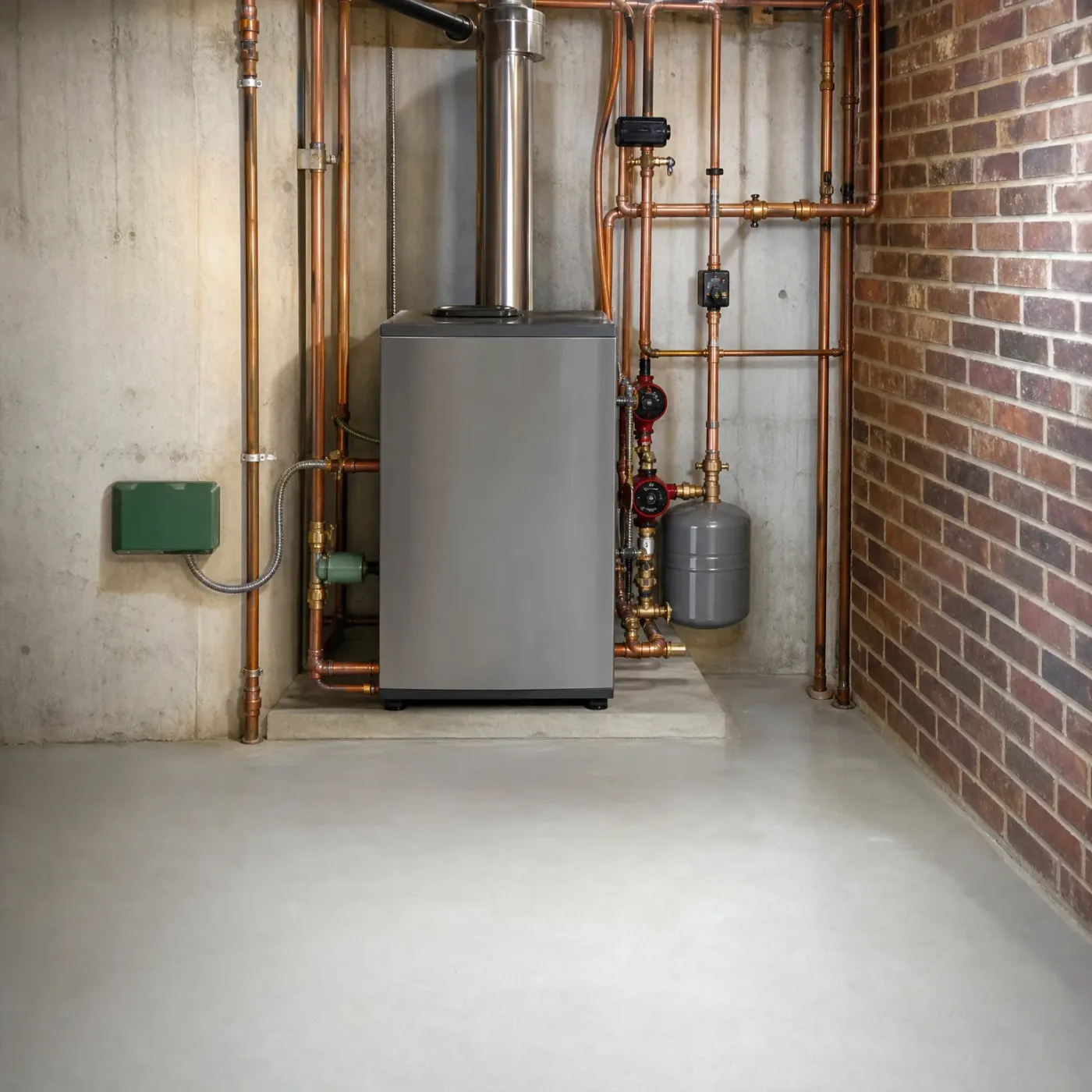
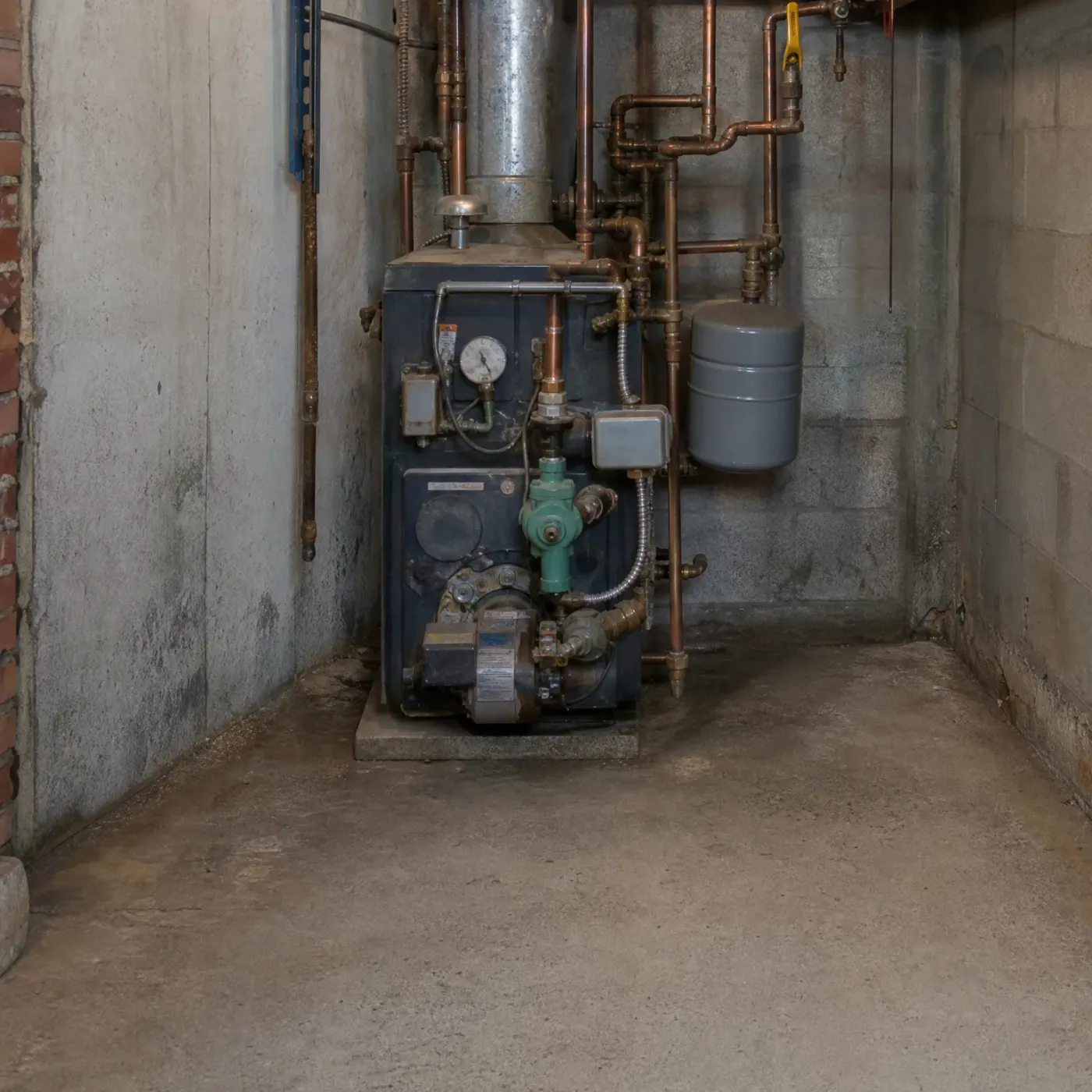
Most of what a tune-up catches doesn't announce itself in October. A slow leak at a fitting holds steady pressure until the boiler is running hard every day, then it doesn't. A yellow flame at the burner looks almost the same as a blue one unless someone checks it, and the difference is gas burned for nothing and exhaust that isn't venting clean. The flue matters more once your windows are shut for the season, since anything blocked there has nowhere to go but back inside. An aquastat that sticks keeps the boiler firing longer than the house needs, and in Michigan, where power costs real money, that shows up on the bill before you've figured out why. The low-water cutoff is the one part you want tested on a mild afternoon, not discovered faulty in the middle of a cold snap when the water level drops and nothing shuts it down. None of this is dramatic on its own. It's a pump working a little harder, a joint under a little more strain, until the coldest night of the year finds whichever one was already weak.


A boiler doesn't give much warning before it quits. It runs fine in October, fine in November, and then a cold snap in January finds the one part that was already failing. Once that happens you're not scheduling a tune-up anymore, you're waiting on a repair while the house cools down and the gas bill climbs trying to keep up. Sending this request now means a local contractor who works on boilers all winter, not whoever happens to be free when things break, takes a look while there's still time to order a part or swap a switch on an ordinary afternoon. You send one request and it goes to that one contractor, so you're not fielding calls from five companies trying to win the job. From here, finding someone to check your system stops being something you have to manage. That's worth doing before the first real cold hits, not after.
A tune-up finds a problem while it's still small. A fitting weeping a little water gets tightened before it turns into a leak that drops system pressure overnight. A flame burning yellow instead of blue gets traced to a dirty burner before it fouls the heat exchanger. A pump that's starting to grind gets heard in October, when a part can still be ordered without waiting. None of these show up as a breakdown yet. They show up as something slightly off, the kind of thing a contractor who works on boilers all winter knows to check for and knows what it usually means.
Wait, and the same small problem shows up differently. The weeping fitting is now a leak the system can't keep up with, and the boiler is losing pressure on the coldest night of the month. The yellow flame has been running that way for weeks, and now there's a smell of exhaust that shouldn't be in the house. The pump that was grinding has seized, and the house has no heat until a part comes in. It's the same failure either way. The difference is whether it gets found on a weekday in the fall or during a cold snap with the house already cold.
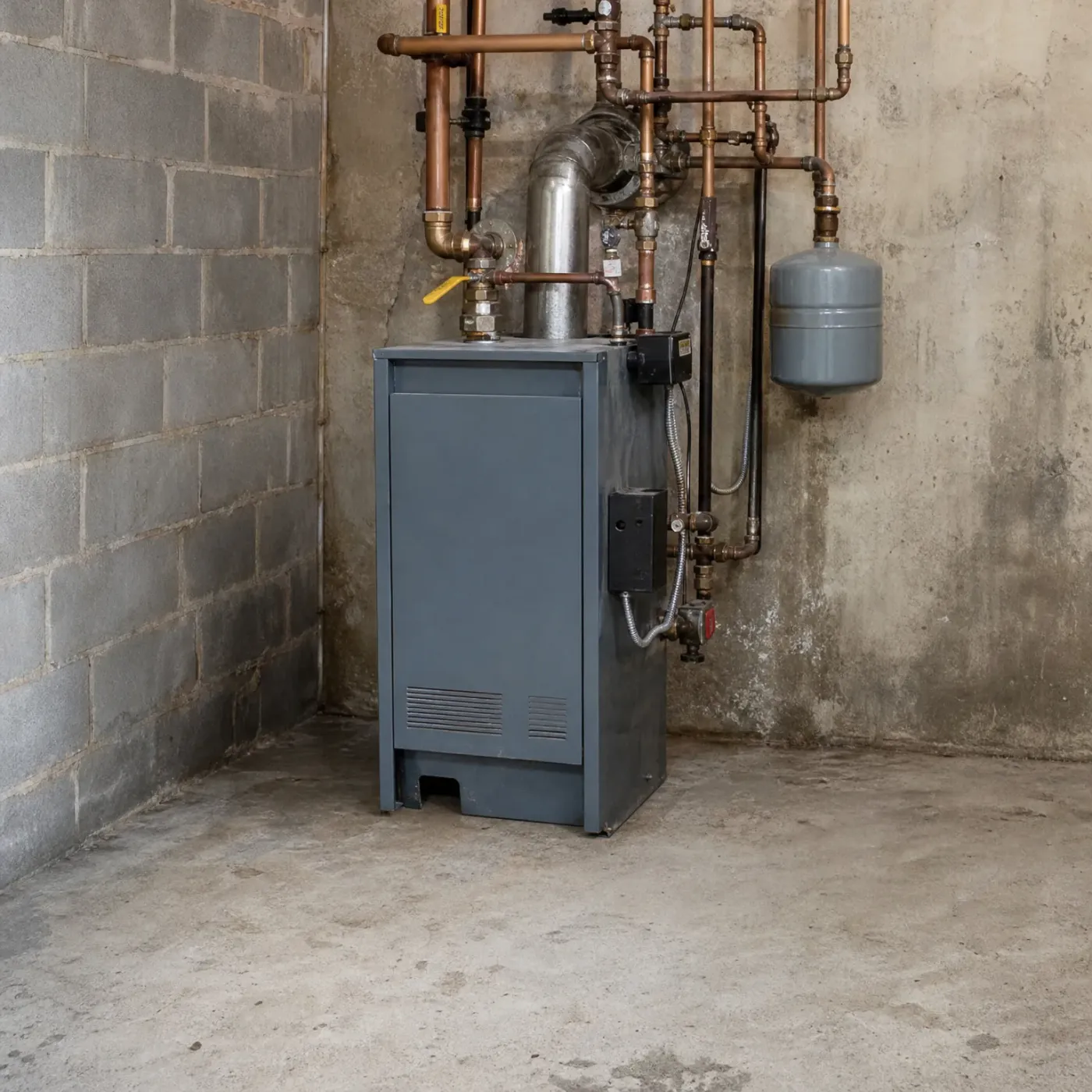
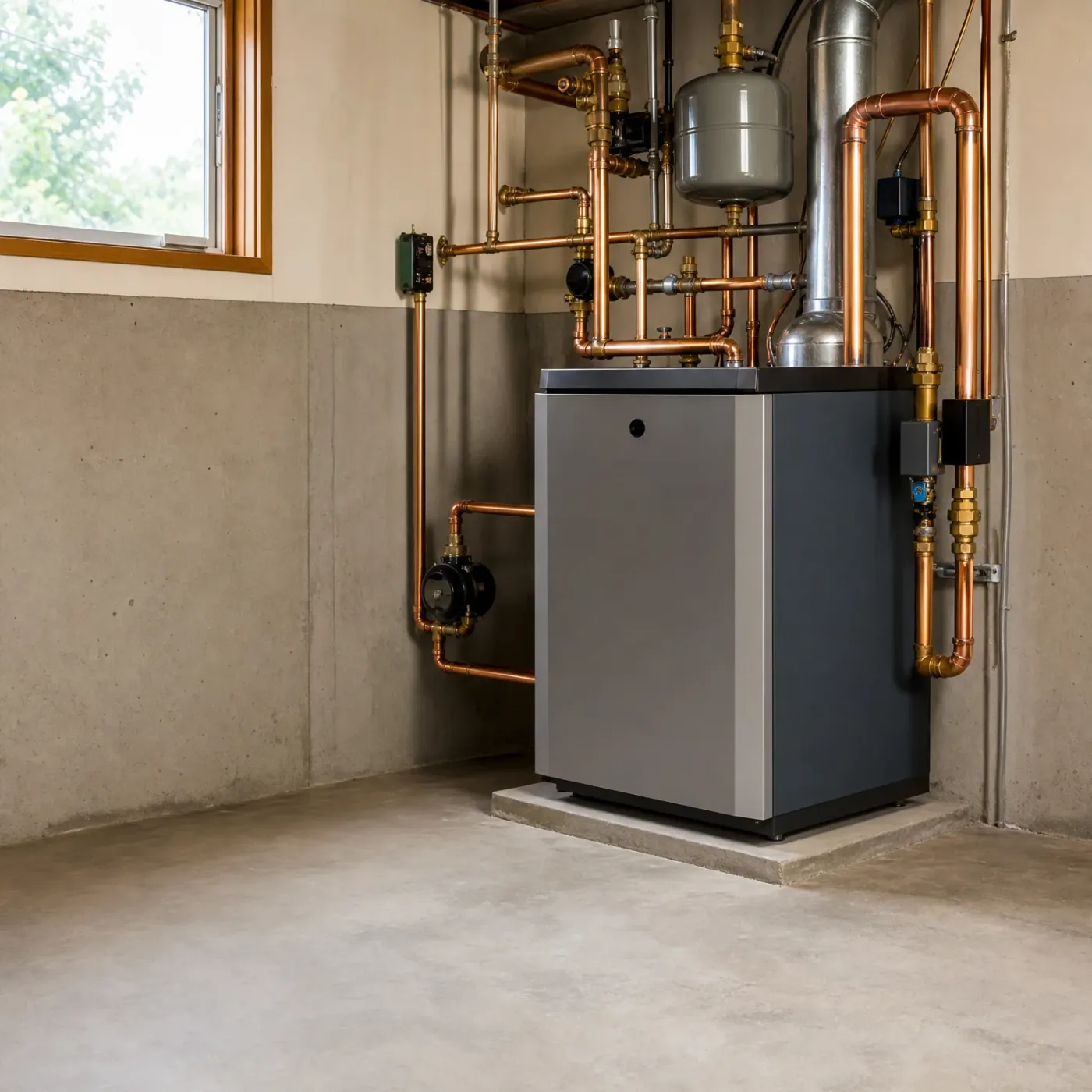
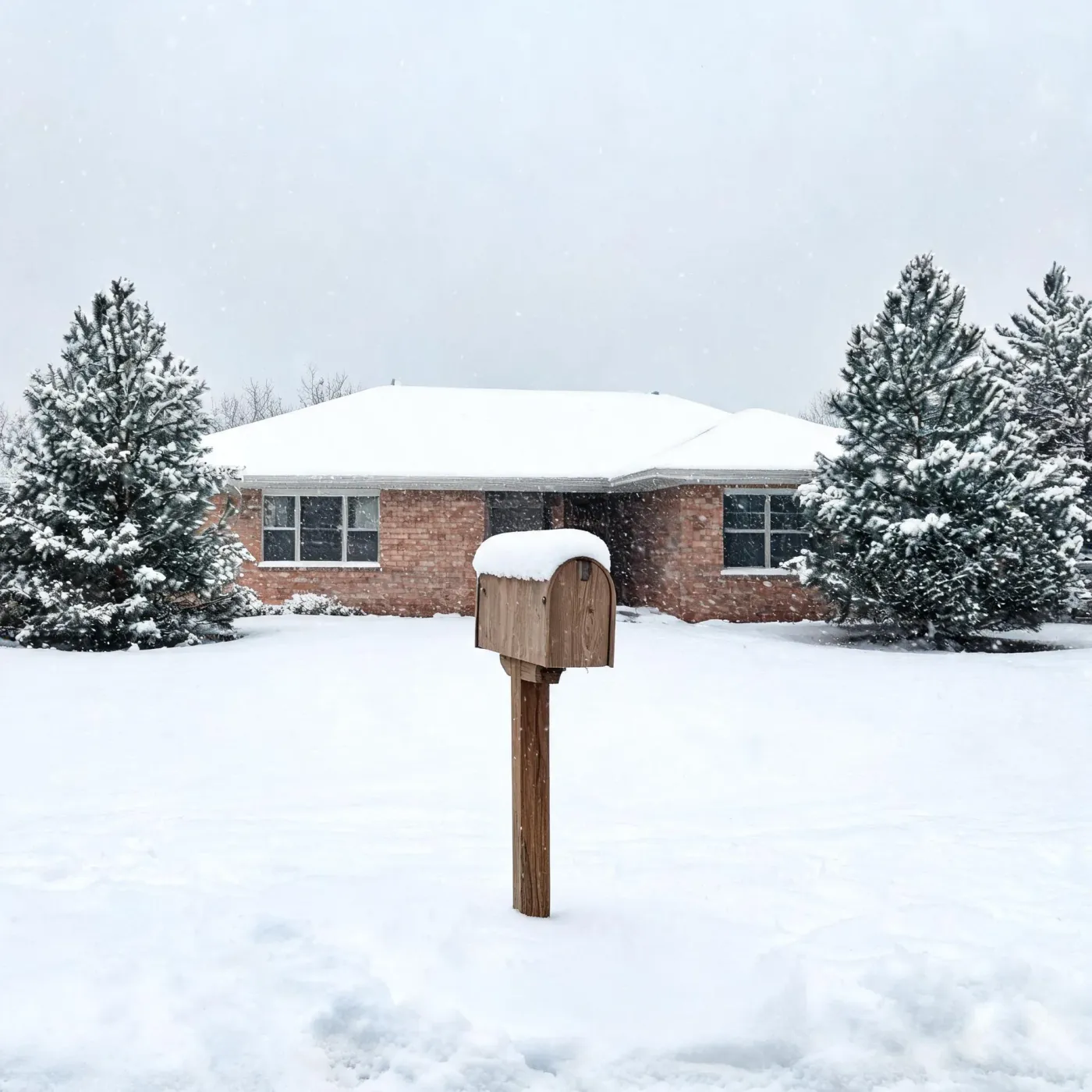
Statewide, winter nights average 19°F, according to NOAA climate data. At that temperature your boiler is running long stretches to keep up, cycling on and off through the night instead of sitting idle. That's when a weak fitting or a burner that's slightly out of tune gets found out. A system that holds pressure fine in October can start losing a pound or two overnight once it's working this hard, and you'll notice it as a radiator that's warm at the bottom and cool at the top, or a boiler room that's a little harder to keep warm than it used to be.
NOAA nClimDiv 1991-2020 county normals weighted by homes
Listen to it the next time it fires. A bang or a knock from the pipes as it heats up. A room that used to warm in twenty minutes now taking twice that. A boiler that shuts off and relights over and over instead of running a steady cycle. Maybe you've topped off the pressure twice this month and it keeps dropping. Maybe there's a faint gas smell near the unit, or the pilot or burner flame looks yellow instead of blue. Any one of these is small on its own. Together, or ignored through a Michigan winter, they tend to end with a breakdown on the coldest night and a house with no heat until someone can get out to fix it.

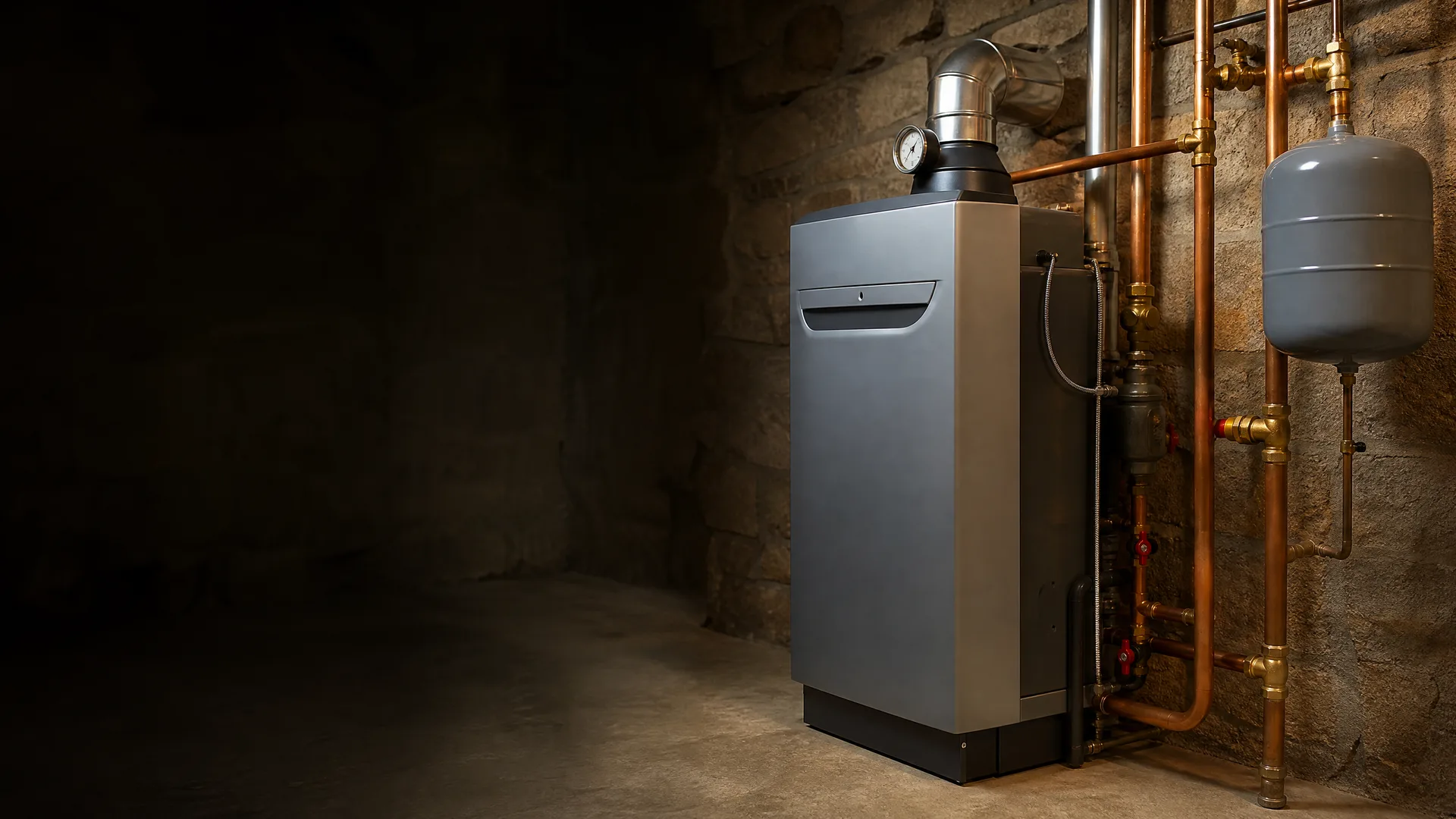
This is a boiler that's been looked at. Pressure holds steady, the pumps run quiet, and the fittings along that copper show no sign of strain. Whatever's asked of it on a cold night, it has what it needs to answer.
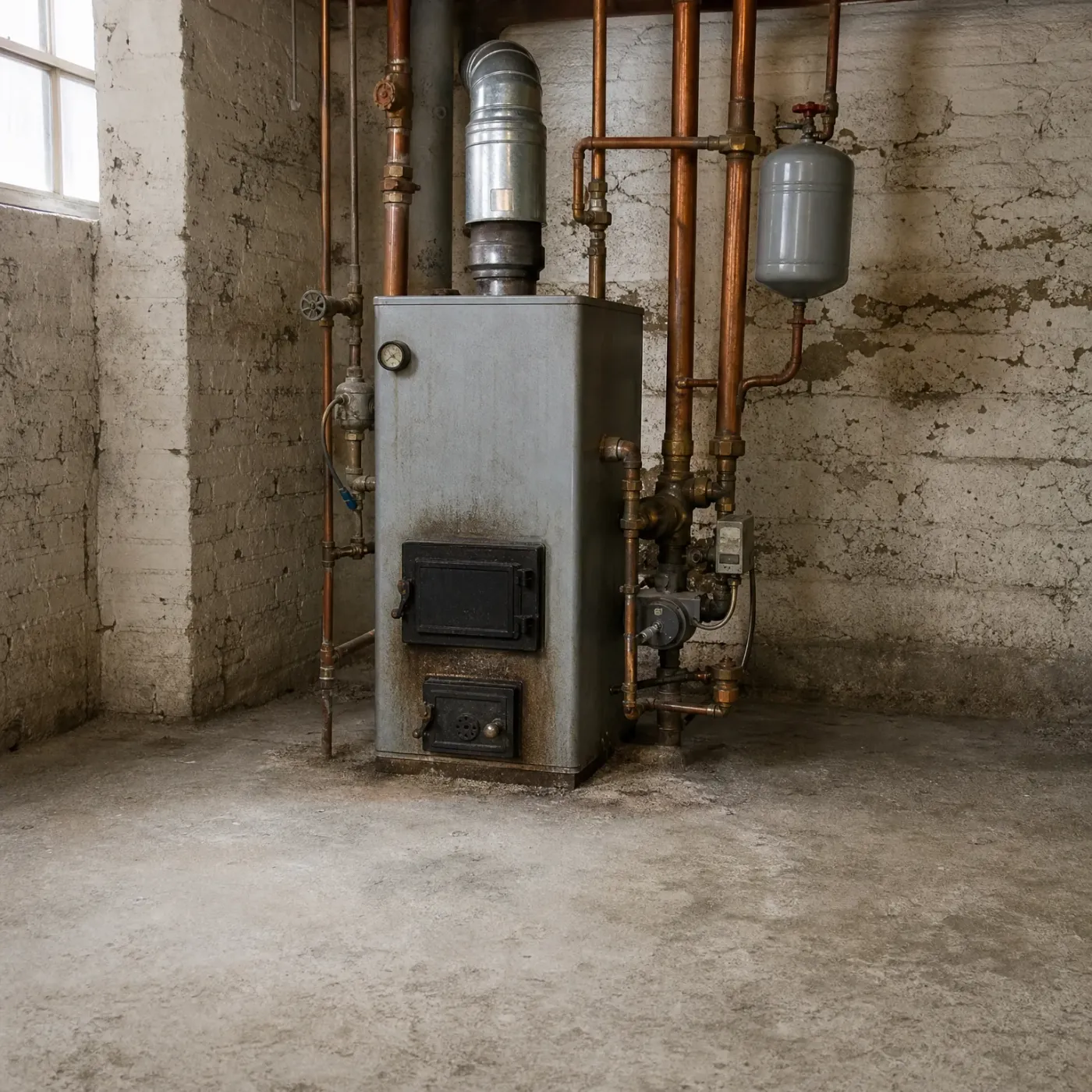
This one hasn't had a visit in a while. The cast iron and the fittings around it have taken on wear a tune-up would have caught early. Nothing here looks like an emergency yet, which is exactly how it gets to be one.
A night at 19°F isn't a cold snap, it's a normal Tuesday here. That means long runtimes before dawn while the boiler holds the house steady, hour after hour. A weak joint or a burner that's drifted out of tune has no quiet stretch to hide in.
NOAA nClimDiv 1991-2020 county normals weighted by homes
A tune-up before winter is one visit that covers the burner, the pressure, the venting, and the safety controls, the same things that cause most breakdowns once it gets cold. Whatever is found in October still has time to get fixed on an ordinary weekday. A weak fitting gets tightened. A burner burning yellow instead of blue gets cleaned or adjusted. Nothing gets left to fail on its own schedule.
The contractor who takes the request is local and licensed, and works on boilers all winter in homes like yours. That's someone who has seen which part tends to go first on a system that's been running for years, and what a slightly low pressure reading usually means before it becomes a bigger problem. You send one request and hear from one contractor, not a handful of companies calling to compete for the job.
None of this changes what your boiler is doing right now. If it's holding steady pressure and running quiet, a tune-up is what keeps it that way through the coldest nights. If it's already knocking in the pipes or taking longer to heat a room, that's the system telling you something before January does it with no heat at all. Either way, the earlier it gets looked at, the more choices you have, and the fewer of them get made for you by a cold snap.
One request and it's handed off