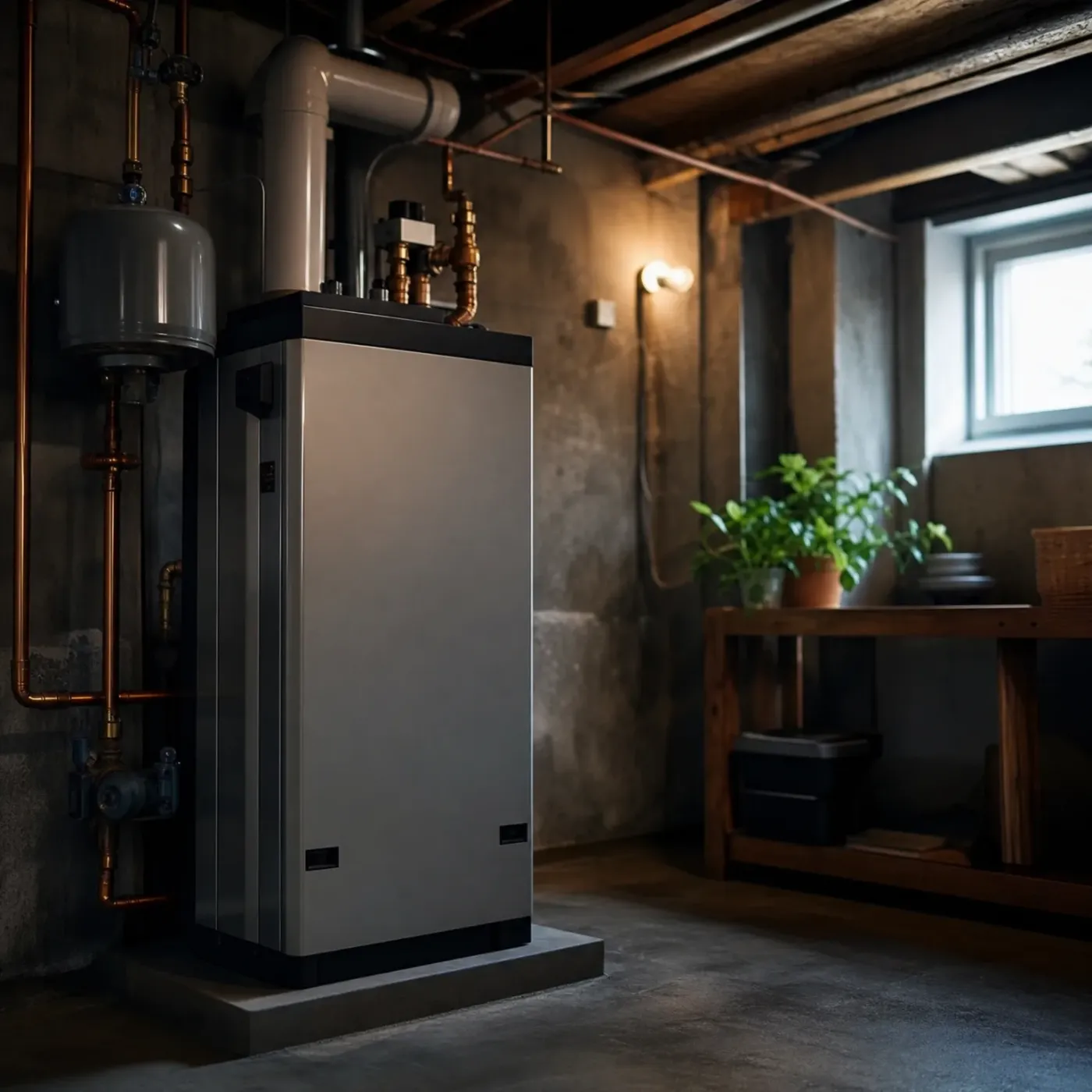
A local pro for your boiler installation
What size boiler a Michigan home needs
Boiler size comes down to how much heat your house loses on the coldest day, not its square footage alone. Insulation, windows, and how your rooms are laid out all factor in, which is why two homes the same size can need different boilers. A contractor who installs these in Michigan winters can walk through your house and work out the right size for it.
Get my matchThere's no single boiler size for a Michigan home, because the right size depends on a heat loss calculation, not the square footage printed on your listing sheet. A contractor measures how fast your house loses heat on the coldest night of the year, using your wall and attic insulation, your window count, and your ceiling height, then sizes the boiler to match that number. Michigan winters push that calculation harder than most states, so a boiler sized off a rule of thumb or a chart from a warmer climate will come up short. Oversizing causes its own problems too. A boiler too big for your house short cycles, turning on and off more than it should, which wears out parts faster and leaves rooms unevenly heated. The only way to get the right answer is a room by room load calculation done on your actual house, not an estimate based on your neighbor's.
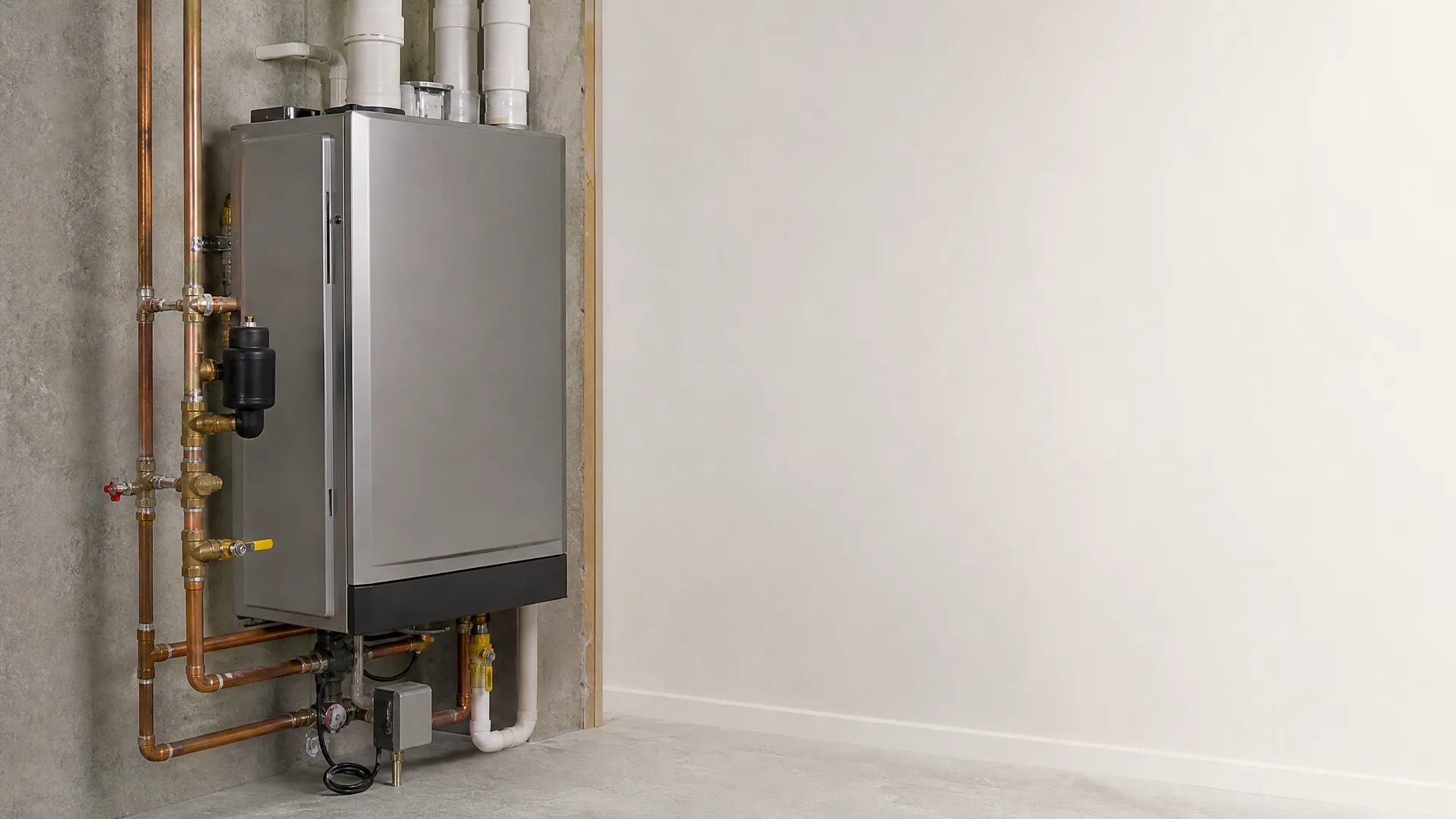
Oversizing has its own cost
A boiler that's too big for your house heats up, satisfies the thermostat fast, and shuts off again. Gas boilers run most efficiently on long, steady cycles, not short bursts. Short cycling wears on the ignition system and the circulator pump sooner than it should, and it burns more gas to deliver the same warmth. A correctly sized boiler runs longer at a lower fire, which is what keeps a Michigan gas bill in check from November through March.
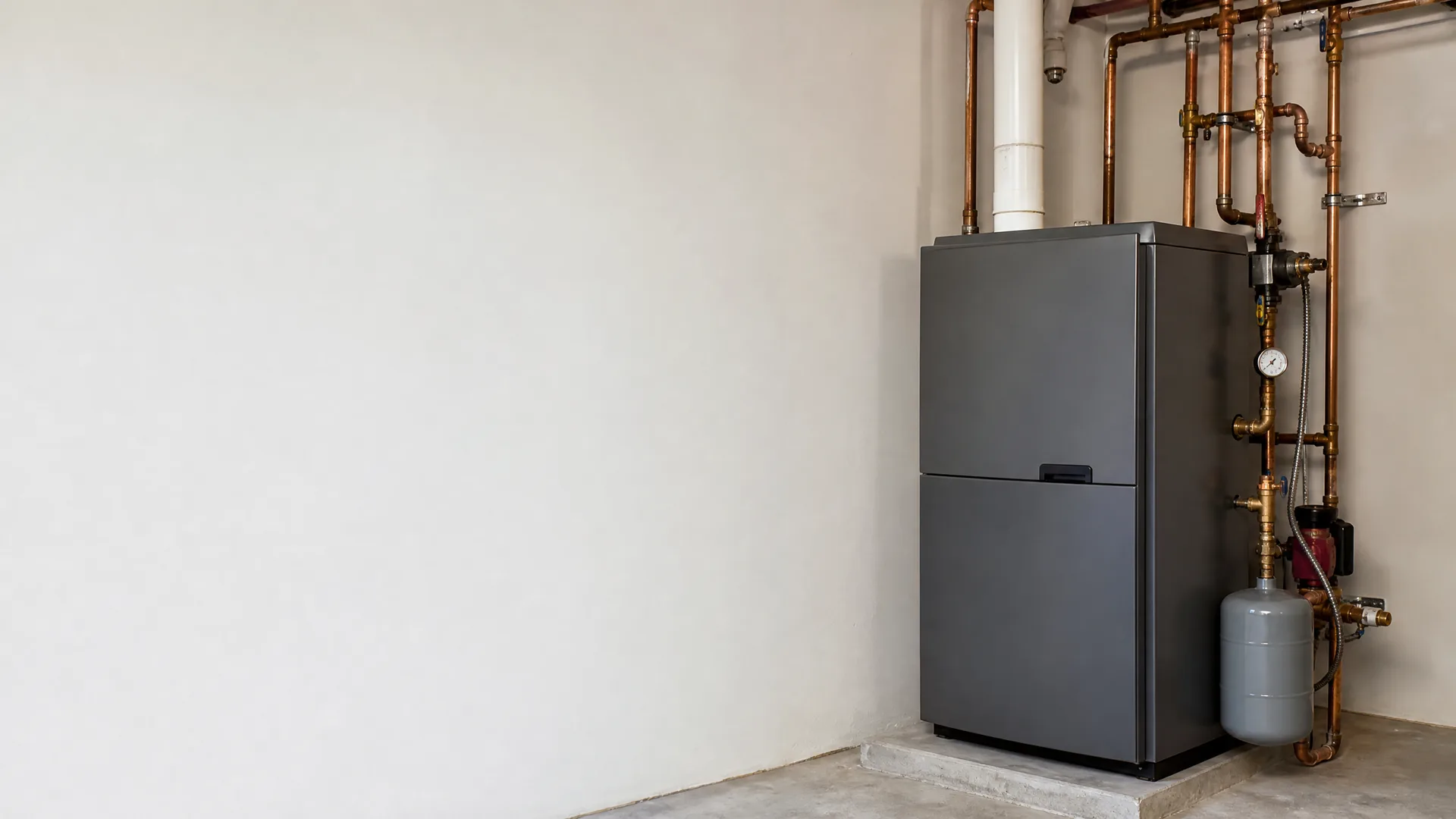
The calculation accounts for your walls
A Manual J heat loss calculation looks at your square footage, but also your window count and type, your insulation levels, your ceiling height, and how many exterior walls each room has. A ranch with an unfinished basement loses heat differently than a two-story colonial of the same size. That's why the contractor doing your load calculation walks the house room by room instead of pulling a number off a chart based on square feet alone.
Undersized vs Oversized Boiler
Undersized
- A boiler too small for your house runs flat out on the coldest nights and still can't bring every room up to temperature.
- It never really shuts off when it's below freezing outside, which means the burner sees constant wear instead of regular cycling.
- Rooms farthest from the boiler, or upstairs bedrooms, are usually the first to feel it when demand outpaces output.
- Your gas use climbs because the unit has to run longer to make up for what it can't deliver per cycle.
- With power this expensive in Michigan, people sometimes lean on space heaters to cover the gap, which adds to the electric bill instead.
Oversized
- A boiler too big for your house satisfies the thermostat quickly, then shuts off, then fires again a short while later.
- Those short cycles are harder on the ignition system and the heat exchanger than the long, steady runs a correctly sized boiler gets.
- It costs more to install than a properly sized unit, since a bigger boiler and its venting carry a higher price upfront.
- Rooms can heat unevenly, with the space near the thermostat comfortable while others lag, because the burst of heat doesn't have time to spread.
- Efficiency drops below what the rating on the unit promises, since that number assumes the longer run times a right-sized boiler actually gets.




Get the right pro for your boiler
A Lansing bungalow and a Traverse City farmhouse built the same square footage can need two different boilers, and a contractor only gets that number right by walking your rooms and checking your windows, not by guessing off a listing sheet. In Michigan, with gas prices and electric rates both pushing bills higher, a boiler sized wrong costs you twice: once in the short cycling that wears out an undersized or oversized unit early, and again every month on gas it burns without heating your house evenly. The contractor who sizes this right is the one who's done it on homes like yours around Michigan before, through winters that actually get below zero, and knows which rooms in an older house tend to run cold no matter what the thermostat says. That's the kind of local, hands-on read a square footage chart can't give you. Getting your home matched with someone who does this work regularly, rather than piecing it together yourself, is what turns a guess into a boiler that's actually right for your house.
A boiler sized wrong doesn't just run worse, it runs that way every day from December through March, in a house where a gas furnace isn't picking up the slack.
Undersized, your rooms farthest from the boiler stay cold on the coldest nights. Oversized, you're paying gas bills for a boiler that short cycles instead of one sized to your house.


An existing boiler as a starting point
If your boiler is original to the house, its size was somebody's guess too, and not always a good one. A contractor replacing it can look at how it actually performed. Did it keep the upstairs bedrooms warm in January, or did you end up running space heaters. Did it short cycle on milder days, clicking on and off every few minutes. That history tells a contractor more than the old unit's rating plate does, because it shows how the first sizing held up against your actual walls and windows, not someone's estimate of them before the house was lived in.
A new boiler with no history to read
New construction or a switch from a different heat source gives a contractor nothing to go on but the house itself. No past winters to ask about, no complaints to trace back to a cold room or a noisy burner. The heat loss calculation has to carry the whole job, room by room, window by window. This is where a contractor who works Michigan winters regularly earns their keep, because they've seen what a given wall type and window count actually do on a ten-below night here, not just what a formula predicts on paper.
Winter nights average 19°F statewide
At 19 below freezing, your boiler can't afford to cycle on guesswork. That's the temperature it has to hold against on a January night, and the sizing has to be built around nights that cold, not an average one.
NOAA nClimDiv 1991-2020 county normals weighted by homes
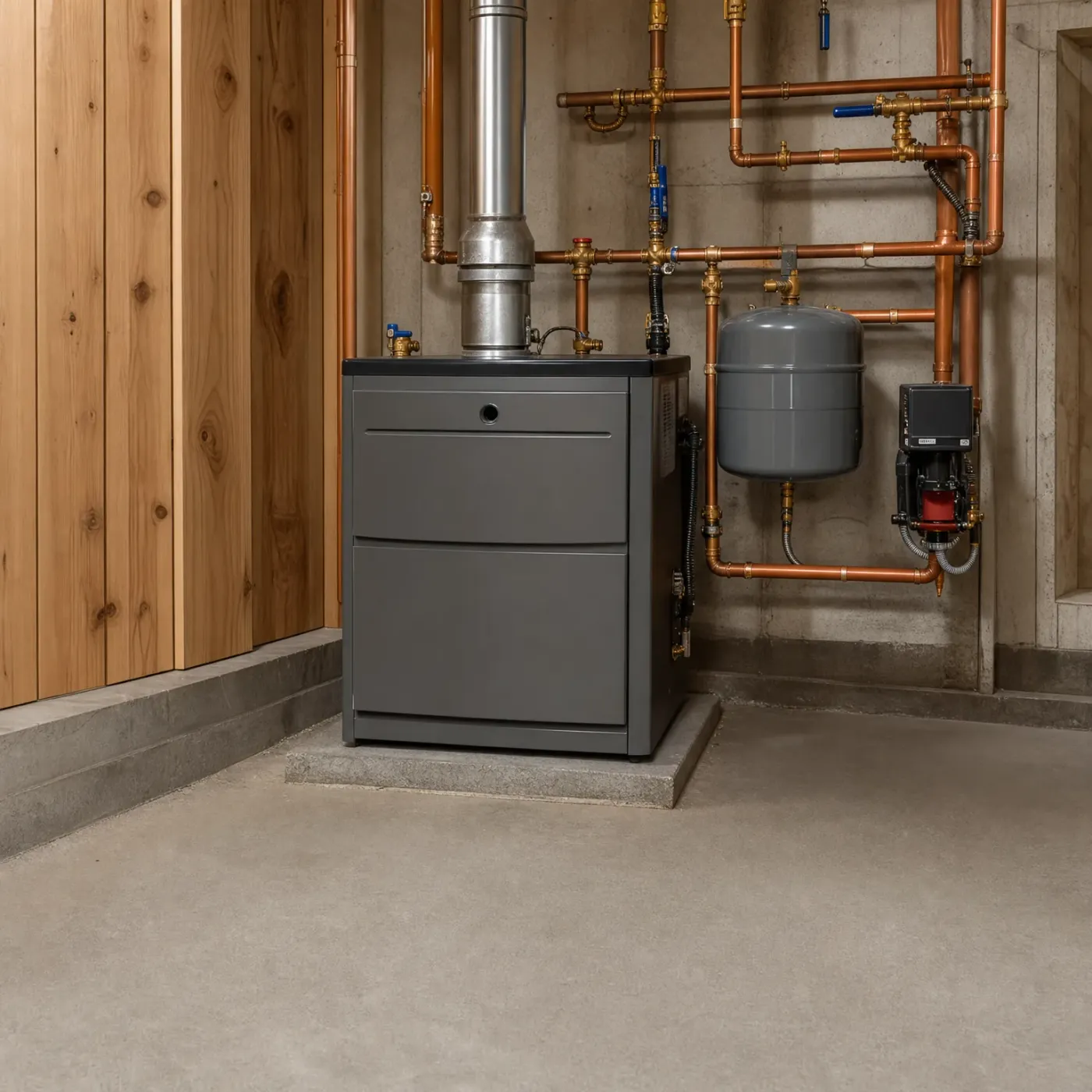
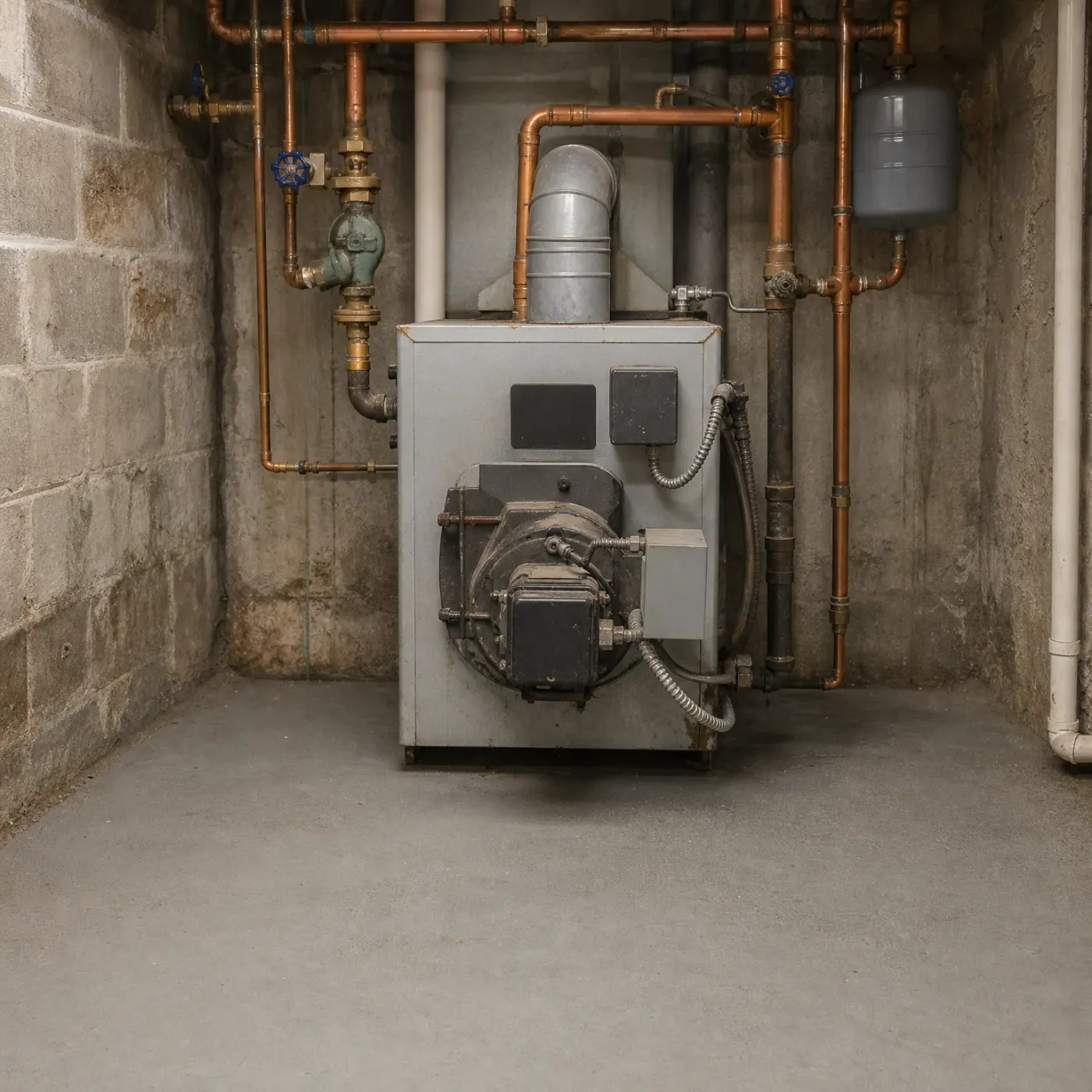
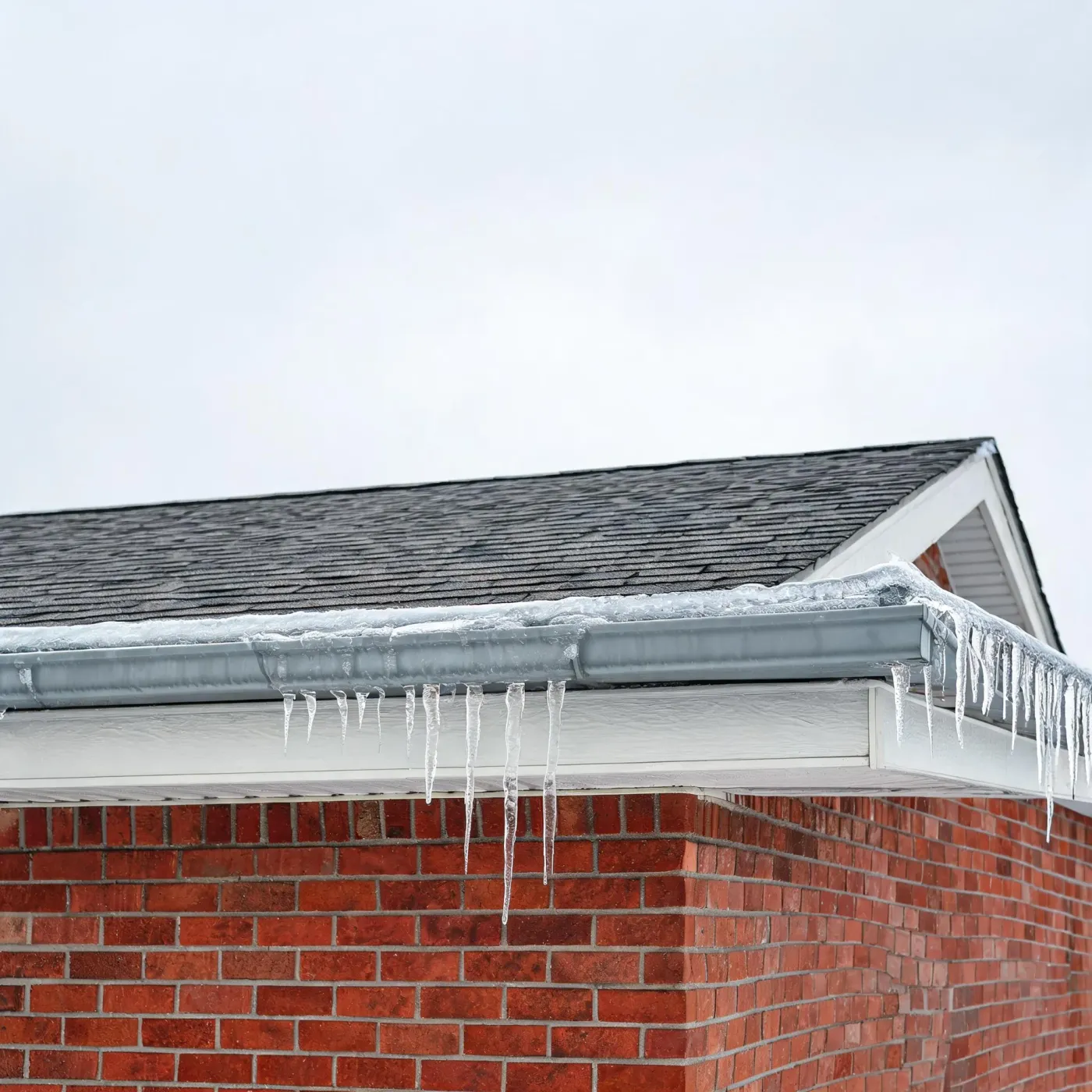
Winter nights average 19°F across Michigan, according to NOAA climate data. A boiler sized for that number has to hold a steady output for hours at a stretch, not just satisfy a thermostat on a mild afternoon. That's the load a contractor is sizing against when they run a heat loss calculation on your house, because the coldest nights are when a wrong-sized boiler shows itself. Undersized, you'll notice it as rooms that never quite get warm no matter how long the burner runs. Sized right, the boiler holds its temperature through the cold without the burner working harder than it has to.
NOAA nClimDiv 1991-2020 county normals weighted by homes
The right size comes from your house, not a chart
A boiler sized for your rooms, your windows, and the cold your house actually sees holds a steady cycle all winter instead of fighting itself. That's the whole answer. Getting there means someone walking through your house with a heat loss calculation, not a guess off the square footage.
That's work for a contractor who installs boilers in Michigan homes regularly and has seen what a Lansing bungalow needs against what a Traverse City farmhouse needs, even at the same square footage. When you request a match, you're connected with one licensed local contractor suited to your situation, not a handful of companies competing for your number. They'll look at your current setup, ask how it's performed, and size the replacement around your house instead of the one that happened to be there before.
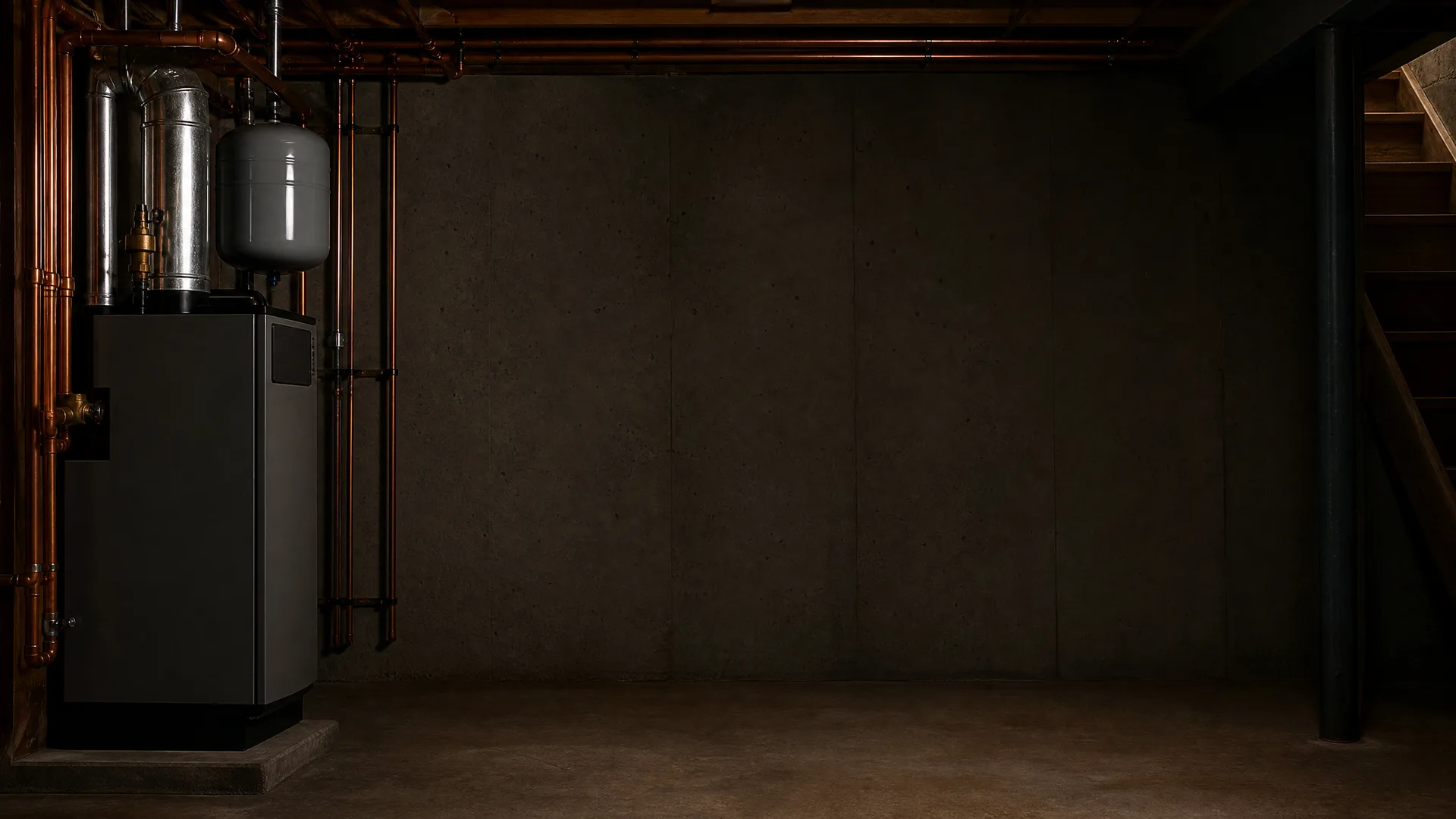
A pro who works on boilers
The pro who reaches out is licensed in Michigan.