 Hand off the search
What your boiler pressure should be in Michigan
Send the form and the boiler tune-up stops being something to remember.
Most boilers want to sit between 12 and 15 psi cold, and that number matters more in January than it does right now. A boiler that's low on pressure won't push hot water through all your radiators, and one that's high can trip the relief valve and start dripping near the floor. Either way, you notice it on the gauge before you notice it in the house.
If your pressure keeps dropping or keeps climbing, something is letting air in or water out somewhere in the system. That's not something you fix by bleeding a radiator once and hoping. It's a repeat problem until someone traces it.
Finding that person yourself usually means a string of calls, explaining the same pressure reading three or four times, then sitting on quotes trying to figure out who's actually worth having in the house. Michigan winters don't leave much room for that back and forth, especially with gas heat running hard for months and electric rates making space heaters a bad backup plan.
Send the form instead and that search becomes someone else's job. No more calling around, no more repeating the same description of a gauge that won't hold steady. A licensed contractor who does boiler maintenance gets the details you give here, and you're off the hook for tracking one down.
What's left after that is simple: someone shows up who already knows what you told them, checks the pressure, checks what's feeding it low or pushing it high, and handles it. You get your evening back instead of spending it on the phone.
What should my boiler pressure be?
You check the gauge on the front of your boiler and the needle isn't sitting where you remember it. Maybe a radiator upstairs is cold, or the pressure light came on, and you want to know the number before you decide whether to bleed a radiator, add water, or call someone.
Most boilers run between 12 and 15 psi when the system is cold
That range keeps enough water moving through the system to reach every radiator without putting strain on the relief valve. When the boiler heats up, the pressure rises a bit as the water expands, so seeing 18 or 20 psi while it's running isn't automatically wrong. What matters is where the needle sits before the burner fires. In Michigan, where the boiler works hard from October through the coldest part of winter, a system that's slowly losing pressure between fall and January can mean a radiator stays cold right when you need it most. Check the gauge cold, and write down what it reads on a normal day so you know what's changed later.
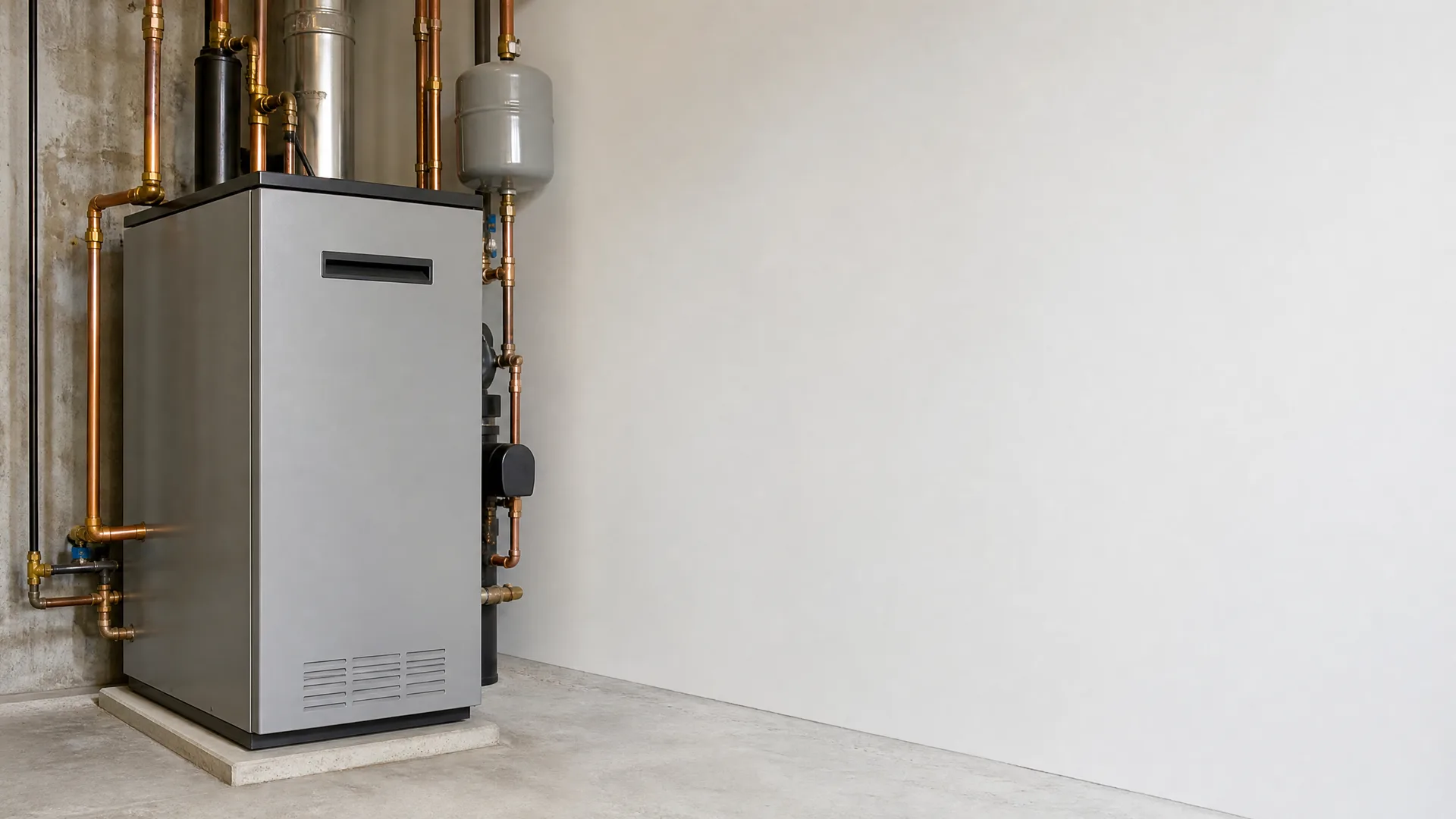
Why the gauge has two marks
Most boiler gauges show a colored band alongside the number, usually red starting around 30 psi. That band marks where the relief valve opens and dumps water out to protect the system. Climbing toward it isn't dangerous by itself, but a boiler that keeps creeping back up there has a problem worth catching before the valve wears out from opening again and again.
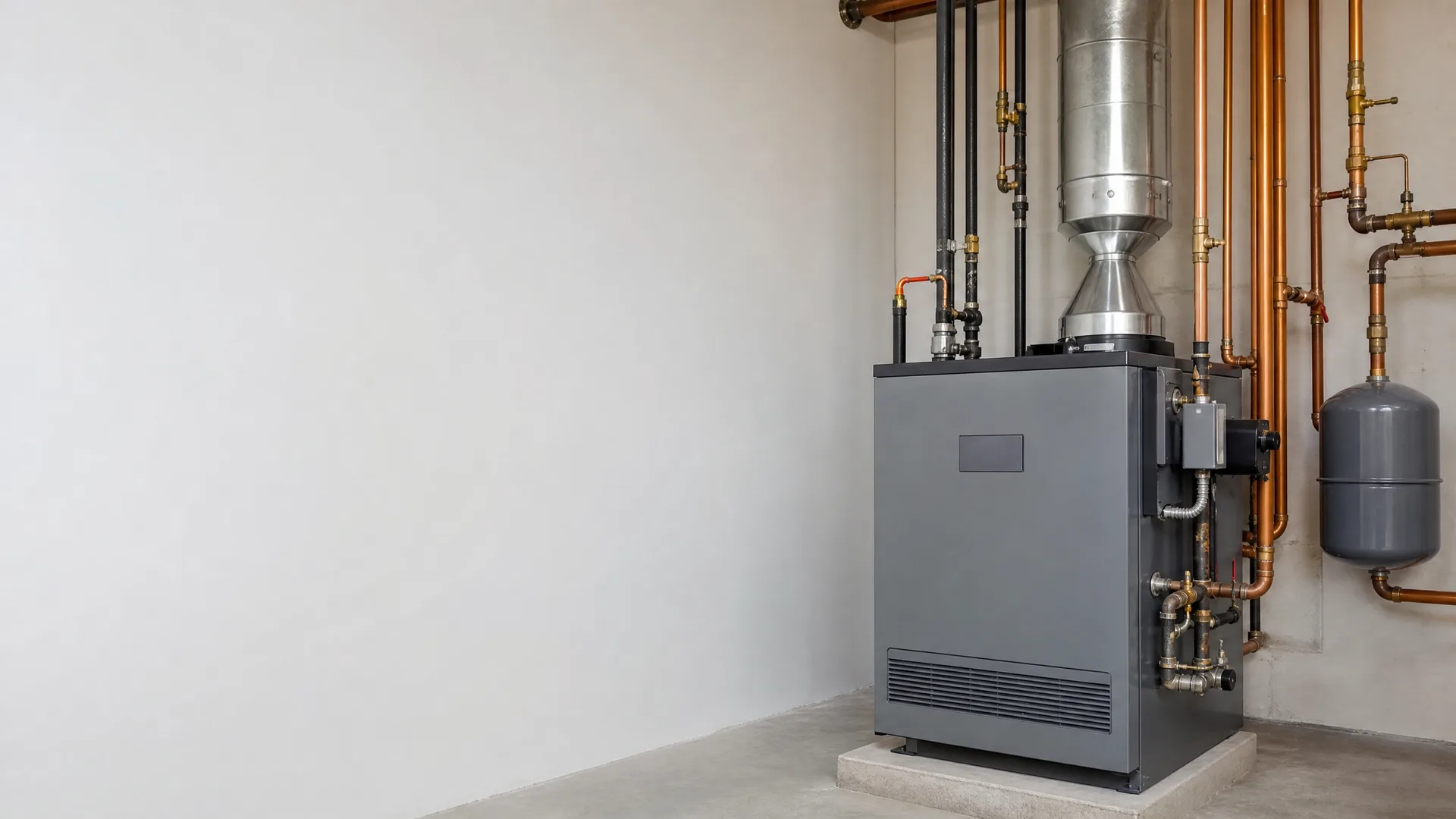
Why pressure drops over winter
A boiler loses pressure slowly through small leaks at valves and fittings, and through the automatic feed valve if one is stuck open. In a Michigan winter, with the system running for months straight, that slow loss shows up faster than it would in summer. Checking the gauge every few weeks between October and April catches a drop before a radiator goes cold on a night you need it most.
Winter nights average 19°F statewide
A 19°F night asks a lot of a boiler built to hold 12 to 15 psi. At that temperature the system has to push hot water all the way to every radiator, and low pressure means some won't get there. Check the gauge on nights this cold.
NOAA nClimDiv 1991-2020 county normals weighted by homes




Send one request and you're done looking
A boiler running low or high doesn't always show itself the way a cold radiator does. Pressure drifts slowly, from a small leak at a valve or a bleed job done last fall, and most people don't catch it until a January night makes the problem obvious. Checking the gauge tells you something's off. It doesn't tell you why the pressure is dropping every few weeks, or whether the relief valve letting water out is a symptom or the cause. That's diagnostic work, and it's worth having someone look at the whole system rather than just topping off the loop again. Finding that person yourself means searching, calling a few numbers, explaining the same gauge reading three different times, then weighing quotes against each other while the house sits at the wrong pressure. Send the request once and that work is off your plate. One contractor gets it, and you're back to waiting on an answer instead of chasing one down.
How boiler pressure actually moves
- The pressure gauge and the temperature gauge are usually the same dial, so read the number, not just the needle position.
- Filling a boiler back up means opening the loop valve near the bottom until the needle reaches 12 to 15 psi, then closing it.
- A boiler that loses pressure every few weeks usually has a slow leak at a valve, a pipe joint, or the expansion tank.
- The expansion tank gives hot water somewhere to go as it expands, and a waterlogged tank will push your pressure up on its own.
- Bleeding air from a radiator drops system pressure, which is why a cold spot upstairs often shows up as a low reading downstairs.
- Repeated refills without finding the leak wear on the same seals and valves that keep pressure steady in the first place.
The dial on the front of a boiler usually does two jobs at once, pressure on one scale and temperature on the other, so it's worth knowing which number you're reading before you act on it. If the needle sits below 12 psi, the loop valve near the bottom of the unit is how you bring it back up. Open it slowly, watch the gauge, and close it once you hit 12 to 15 psi. Overshoot and you're dealing with the opposite problem.
Pressure that holds steady for months and then drops suddenly points somewhere different than pressure that creeps down every few weeks. A sudden drop after bleeding a radiator is normal, since letting air out of the system lets pressure out with it, and a cold spot upstairs can end up looking like a low reading on the gauge downstairs. A slow, repeated drop is usually a leak, at a valve, a pipe joint, or the expansion tank itself.
The expansion tank matters more than most people think about it. It gives the hot water somewhere to go as it heats up and expands, and if that tank waterlogs, it stops absorbing that expansion and pushes your system pressure up on its own, with no leak anywhere.
Refilling the loop without finding why it keeps dropping isn't free. The same valves and seals that hold pressure steady take the wear every time you open that loop valve again.
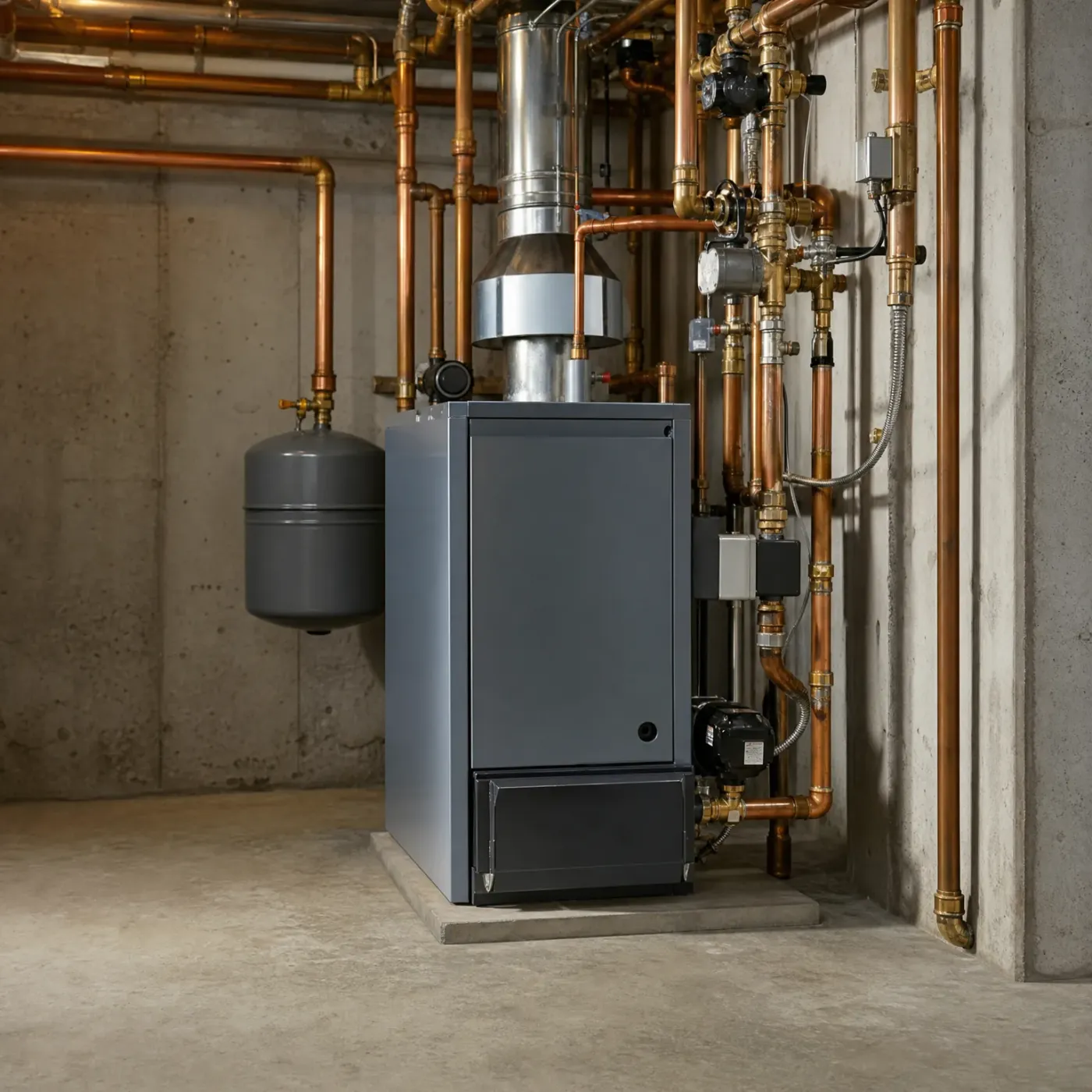
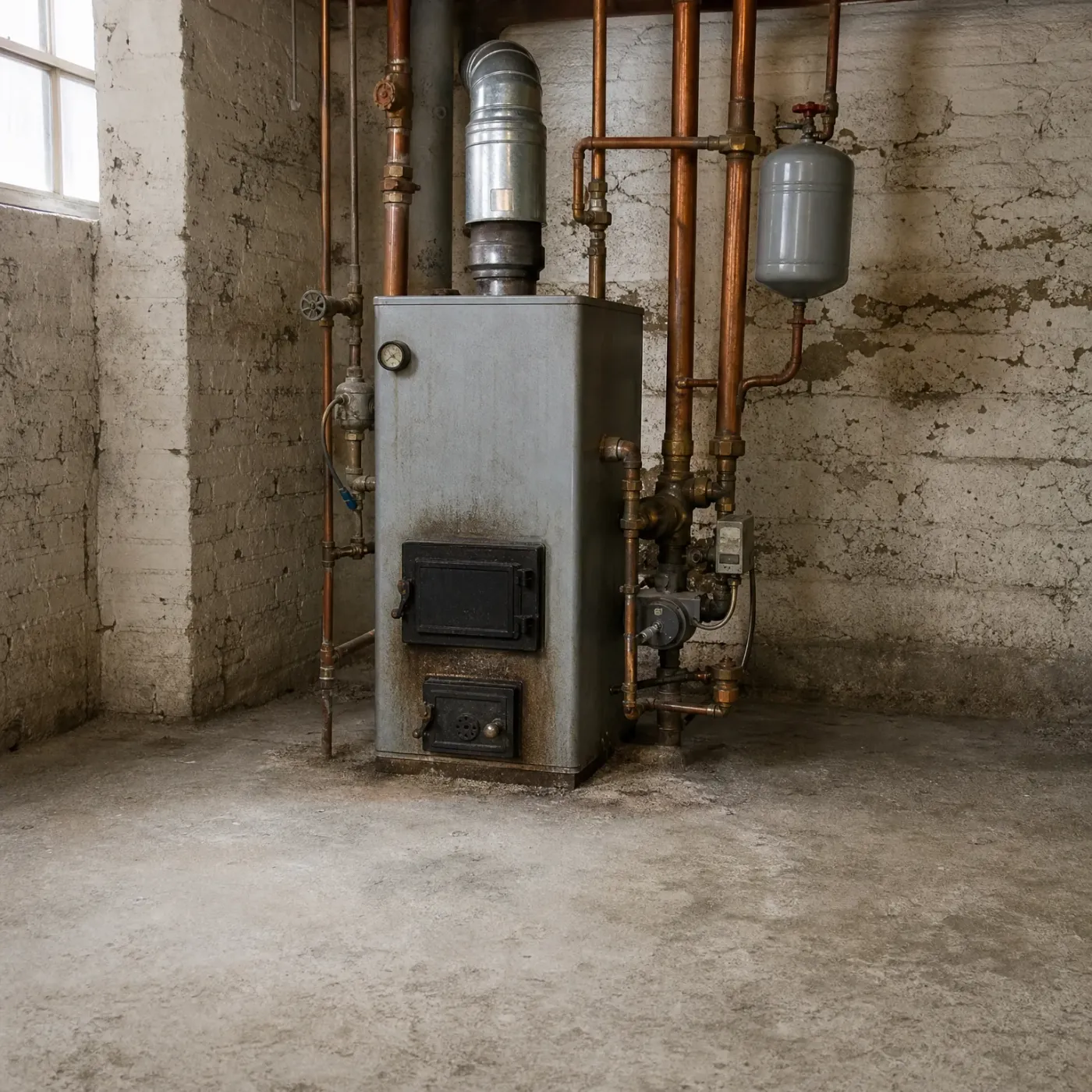
Keep your boiler between 12 and 15 psi cold, and check it before the next hard freeze, not after a radiator goes cold. That number doesn't change because you live in Michigan, but how often you need to look at it does. A system that holds pressure fine in July can drift low by the time a 19°F night asks it to push water to every radiator in the house. If the needle sits where it should, nothing here applies to you tonight. If it doesn't, you already know what filling the loop valve involves and what the red band on the gauge means. Catching a slow drift now, before it becomes a cold upstairs bedroom in the middle of winter, is the whole point of a maintenance visit. A boiler that gets looked at regularly tends to hold its pressure and its heat. One that doesn't eventually tells you, usually on the coldest night it can find.


Boiler Maintenance
Finding a pro stops being your job
Skip calling around to set up a boiler tune-up.