

Quiet, even heat
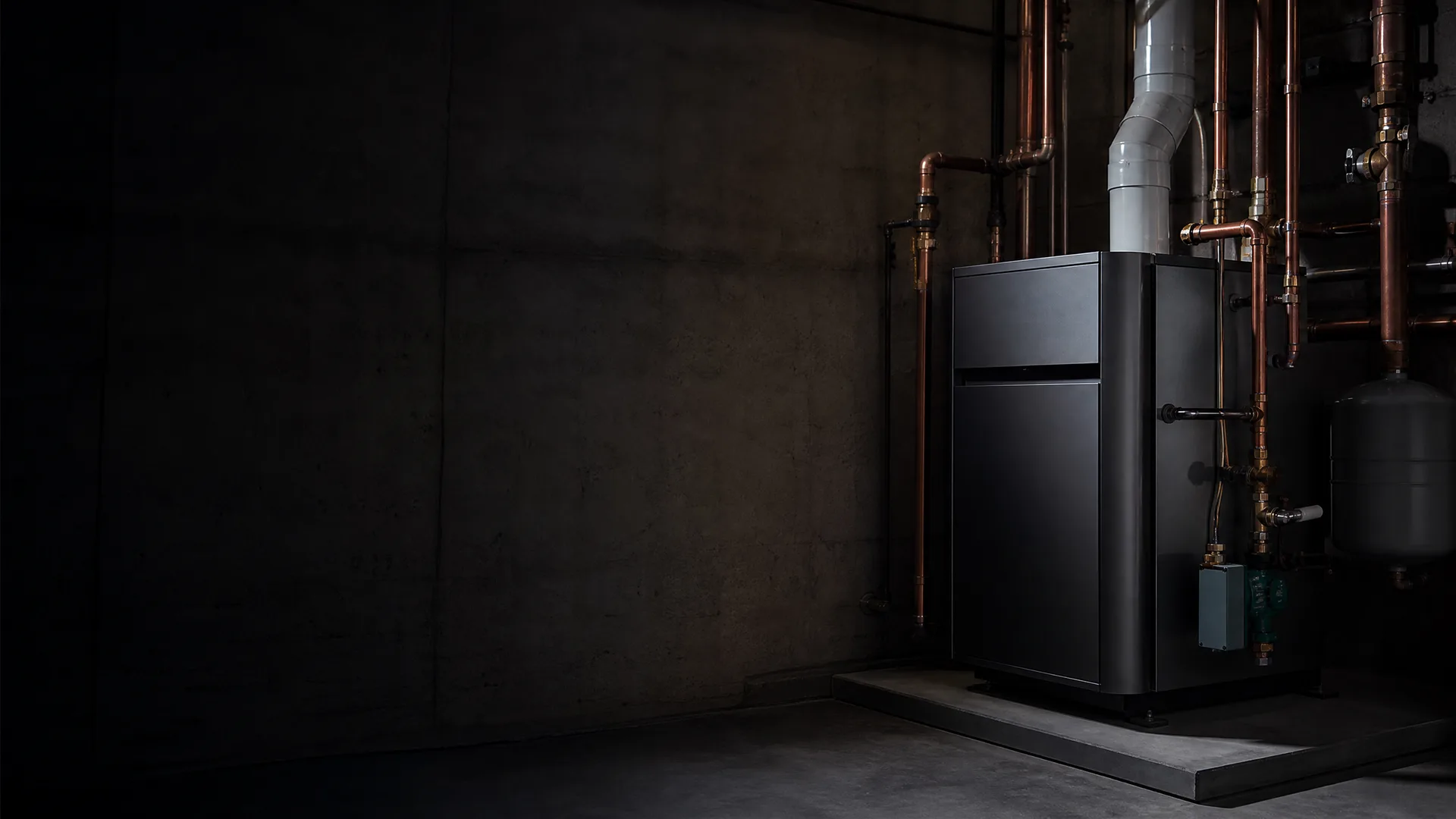
A boiler running clean circulates water through the pipes and radiators without a sound beyond the pump itself. The exchanger stays clear, so heat moves into the water instead of getting trapped against metal and turning to steam.
Tell a local repair pro what your boiler is doing.
Get a boiler proThat rumbling, popping sound from your boiler is kettling, and it means scale or sludge has built up on the heat exchanger. Water trapped in that buildup overheats and flashes to steam before it can mix with the rest of the water in the system, and the popping is literally small steam pockets collapsing. Michigan's water running through the same boiler for years without a flush is the usual path to this. The longer it runs this way, the more it stresses the heat exchanger, and a cracked one is a far more expensive fix than the buildup that caused it. With gas heating the house and winters here demanding a lot from that boiler, a kettling unit left alone is a bigger risk here than somewhere it only runs a few weeks a year. It is not dangerous in the next five minutes, but it is not something to let ride through the season either. A tech can flush the system and check the exchanger before the noise turns into a bigger repair.
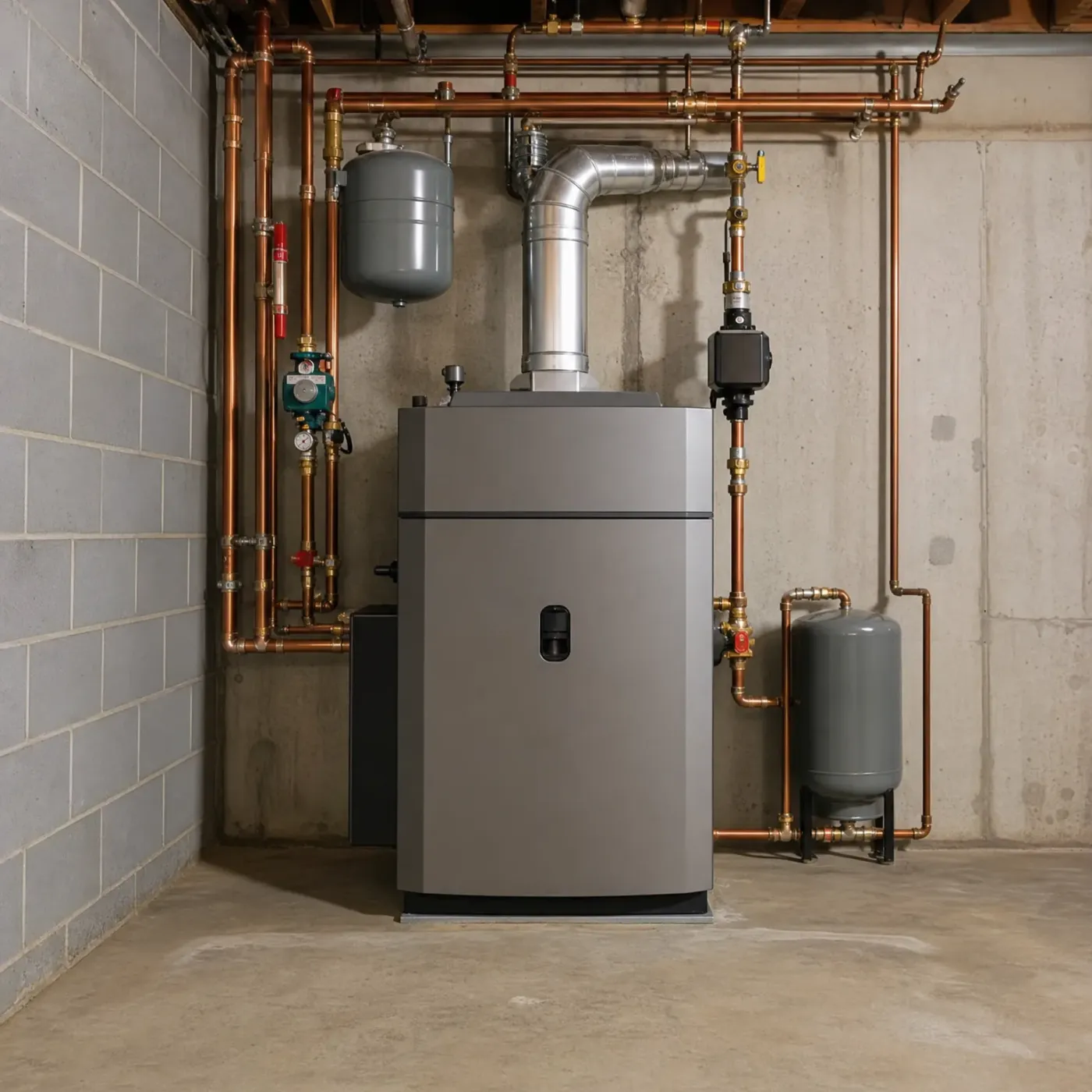
A boiler running clean circulates water through the pipes and radiators without a sound beyond the pump itself. The exchanger stays clear, so heat moves into the water instead of getting trapped against metal and turning to steam.
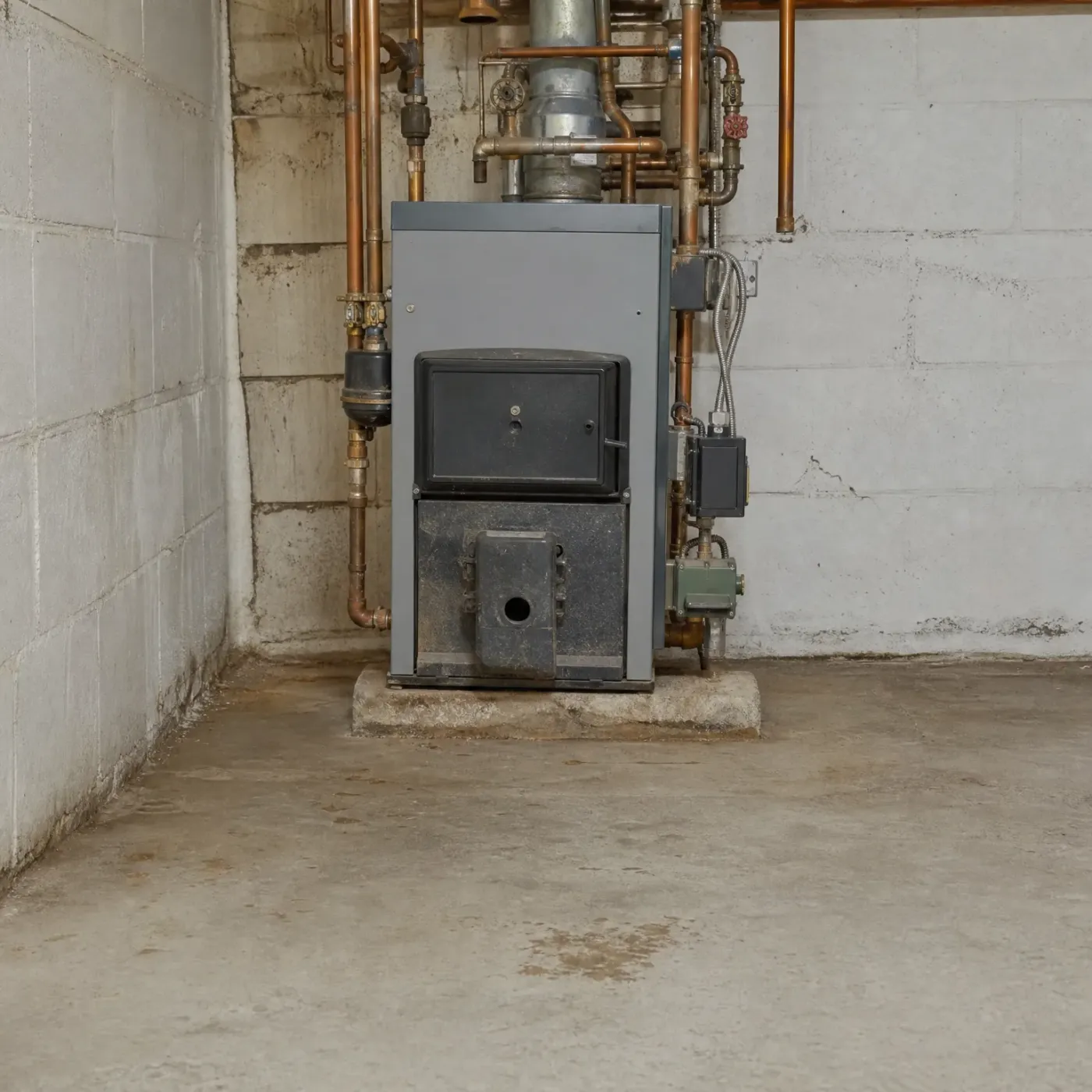
Years of hard water leave minerals behind on the exchanger walls. Once that layer is thick enough, water sitting against it boils before it can circulate, and you hear the popping that gives kettling its name.




Every boiler heats the same water over and over for years, and Michigan's hard water leaves mineral scale behind on the heat exchanger each time. That layer builds slowly, so a boiler can kettle for a while before anyone notices the sound getting worse. Scale works like insulation. It sits between the burner's heat and the water, so the burner has to run longer to get the same warmth through. The water closest to that scale layer takes the brunt of it. It heats up faster than it can move away into the rest of the system, and once it's trapped against the hot metal it turns to steam. Those steam pockets collapse against the exchanger wall, and that collapsing is the knocking and popping you're hearing. Older iron piping or a system that's gone a long time without a flush builds up sludge in the same low spots, and it causes the same trapped heat and the same noise. None of this fixes itself. The scale only keeps building, and the metal underneath keeps taking the stress of that trapped steam until something gives.
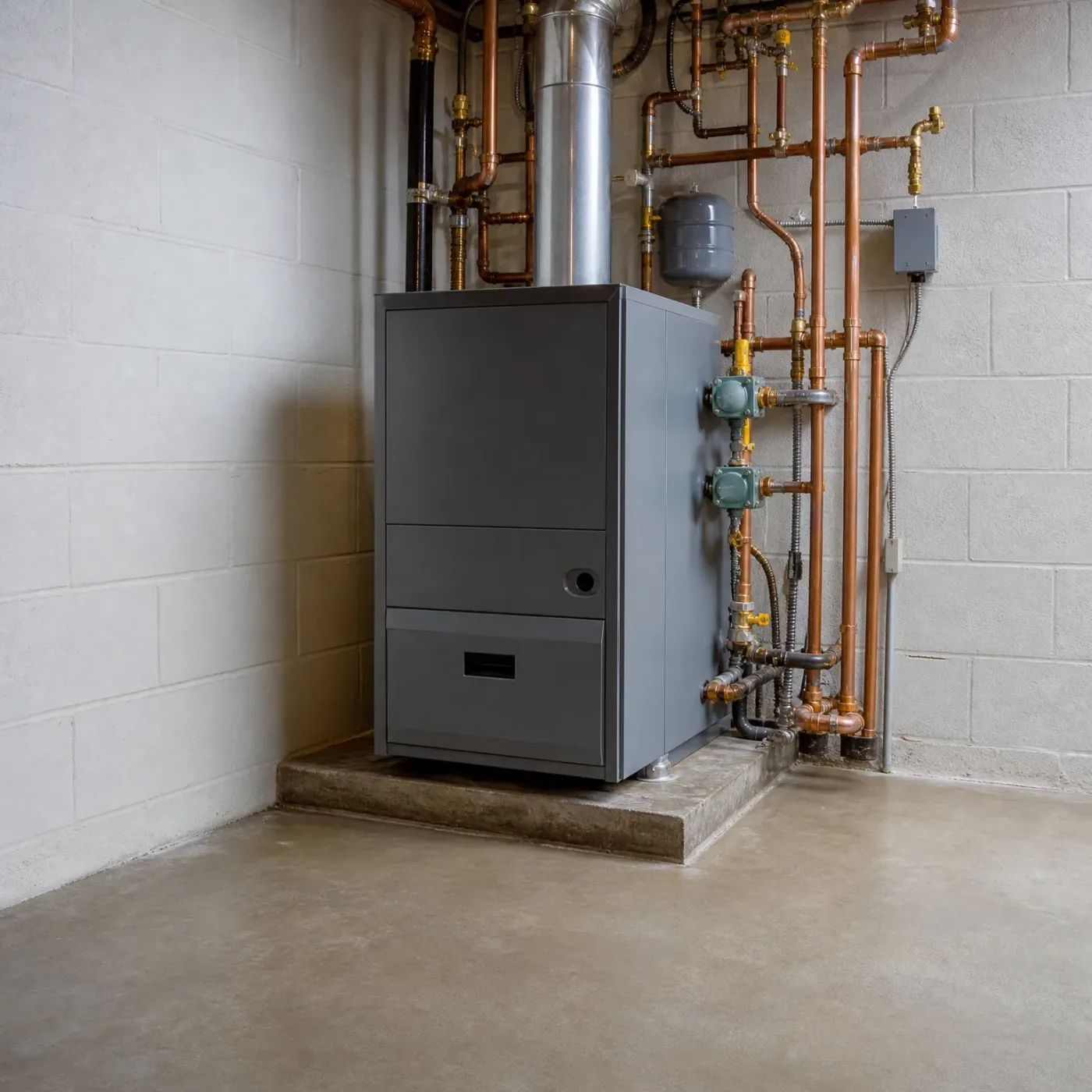
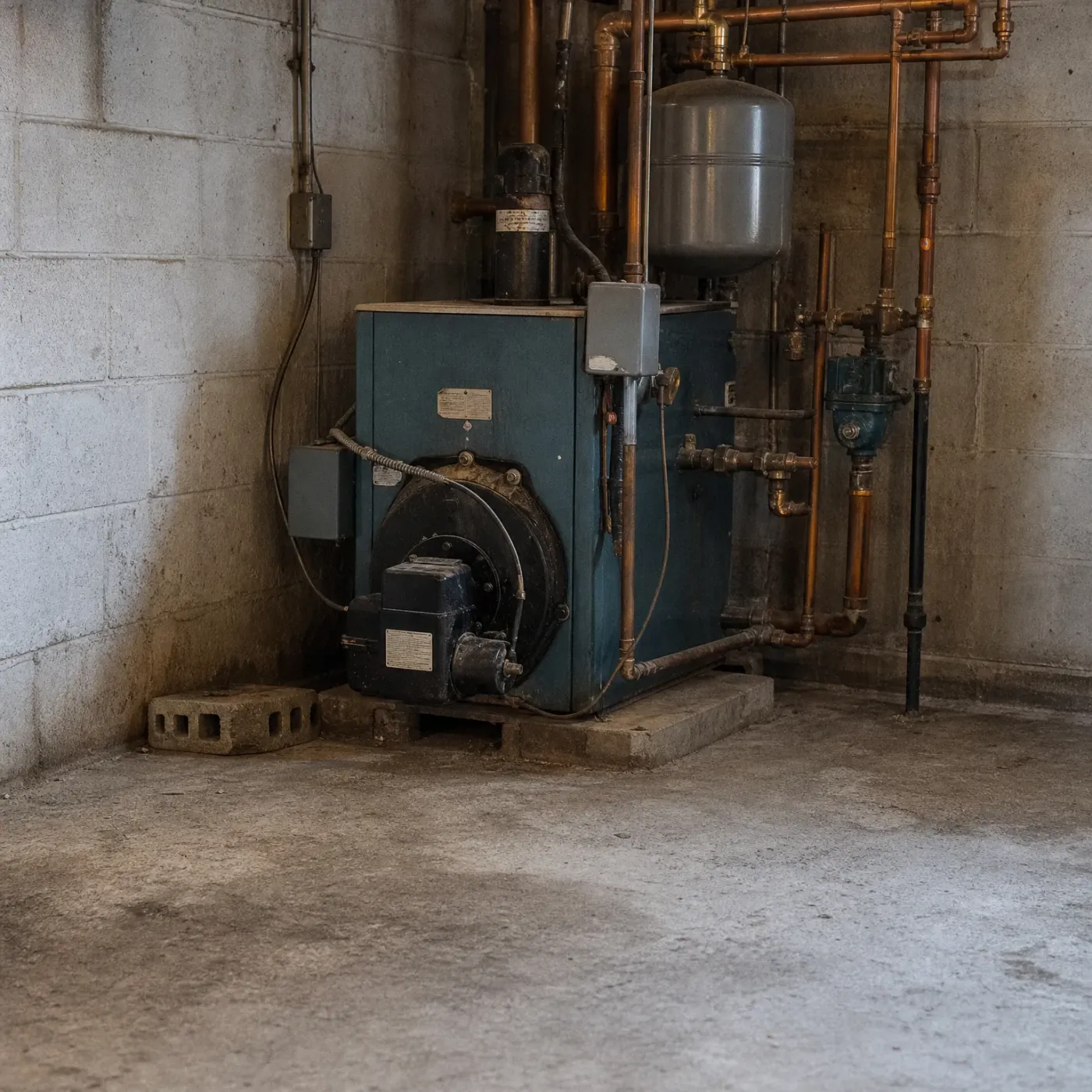
Minerals in the water settle out and coat the heat exchanger wall.
The scale layer traps heat against the metal instead of the water.
Water caught under that layer gets hotter than the water around it.
That trapped water flashes to steam and collapses as it hits cooler water.
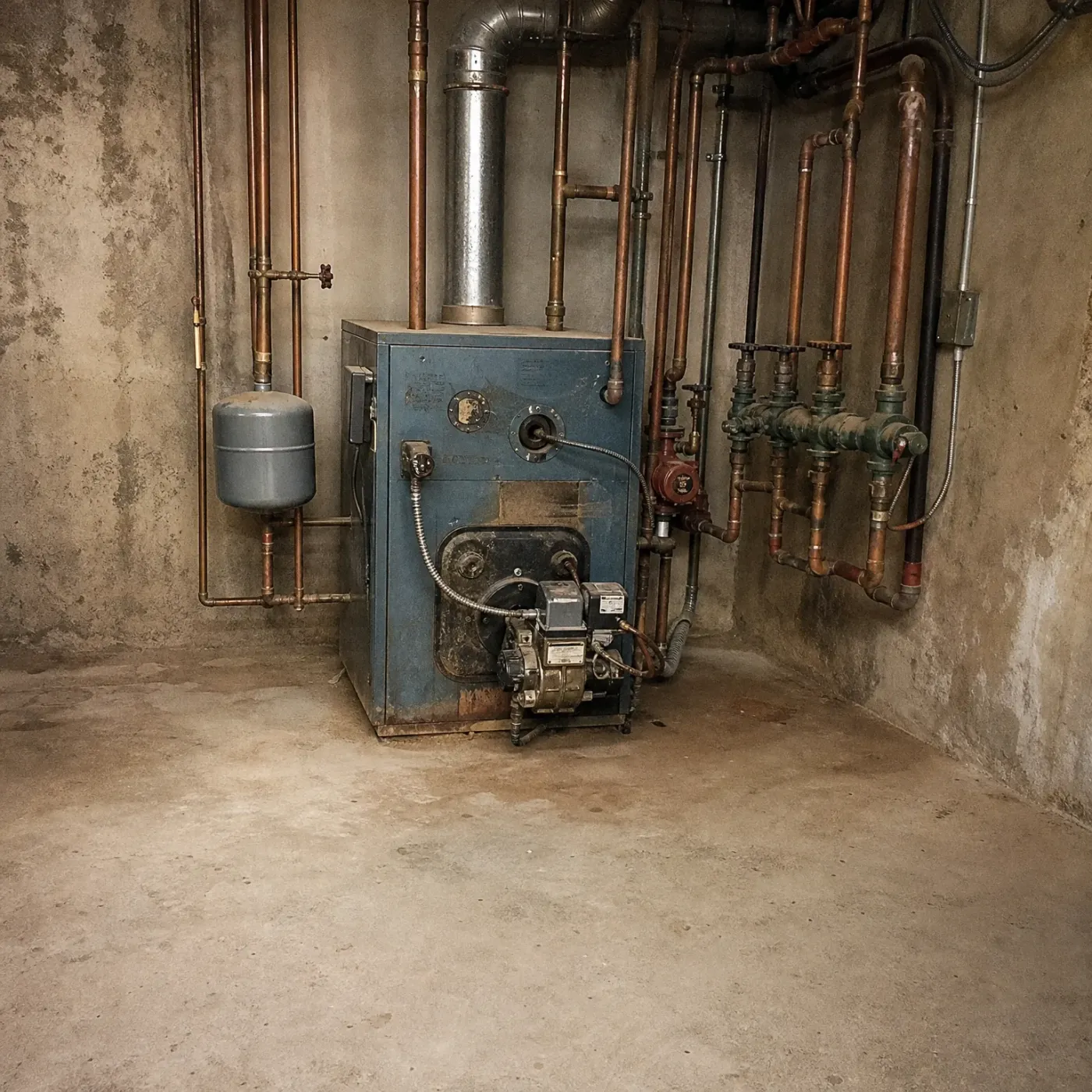
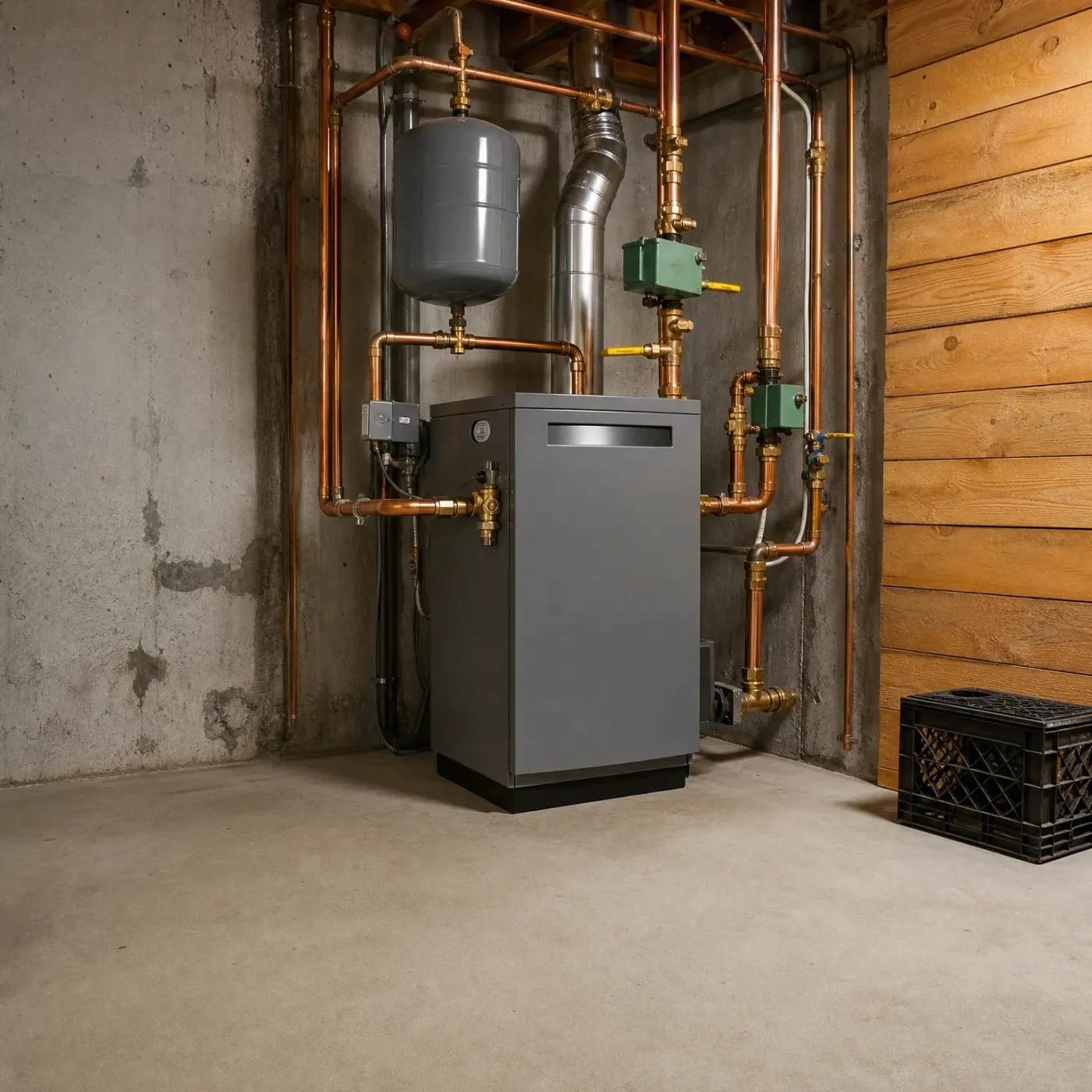
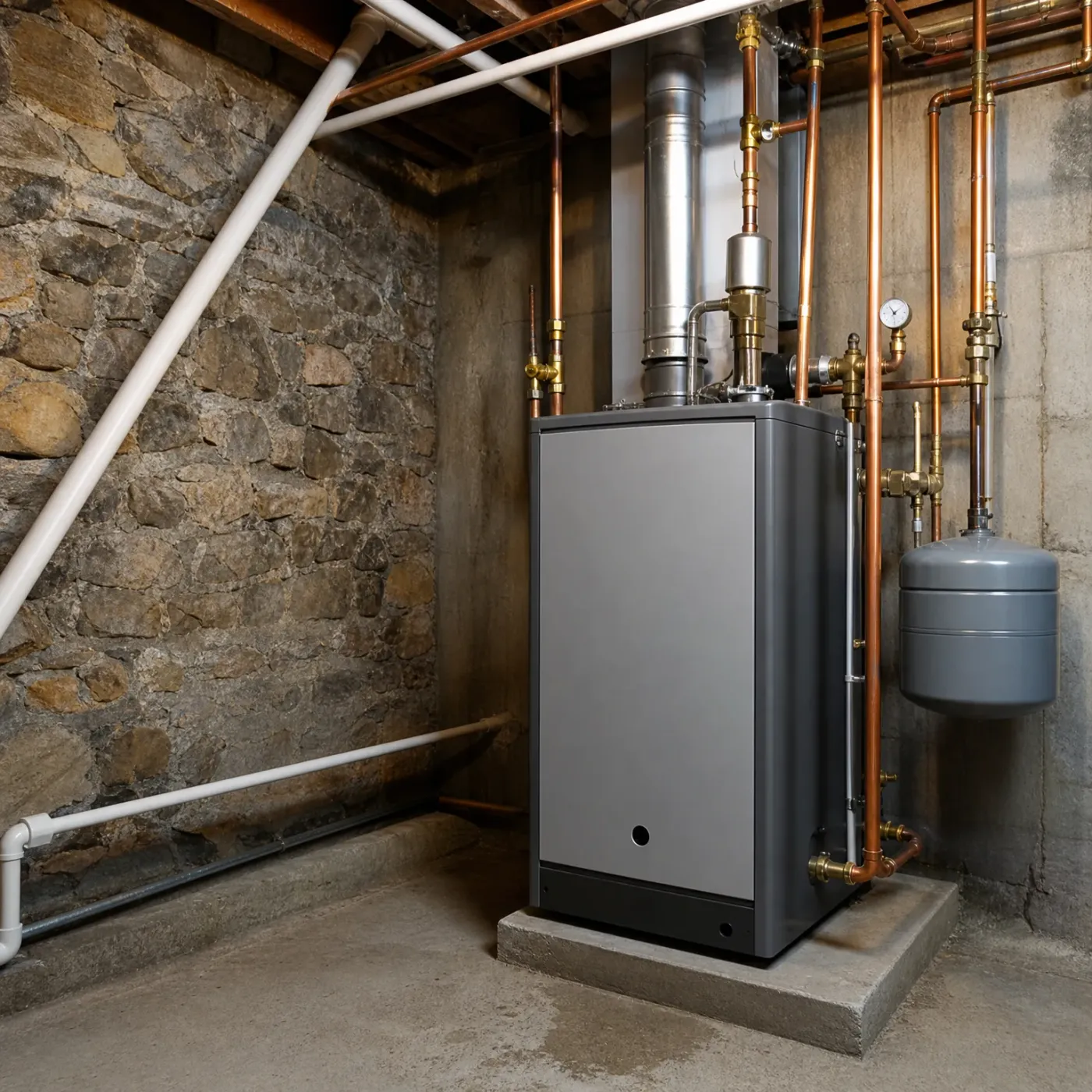
One request and the search for a pro is handled.
Describe your boiler job, and a local pro who handles it gets in touch.
You only hire the pro if you want to.

You hear it most in the evening, right when the house finally goes quiet and the boiler kicks on for the night. The banging travels through the pipes into the walls, and it doesn't stop until the cycle ends. Meanwhile the scale causing it is making the burner work longer to heat the same water, and with what power costs in Michigan, that shows up on your bill before the noise ever gets fixed on its own. It won't. Scale doesn't wear away, it builds.
Left alone, that trapped steam is pounding against the same spot on the heat exchanger every cycle, and metal fatigued that way can crack. A cracked exchanger is a different repair than a descaling, and a bigger one. Sending in the form here doesn't mean tracking down who handles boilers and waiting on callbacks. It means a contractor who works on these gets your information and reaches out to you, so the search part of this is done and you can get back to your evening.

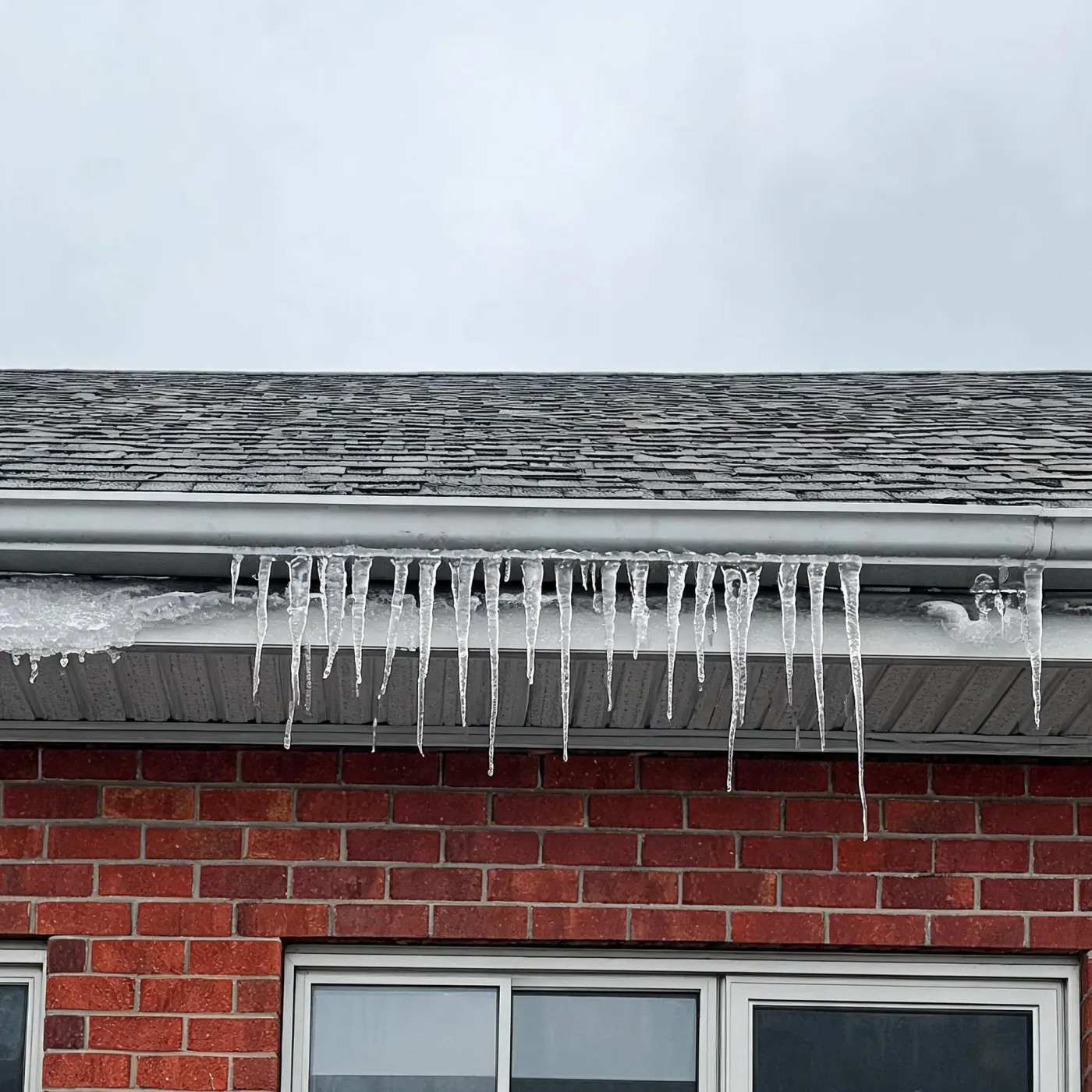
Winter nights average 19°F statewide, per NOAA, and that cold means your boiler is firing long and often, sometimes running most of the night to keep the house warm. Every one of those cycles pushes heat through the exchanger, and if scale has built up on it, each cycle is another chance for trapped water to flash to steam and bang through the pipes. A clean system handles a long winter quietly. One with scale on the exchanger gets louder as the cold holds on, because it's working harder and longer to do the same job.
NOAA nClimDiv 1991-2020 county normals weighted by homes
You notice it most when the house goes still, a banging or knocking that starts somewhere behind the boiler and runs up through the pipes. Some nights it's a rattle, other nights it's loud enough to carry upstairs. You might also see the pressure gauge creeping up between cycles, or notice the boiler taking longer to get the house warm than it used to. None of that is the boiler working harder for your benefit. It's the exchanger straining against buildup that isn't going away on its own, and left alone, that strain is what cracks an exchanger or burns out a burner before its time.


The sound has an explanation, and it isn't a mystery you have to live with. Scale or sludge has settled on the heat exchanger, water is getting trapped against that buildup, and it's flashing to steam before it can mix back in. That's the bang you hear once the house goes quiet. It won't go away on its own, and it won't stay the same either. As the buildup thickens, more water gets trapped, so the noise grows louder and the boiler works harder to push heat through a wall of scale instead of into the water where it belongs. On a cold Michigan night, that means longer burner cycles to get the same heat into your rooms, and a gas bill that reflects the extra work. None of that corrects itself with time. The fix is mechanical: someone has to get into the boiler, clear the exchanger, and check the water side for what caused the scale to build up in the first place. Once that's done, the banging stops because the thing causing it is gone, not because it's been quieted. You don't have to track down who does that work or figure out if they're any good at it. Send the form and that search is handled for you. A contractor who takes care of boilers like yours gets your information and reaches out, and from there it's a conversation about your boiler, not a hunt for a name in a directory. The noise stops being your problem to solve once you've sent it along.
Send it once and finding someone is no longer on you.