


Before your boiler repair
You're mopping up the same puddle, watching the pressure gauge, and guessing whether tonight's the night it stops heating the house.
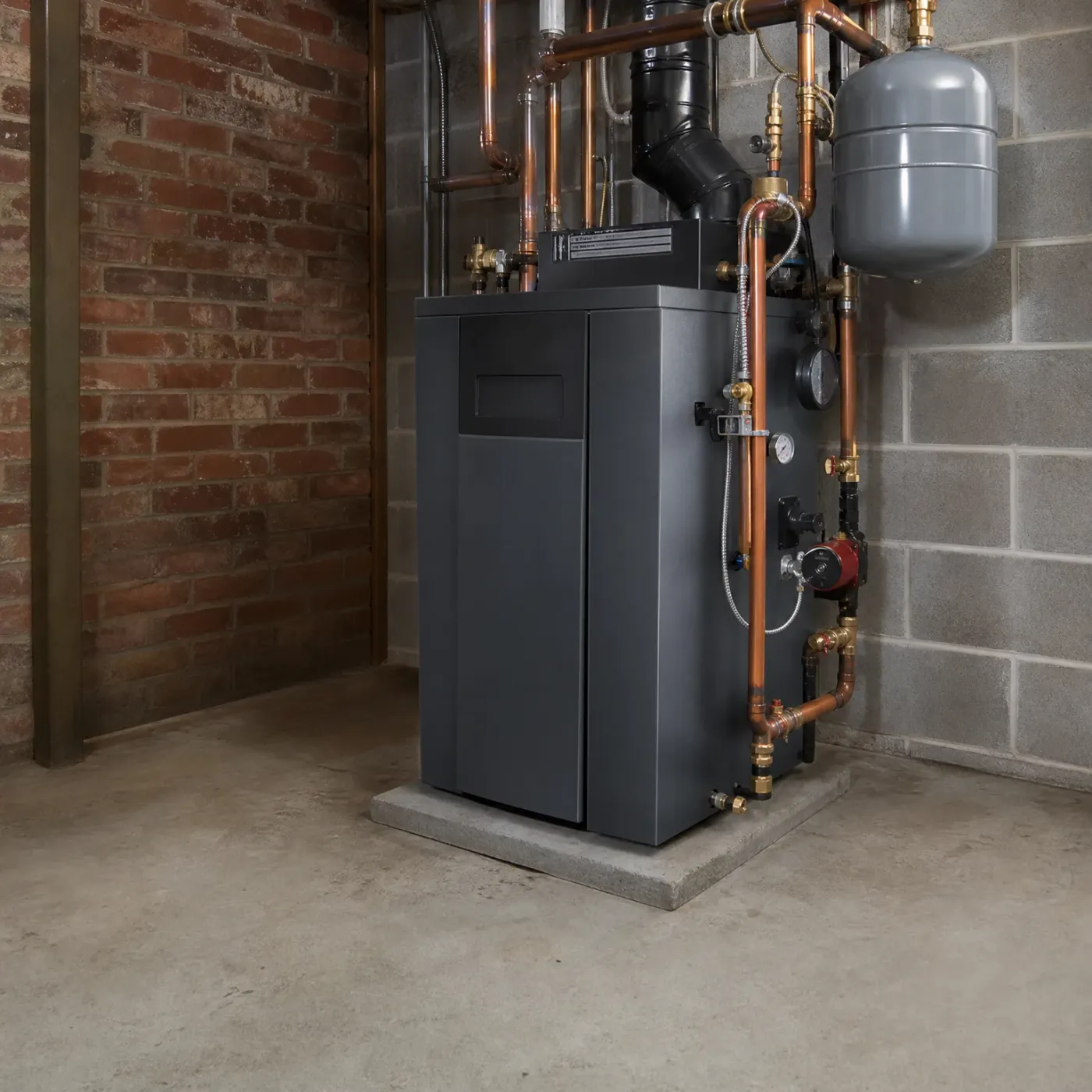
A leaking boiler usually comes down to pressure or a worn seal. Check the pressure gauge first. If it reads above 20 psi, the relief valve may be doing its job and venting water it was built to vent. If pressure looks normal, the leak is more likely coming from a failing pressure relief valve itself, a corroded pipe fitting, or the circulator pump seal wearing out after years of running all winter. Gas boilers in Michigan homes work hard from October through April, and that long stretch of cycling on and off is what wears these parts down. A small drip near the pump or a valve might not seem urgent, but water finding its way out means something inside has already failed, and it won't fix itself. Left alone, it can lead to rust, electrical damage near the unit, or a boiler that fails outright on a cold night. Getting a licensed plumber or heating contractor to look at it and trace the source is the only way to know what's actually wrong.




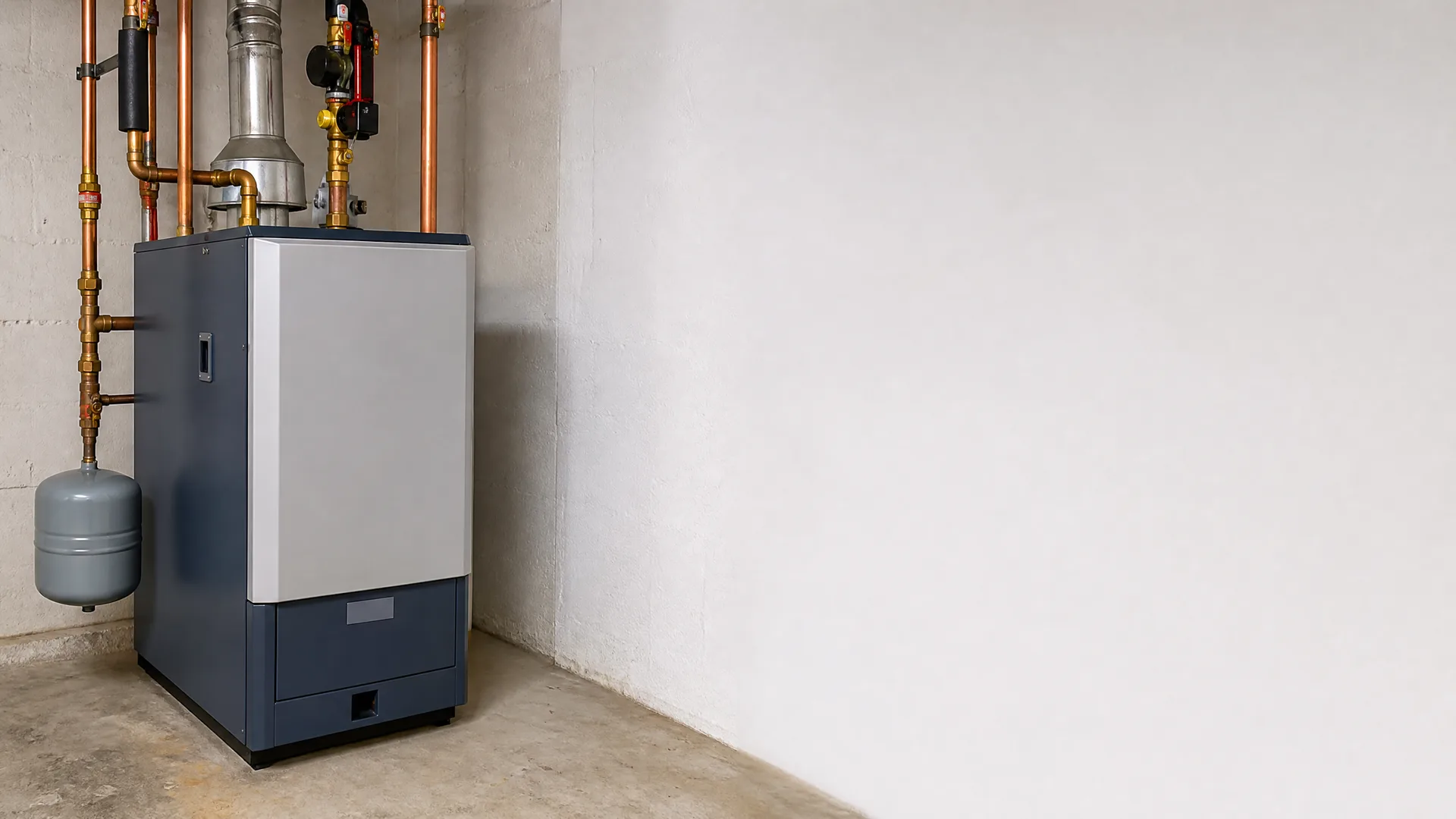
This valve is set to open at 30 psi. It sits there to protect the boiler from a dangerous buildup, so when it opens and drips, it's doing the job it was built for. The question is why pressure got that high. A bad expansion tank or a fill valve stuck open will push the system past the point where the relief valve has to act.
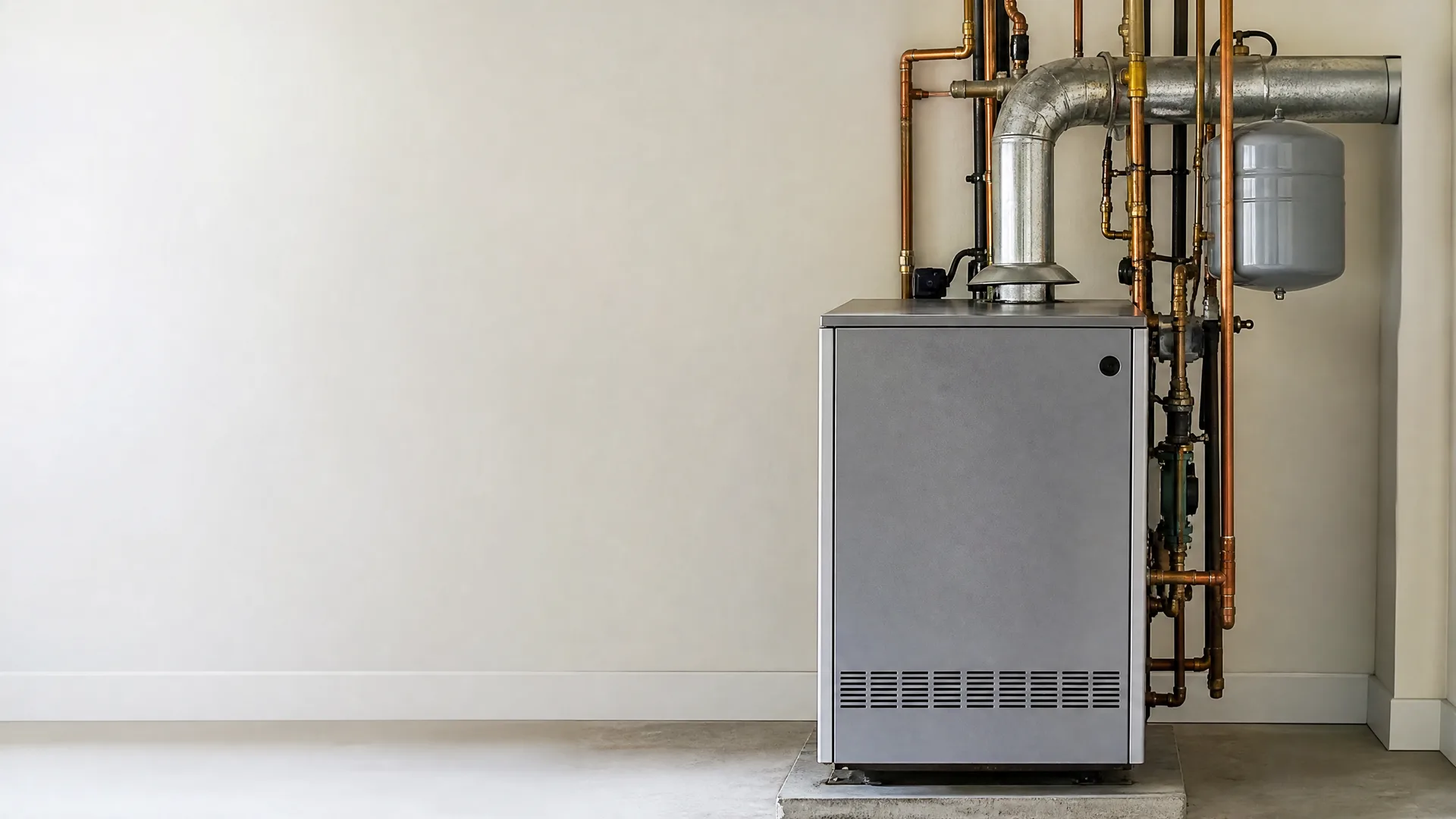
The circulator pump moves hot water through the system constantly, all winter in Michigan, and the seal around its shaft takes that wear. Once it starts to go, water seeps out slowly at first, often just a stain or a bit of mineral crust where the pump housing meets the pipe. It won't fix itself, and it tends to get worse as the seal keeps wearing.
Water pooling under the boiler worries people more than a drip from a valve up top, because it looks like the tank itself is failing. Before you start picturing a replacement, it helps to know what actually sits at the bottom of the unit and what tends to give out there after a Michigan heating season.
The circulator pump sits low on the boiler and pushes hot water out through the system. Inside it is a seal that wears with every hour the pump runs, and once it wears enough, water seeps out around the pump housing and drips straight down. A loose or aging drain valve does the same thing lower on the tank. Both are common after a long winter of steady runtime. A cracked heat exchanger can also leak from the bottom, but that's less common and usually comes with rust stains or a rotten-egg smell along with the water. A licensed contractor can pressure test the system to find which one it is before anything gets replaced.
Water pressure inside the system climbs past its normal range.
The expansion tank or a bad seal fails to absorb it.
The relief valve opens at 30 psi to vent the excess.
Water tracks down the valve's discharge pipe and drips out.
Maybe it's a puddle on the floor near the base, or a damp patch on the wall behind it. Maybe you've seen rust or white mineral crust where a fitting meets the tank, or water tracking down from the pipe near the pressure relief valve. Some people notice it first as a musty smell in the utility room, or a faint hiss when the system runs. If the leak has been going on a while, check for rust on the floor plate underneath or on nearby pipes. Left alone, a steady leak can corrode the boiler's own fittings and the metal around them, and it won't fix itself. Michigan winters don't give a failing boiler much room for delay.
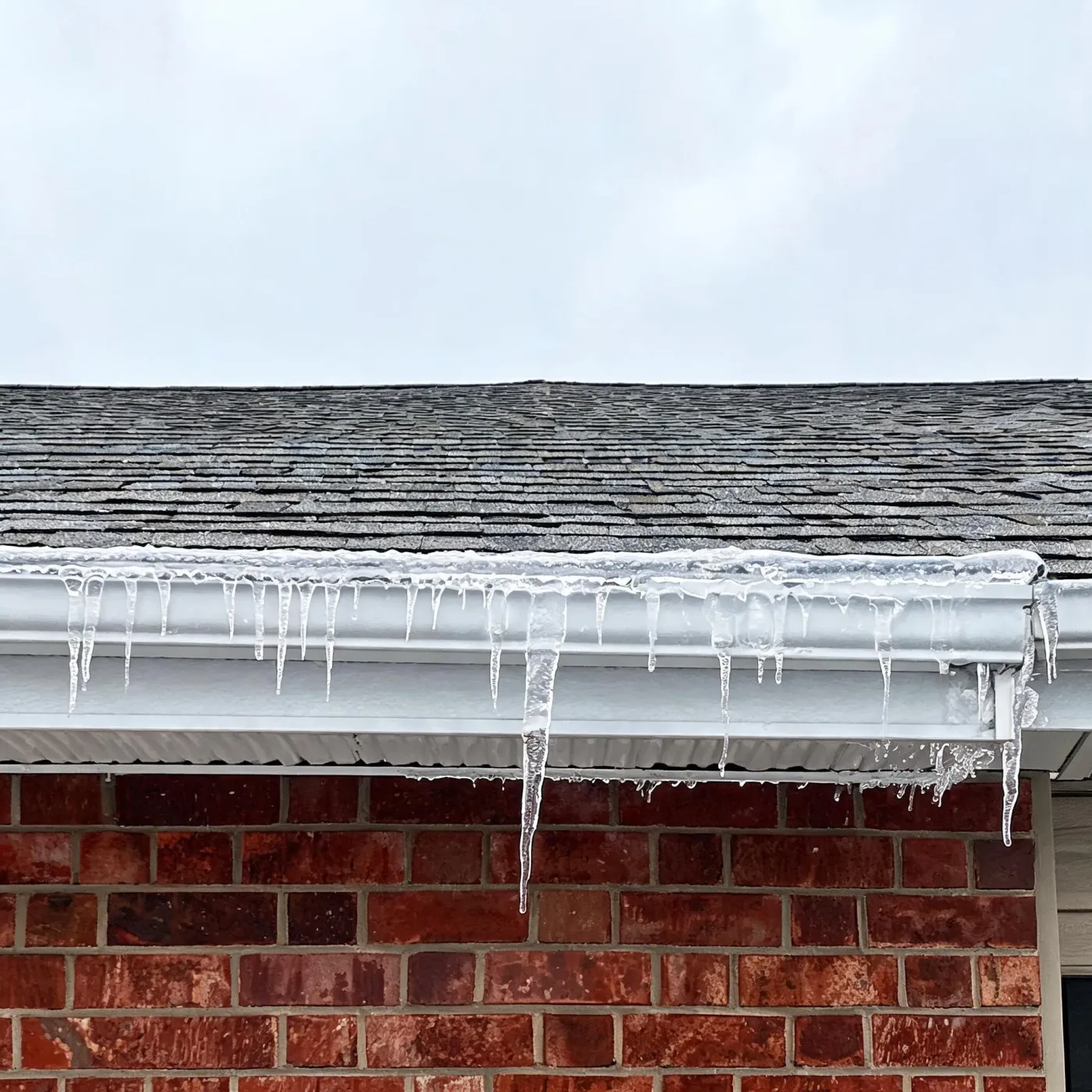
Statewide, winter nights average 19°F, according to NOAA climate data. That kind of cold keeps a Michigan boiler running long stretches without much of a break, and the water inside heats and cools less than it would in a milder climate, so pressure stays elevated more of the time. A seal or fitting that's already worn has less chance to recover between cycles. If yours is leaking now, in the coldest months, that's often why. You don't need to track down which part it is before you call someone. Once you send the request, a licensed boiler contractor local to your area takes it from there, someone who sees this exact problem every winter and knows what tends to give out first in weather like this.
NOAA nClimDiv 1991-2020 county normals weighted by homes
Your request stays with one local pro.
It costs nothing to send, and you don't have to hire anyone.
Wait and watch the leak before calling anyone. If it's small and the boiler still heats the house, you can mop up and check the pressure gauge once a day until a pattern shows itself.
A boiler that's leaking is also losing pressure it needs to run right, and a licensed tech can find the seal or valve causing it in one visit instead of you guessing at it over a week of mopping up water.
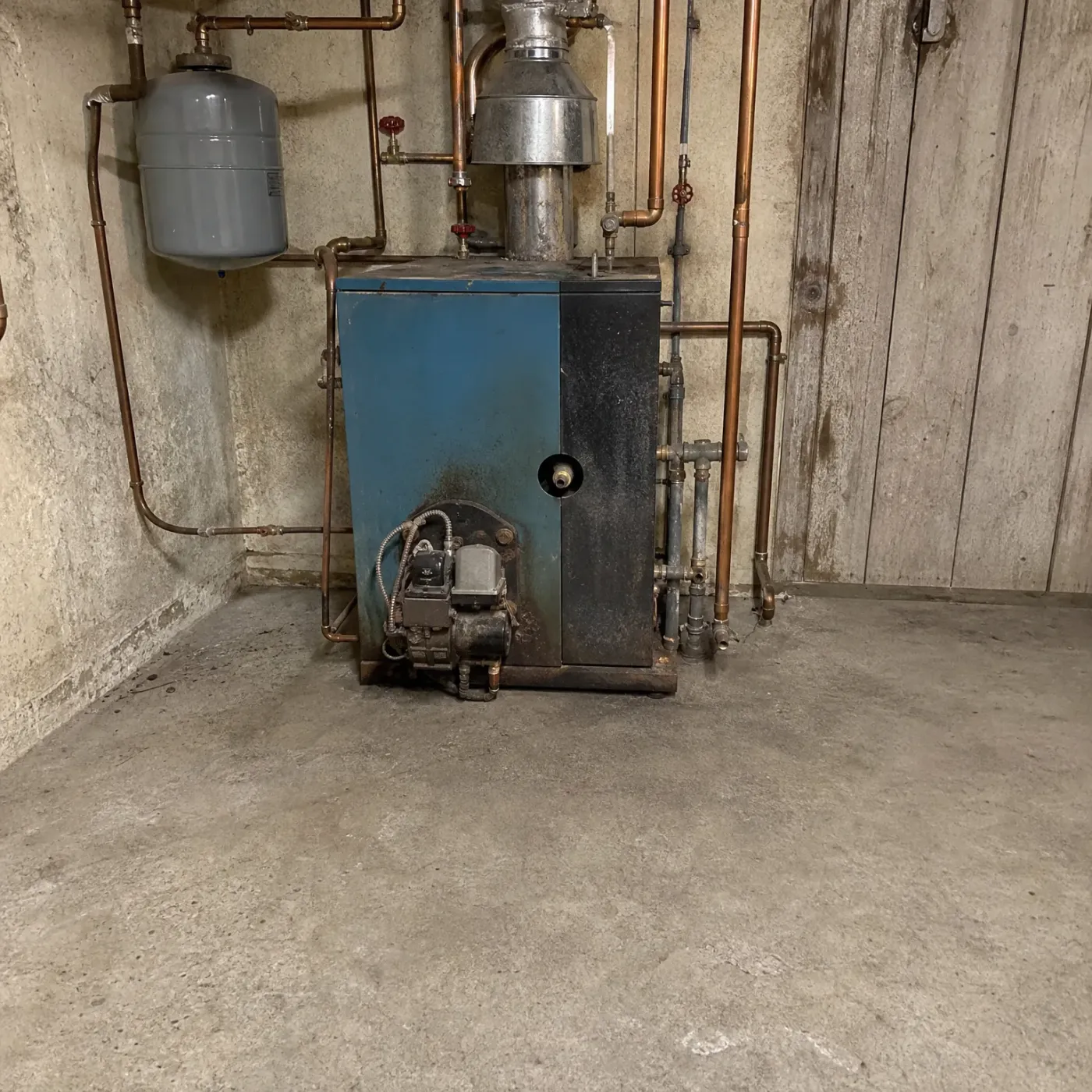
You're mopping up the same puddle, watching the pressure gauge, and guessing whether tonight's the night it stops heating the house.
A local tech who works on boilers all winter has found the actual cause and fixed it, so you're done checking the floor every morning.
At 19°F overnight, your boiler barely gets a break between cycles. That steady run time keeps pressure built up for hours at a stretch, which gives a worn seal or a stuck valve more chances to show itself before the night is over.
NOAA nClimDiv 1991-2020 county normals weighted by homes

You come down before the house is awake, sometime around six, and the living room is still dark except for the streetlight through the frost on the glass. The radiator under the window is ticking away under its coat of ice on the inside pane, and when you reach down to touch the cast iron to check if it's even running, your sock lands in water. It's spread out in a thin sheet from the base, farther than you thought, cold enough that you know it's been sitting there since sometime in the night while the boiler kept pushing heat into a room that can't hold it.
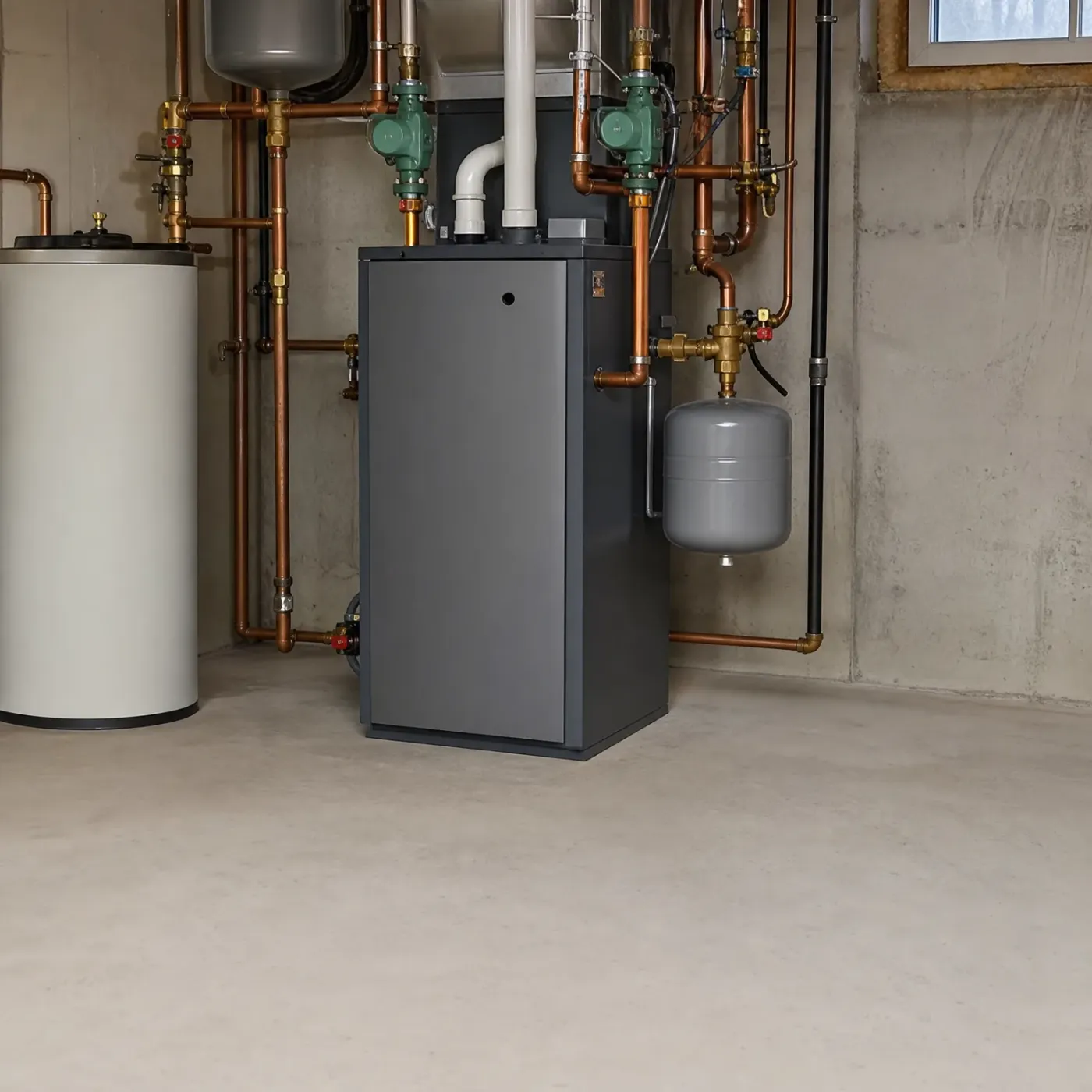
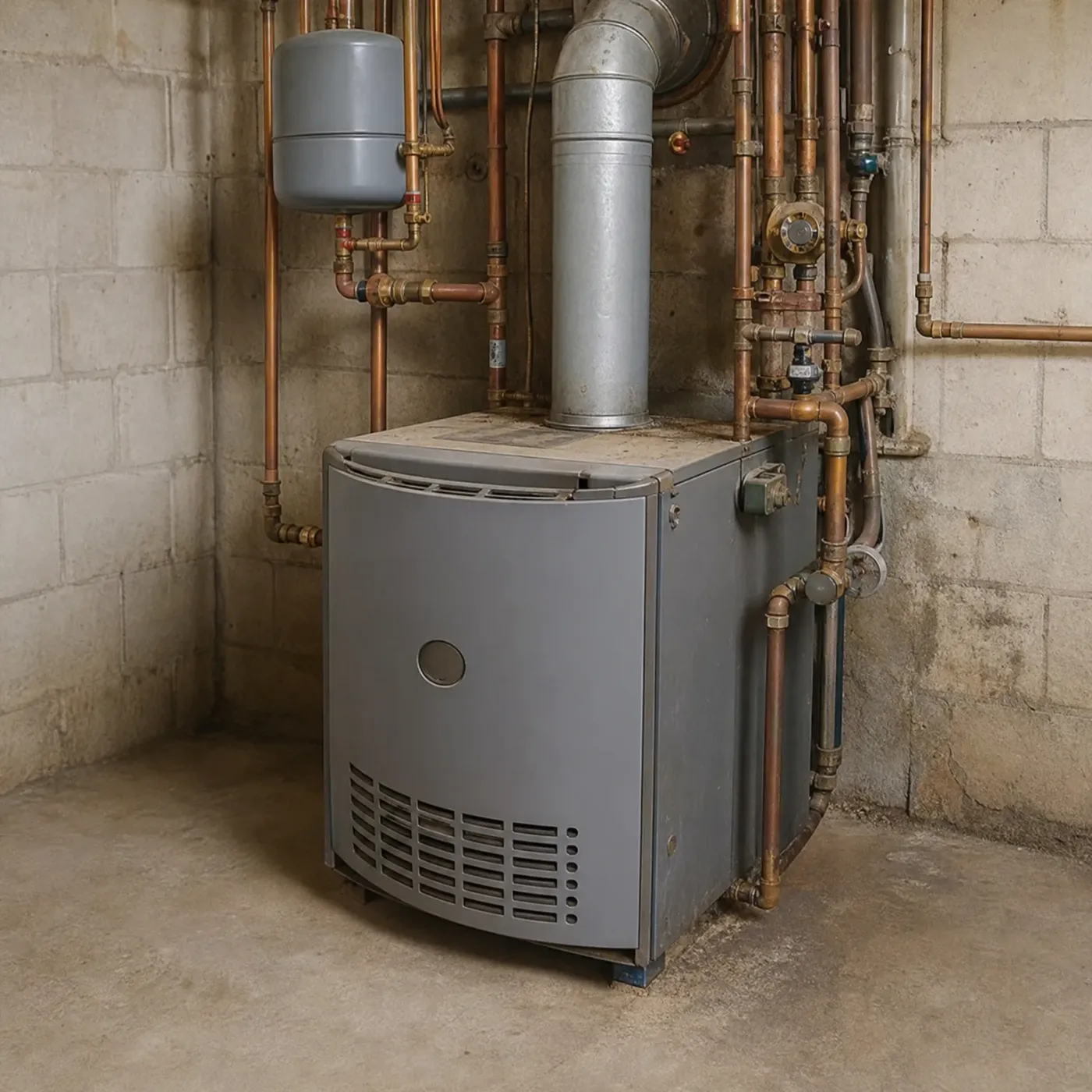
Most of what shows up around a leaking boiler points back to one of two things: pressure that climbed too high, or a seal that gave out after enough winters of hard use. The pressure gauge tells you which one you're dealing with. A reading past 20 psi usually means the relief valve opened because it had to, not because it's broken. That high reading often traces back to a worn expansion tank that stopped doing its job of absorbing the pressure swings as water heats and cools. If the gauge looks normal and you're still seeing water, the leak is more likely a fitting, a pump seal, or a joint that's been weeping slowly enough that you're only now noticing rust or white mineral crust built up around it. Michigan's cold winters don't cause either problem, but they do give them room to show up. A boiler here runs long stretches without much of a break once temperatures drop, and that steady run time puts hours of pressure on a weak seal or a tired tank before the night is even over. None of this takes guesswork out of a visit, but it does narrow down what a tech is looking for before they get to your house. Someone who works on boilers all winter in Michigan has likely seen this exact combination before, pressure, tank, and a fitting giving way, and knows which one to check first.


A leak like this almost never means a new boiler. Most of the time it's a pressure problem or a worn seal, and both get fixed, not replaced. The contractor who takes this job is local and works on boilers all winter, so he's seen this exact leak before and knows where to look first. You'll hear from one person, not a handful of companies competing for the job. Send the request and let him work out what's wrong while you stop checking the pressure gauge every hour.