
Why your boiler is losing pressure in Michigan
A boiler loses pressure because water is leaving the sealed system somewhere, or because it was never bled of air after your last service. Most of the time it's a small leak, at a valve, a pump seal, or a fitting on the pipes, slow enough that you never see a puddle but steady enough that the gauge creeps down over weeks. Winter makes it worse. When your furnace or boiler runs hard through a Michigan January, the system heats and cools more often, and each cycle stresses the same worn seal or joint a little more. If you've been topping off the pressure yourself every few weeks, that's not a fix, it's a sign the loss is ongoing. Left alone, low pressure can trip the boiler's safety lockout and leave you without heat on the coldest night of the year, which is exactly when you don't want to be without it.
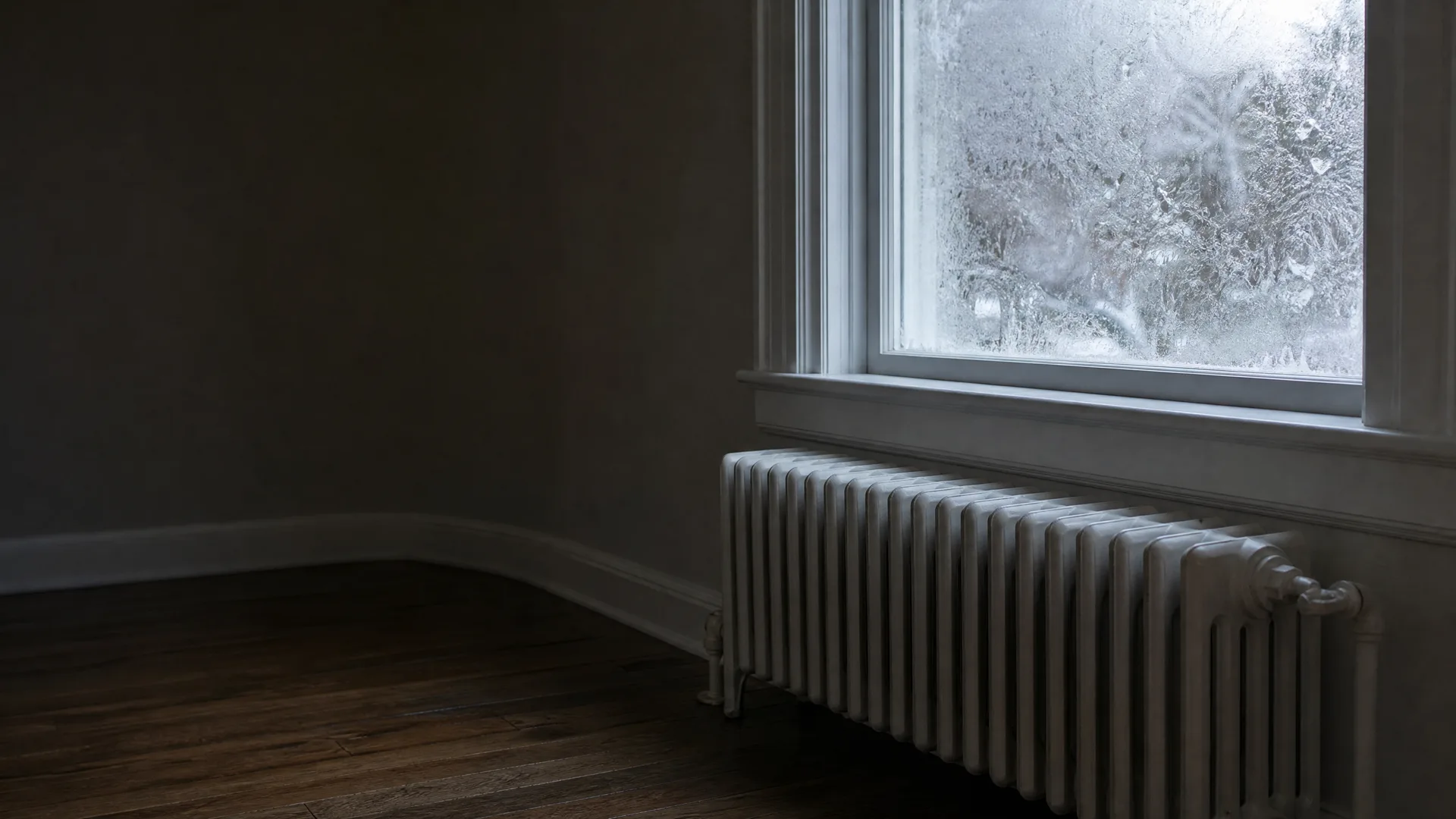
You come down before work and the living room is cold enough to see your breath near the window. The radiator under it is barely warm at the bottom, stone cold at the top. Ice has formed on the inside of the glass, a thin crust in the corners. You check the pressure gauge by the boiler and it's sitting below where it should be, the needle dropped into the gray. Outside it's still dark, another January morning in Michigan, and the furnace next door is running fine. You top off the pressure the way you did last month, and the month before that, knowing it will drop again before the gauge even settles.
Where is my boiler actually losing the water from?
Where is my boiler actually losing the water from?
Check the pressure relief valve and the radiator valves first
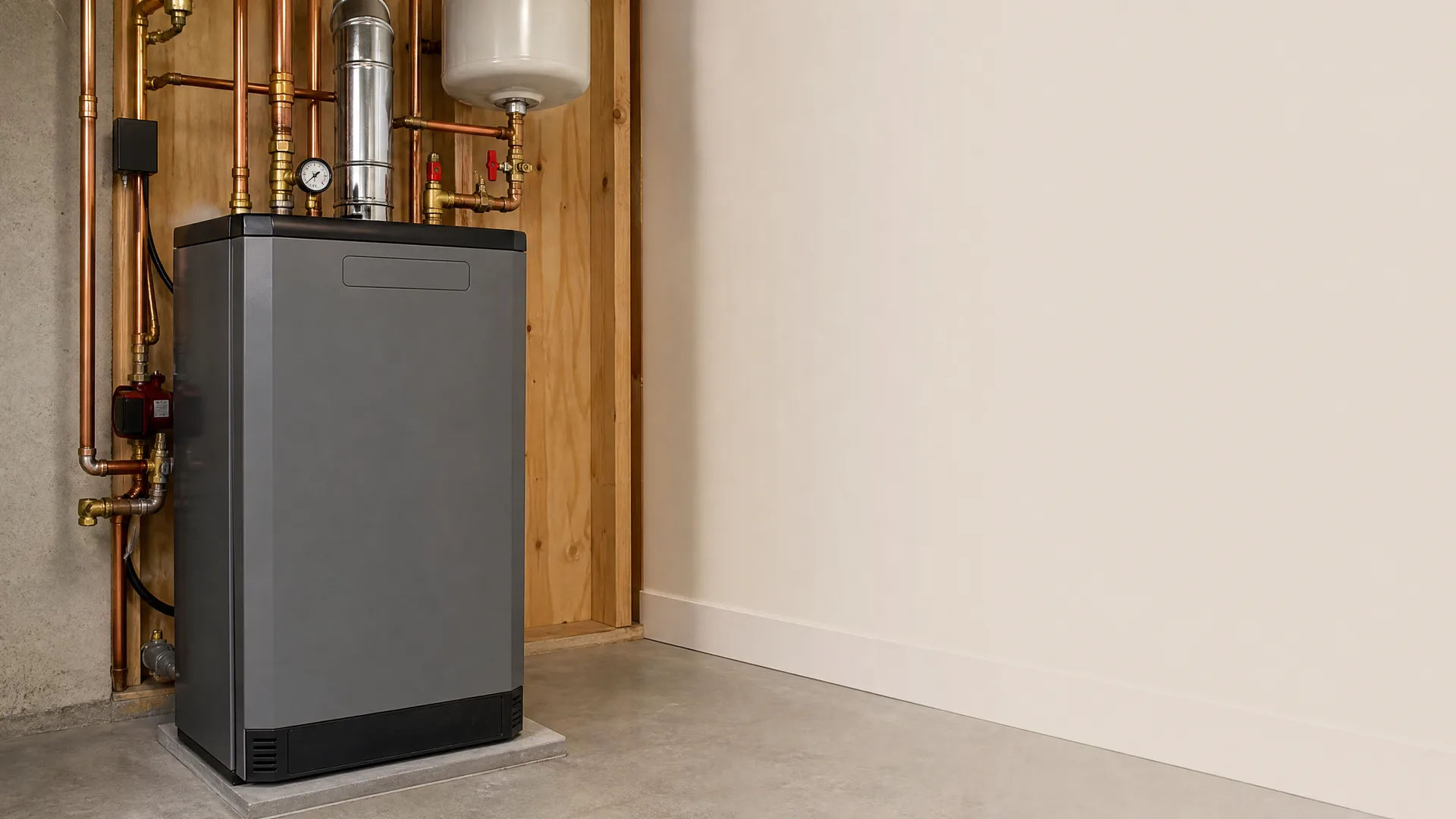
Water doesn't just vanish from a sealed system, it goes somewhere, and most of the time you can find it if you know where to look. The pressure relief valve sits on the boiler itself and has a small pipe running outside the house. If that pipe is wet or stained, the valve has been letting water out. Radiator valves are the other usual spot, especially the bleed valve at the top of each one. A faint damp patch on the floor near a radiator, or rust around a joint, means the leak is there. Pipe fittings under the floor are the hardest to spot, since the water can travel along a joist before it ever shows.
What the pressure gauge tells you
A healthy system holds steady around 1 to 1.5 bar cold. If yours drifts down over a week or two, that's a slow loss somewhere in the pipes or at a fitting. If it drops in a day or falls to zero overnight, the leak is bigger or the pressure relief valve is letting go under heat. Either way, the gauge is the first thing a contractor checks, because where it sits and how fast it moves points to where to look next.
Why air makes it worse
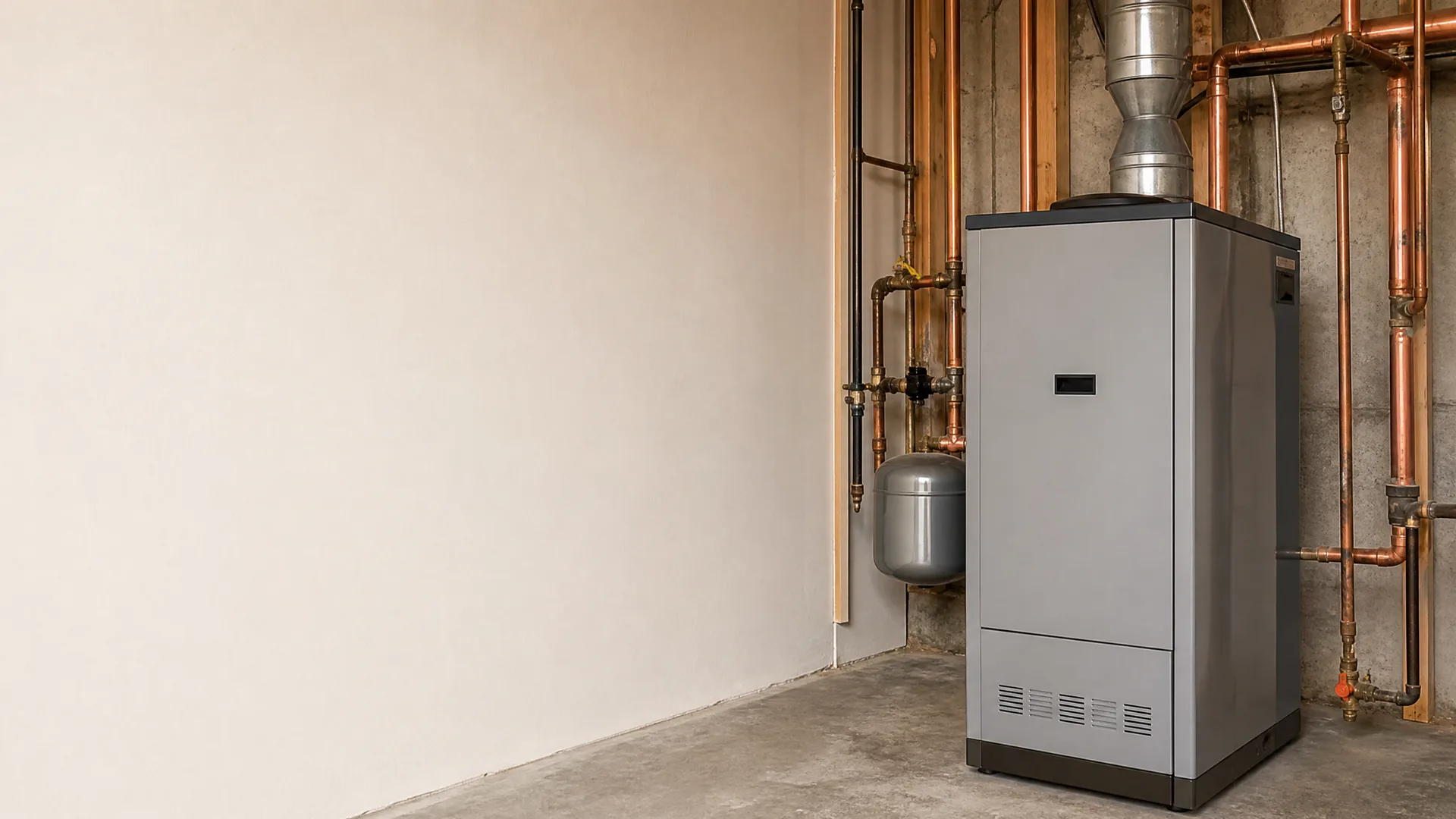
Every time water leaves the system, air takes its place at the top of radiators and in the pump housing. That air throws off the pressure reading even when the actual leak is minor, and it makes the boiler work harder to push hot water through the pipes. With gas prices what they are in Michigan, a boiler fighting trapped air all winter costs more to run than one that's been bled and refilled properly.
Winter nights average 19°F statewide
At 19 below freezing most winter nights, your boiler is running long hours to keep up, and every hour it runs is another chance for a slow leak to show itself as dropping pressure. A system that's losing water won't hold heat as well on a night that cold, so low pressure matters more here than it would somewhere milder.
NOAA nClimDiv 1991-2020 county normals weighted by homes




Hand off the boiler problem
A boiler that keeps losing pressure isn't going to fix itself, and in a Michigan winter you don't have much room to wait it out. Every day you spend bleeding radiators and eyeing the gauge is a day you're not actually finding where the water's going, whether that's a worn valve, a pump seal, or a pinhole in a fitting behind a wall. Tracking that down takes someone who can pressure test the system and look at the actual pipework, not just top it off and hope. Left alone, a slow leak doesn't stay slow, and a boiler running long hours against a Michigan cold snap to make up for lost pressure is a boiler working harder than it should. You don't have to call around and describe the same cold radiator and ice on the window three or four times to three or four companies. Send this once and that search is over. What's left is getting the leak found and closed before the next cold night asks more of a system that's already losing ground.
Where the pressure actually goes
- Pressure that drops over a week or two usually means a slow leak at a valve, pump seal, or pipe fitting.
- A gauge that falls to zero overnight points to a bigger leak or a failed pressure relief valve.
- Air left in the system after a bleed or a service visit will also show up as a pressure drop.
- Topping off the gauge without finding the source just buys you a few more cold mornings.
- Long heating cycles on the coldest nights give a slow leak more chances to show up on the gauge.
- A system that won't hold pressure won't hold heat evenly through the house either.
A boiler holds its pressure or it doesn't, and the gauge tells you which one you've got. Water leaving slowly, at a valve or a pump seal or a fitting somewhere in the pipes, reads as a gradual drift over a week or two. Water leaving fast, through a failed pressure relief valve or a bigger break, reads as a gauge sitting at zero some morning. Air trapped in the system after a bleed does the same thing from the inside, no leak at all, just pressure the system never had to begin with. None of these fix themselves by adding water back in. Topping off the gauge gets you through one more cold night and tells you nothing about where it went. On the nights it drops below 19, the boiler runs longer to hold the house, and a slow leak gets more hours to turn into a bigger one. A system that can't hold pressure can't hold heat evenly either, so the room farthest from the boiler is usually the one that feels it first. The gauge is the one part of this you can read yourself. Where the water or the air is going is the part that takes someone who works on these systems to find, and that's the difference between a system that holds through February and one that keeps bringing you back to the same cold radiator.


Done looking for a boiler pro
A boiler that keeps losing pressure needs someone to find where the water's going and fix it, not another winter of topping it up. That's a job for a licensed contractor, and finding one is the part you can hand off. Send the form and you're done with searching listings, calling around, and explaining the same problem three times over. With Michigan winters running cold and gas heat the way most homes here keep warm, a repair that actually holds matters. Someone will be in touch to sort out the rest.
Explain the job once and skip repeating it on every call.
Sending the form costs nothing.