One safety switch, several triggers
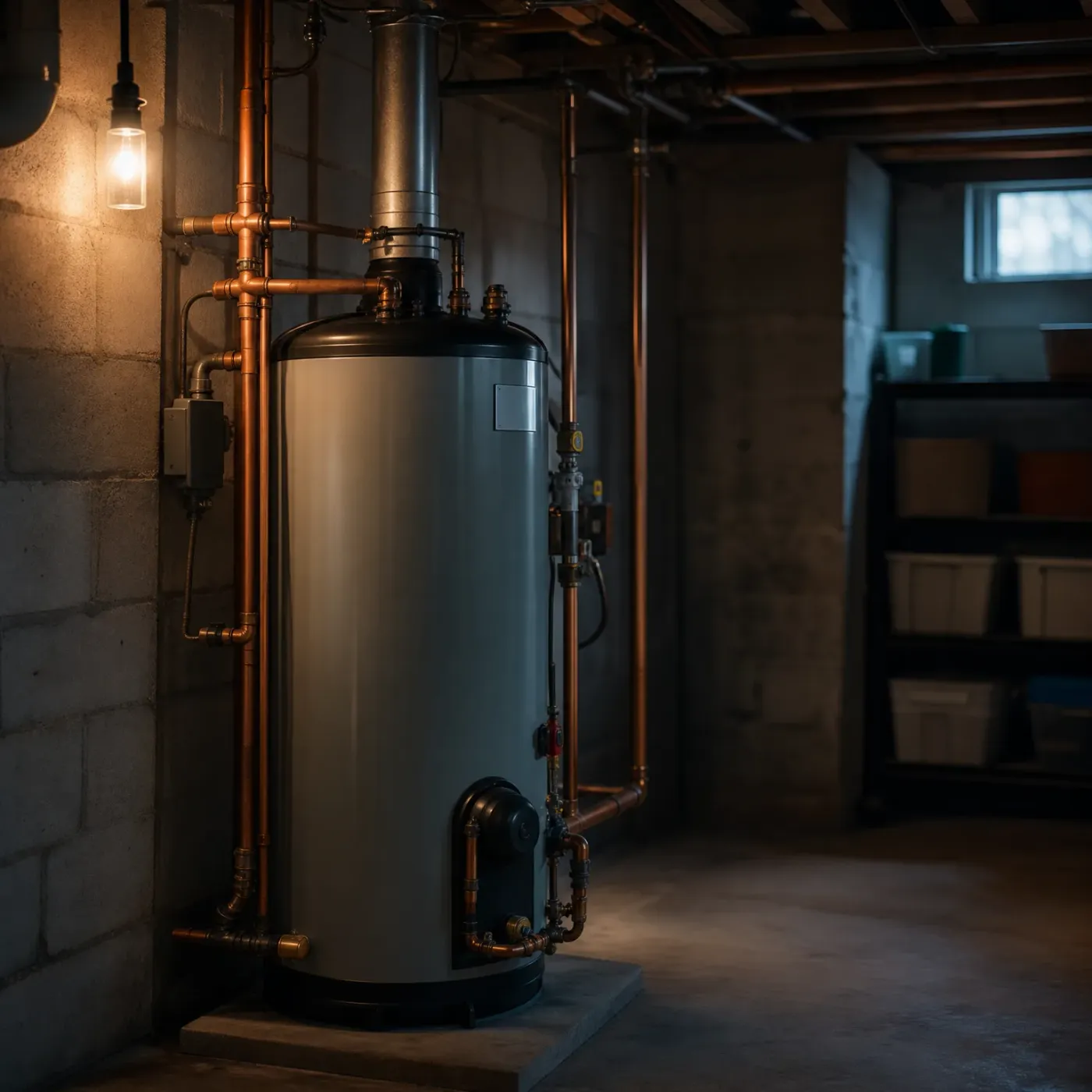
Low water pressure, a weak flame signal, and a blocked vent all trip the same shutoff. A tech checks each one in order to find which one is firing.
Skip the search
A boiler that shuts off on its own usually means it's tripping a safety switch somewhere, on purpose, before something worse happens. This page walks through what in a Michigan home causes that, from the vent to the water pressure to the igniter. Skip the round of calls to different repair shops and get matched with one local contractor who works on boilers all winter.
Start one formA boiler that keeps turning off is almost always shutting itself down on purpose. It has a safety switch that cuts the burner when something isn't right, like low water pressure, a flame that won't stay lit, or a blocked vent. In Michigan, that vent blockage matters more than people think, because a boiler running hard for months through a hard winter pushes exhaust out through a pipe that can get packed with ice or snow. Low water pressure is another common one. Gas heat means a pilot or an igniter has to prove it's lighting the burner every single cycle, and if that sensor doesn't see a flame, it shuts down rather than letting gas build up. None of this means the boiler is failing for good. It means something specific is tripping a switch, and that part can be found and fixed.




Low water pressure, a weak flame signal, and a blocked vent all trip the same shutoff. A tech checks each one in order to find which one is firing.
A sidewall vent packed with snow or ice reads to the boiler as a blocked flue. It shuts down rather than send exhaust back into your house.
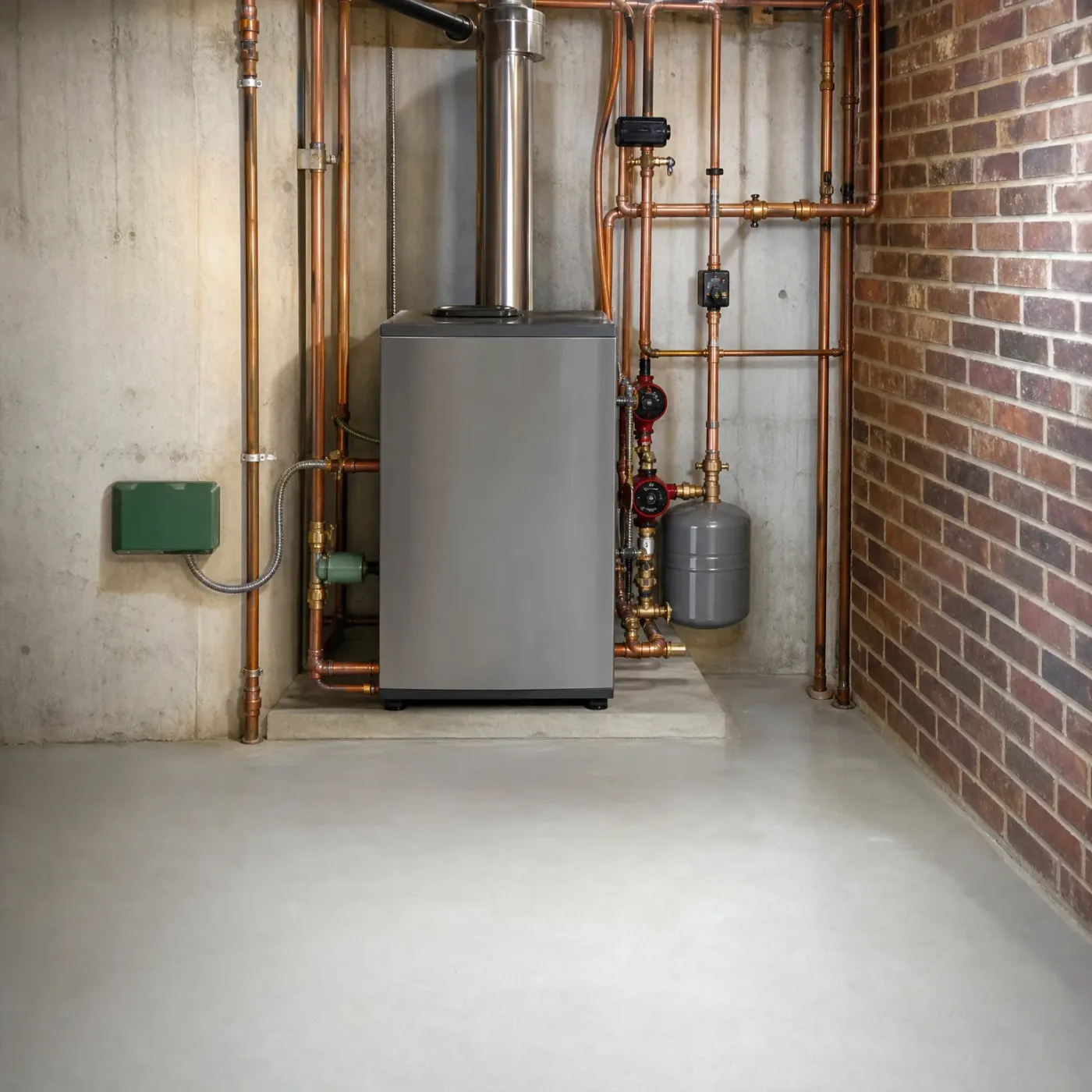
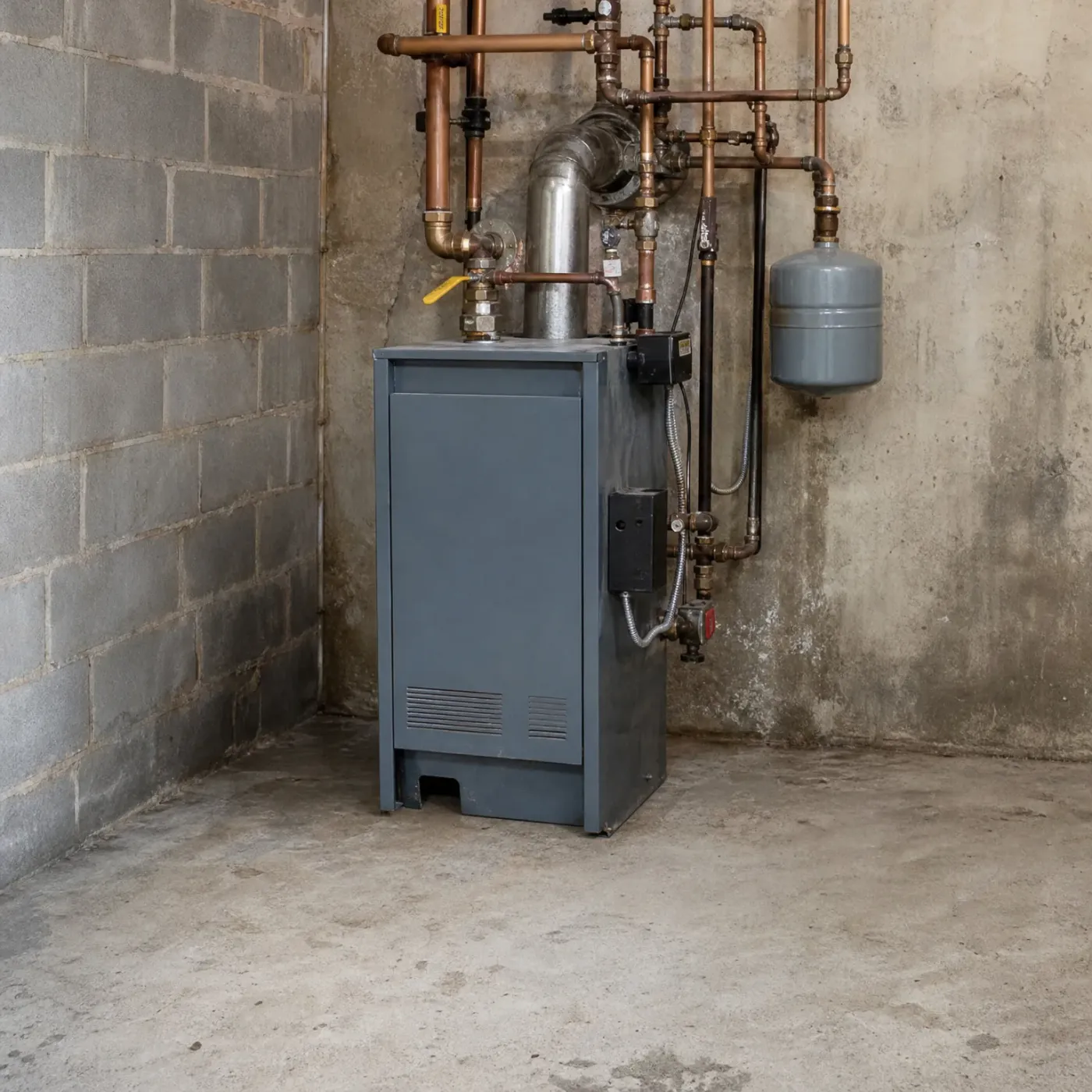
This is a boiler that lights, runs, and shuts off on its own when the house is warm enough. Water moves through the copper lines and pumps without a fight, and the pressure gauge holds steady. Nothing here is forcing a restart.
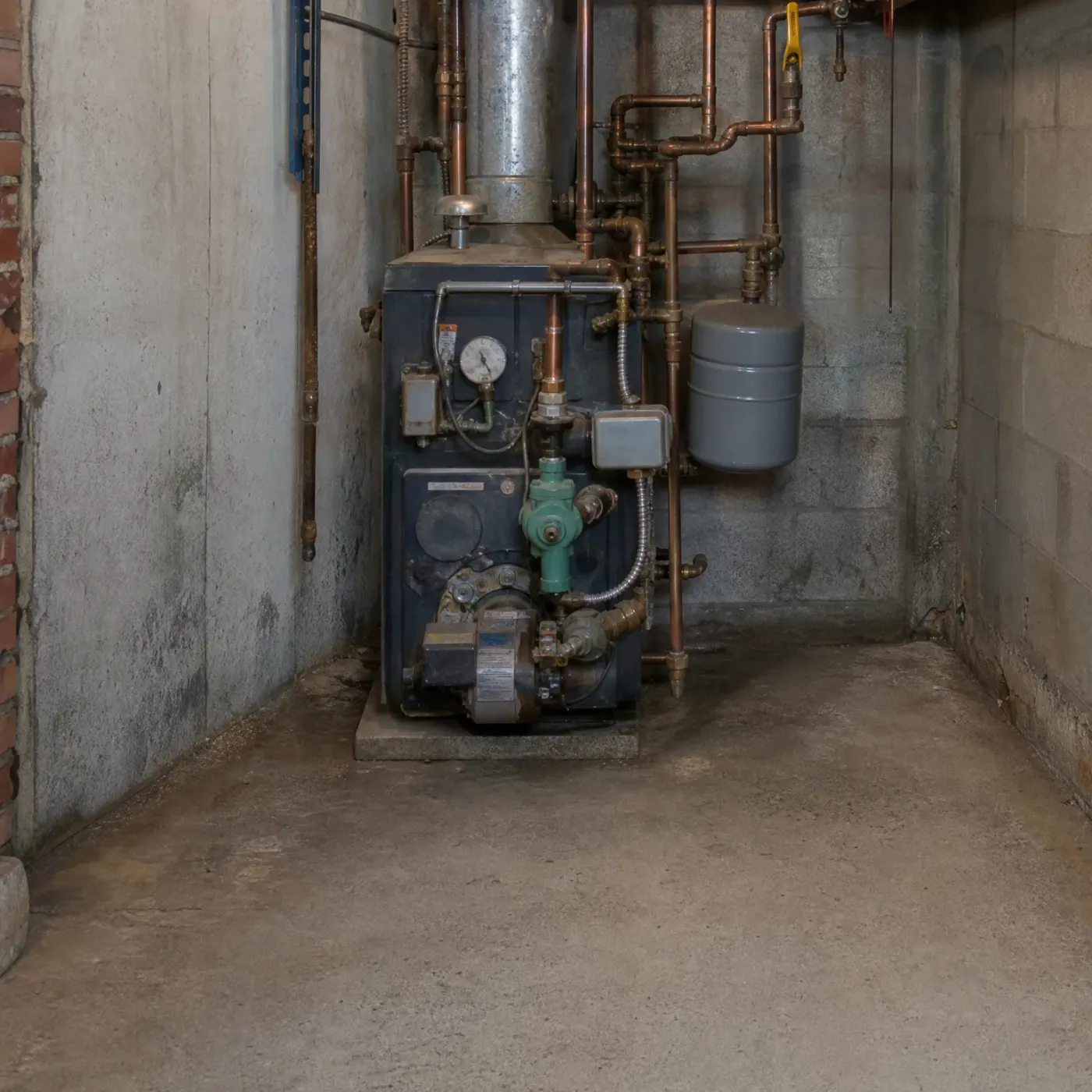
This one keeps cutting out before the house warms up. The flue has to draw freely for the burner to stay lit, and if ice or snow is blocking it outside, the safety switch kills the flame. Low pressure on the gauge does the same thing.
You hear the burner light, run for a few minutes, then go quiet, and a while later it tries again. Some nights it keeps that up for hours. You might catch a faint click from the utility room right before it cuts out, or notice the radiators or baseboards never get properly warm even though the boiler keeps firing. Check the pressure gauge on the front of the unit. If it's sitting low, or you've had to add water to it more than once this winter, that's doing the same thing the vent ice is doing elsewhere in Michigan: forcing the safety switch to act. Left alone through a cold snap, a boiler that short-cycles like this can run rooms cold right when you need the heat most, and keep wearing on the same parts each time it restarts.
Thermostat calls for heat and the circulator pump starts.
Ignition control opens the gas valve and sparks the igniter.
Flame sensor confirms the burner lit within a few seconds.
Pressure switch checks the vent is pulling exhaust correctly.


A boiler that won't stop cycling doesn't wait for a good time to do it. It usually shows up on the coldest night, right when you need the heat to hold. At that point you're not in a position to start calling around Michigan for someone who works on boilers, sitting on hold, explaining the clicking and the short runs to three different people, then trying to tell which quote actually covers the problem. That's the part that eats your evening, not the repair itself. A request here goes to one local contractor, someone who's out in these houses every winter hearing this same complaint and knows which switch tends to be the one firing. You tell the story once, to someone who already knows what a blocked vent in January sounds like, and you get back to waiting out the cold instead of working the phone.
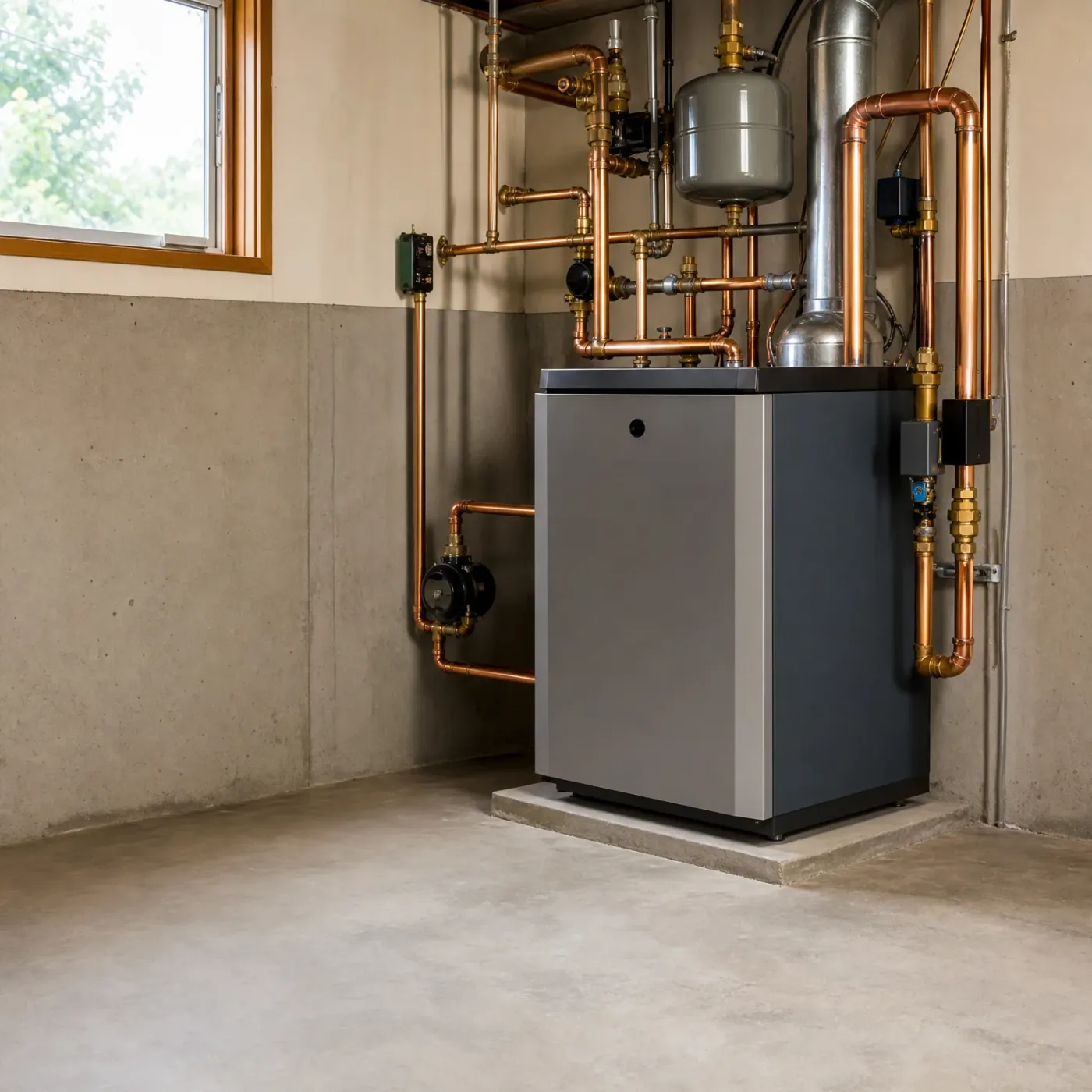
On a 19°F night your boiler isn't cycling a few times and resting. It's holding a call for heat for hours, which means any weak point, a marginal pressure switch or a vent fighting ice, gets tested over and over before morning.
NOAA nClimDiv 1991-2020 county normals weighted by homes
The short version is simple. Your boiler isn't broken in the sense of failing. It's shutting itself off because a safety switch caught something wrong, low water pressure, a flame signal that won't hold, or a vent that's choked with ice or snow. In Michigan that last one does a lot of the work. A sidewall vent packed with ice on a cold night will trip the same shutdown as a bad pressure switch, and from the utility room they sound about the same.
That's why this isn't something to chase down part by part on your own. A tech who's been working on boilers through Michigan winters has already run into most of what trips this safety switch, because the same cold snaps that are testing your system are testing everyone else's on the same night. That's the kind of problem someone local and familiar with this equipment sorts out faster than someone guessing from a manual.
Submitting this once means one contractor gets the job, not four companies calling you back at once to pitch the same visit. You explain the symptoms a single time, to someone who's going to be the one standing in your utility room, not to three different call centers first. That's the part that gets handled for you. The boiler itself still needs a tech to open it up, find which switch tripped, and fix what's behind it.

Skip calling around