
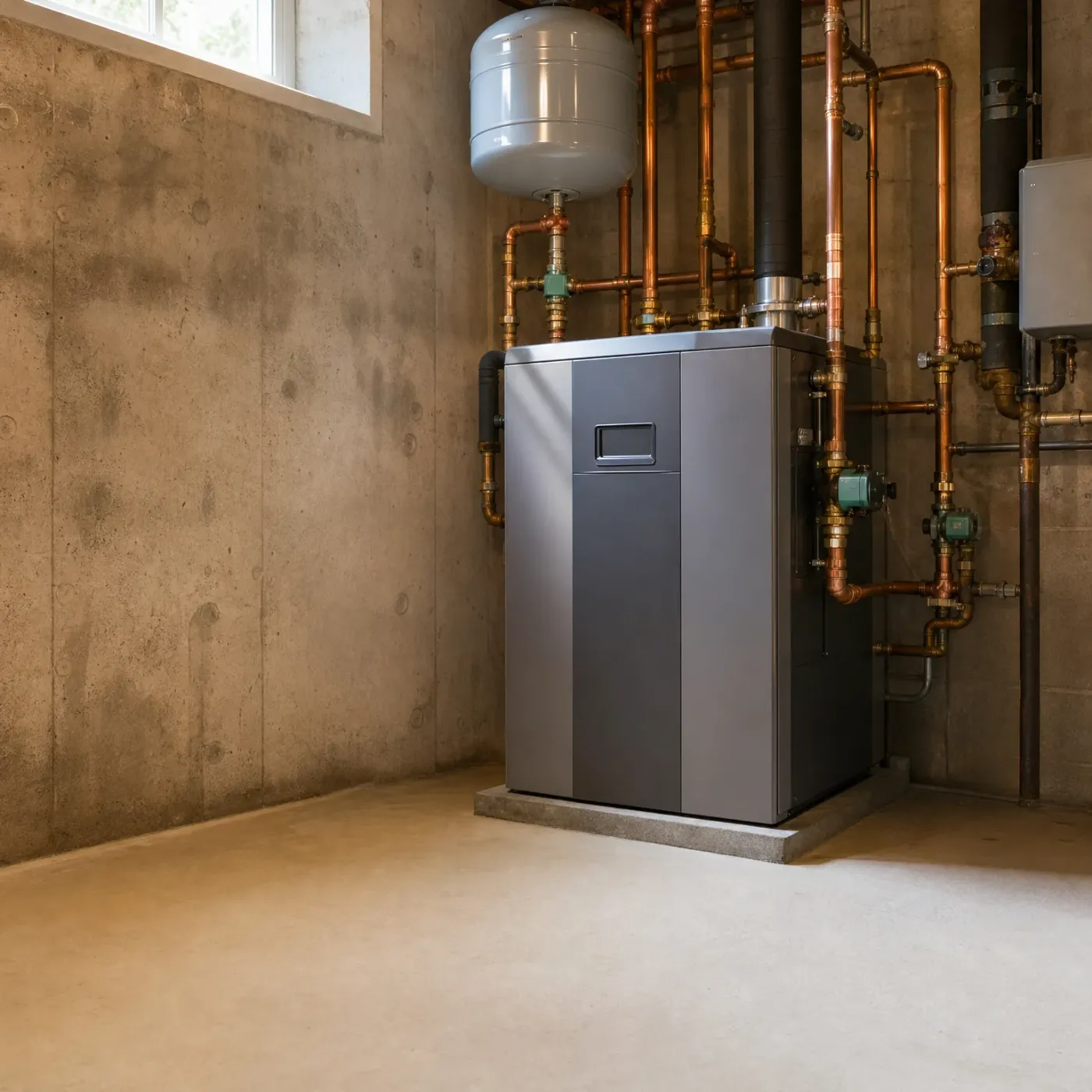
System moving heat right
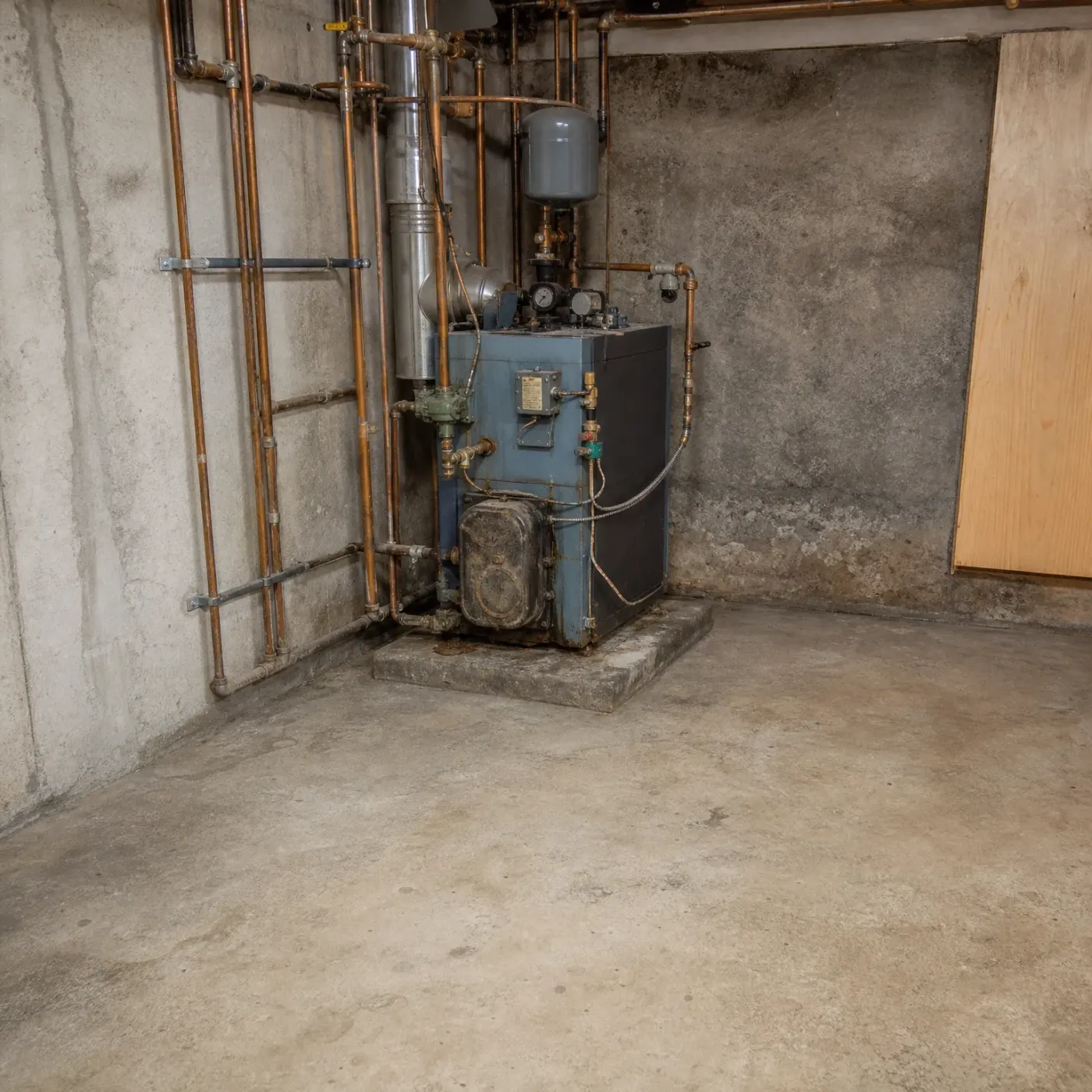
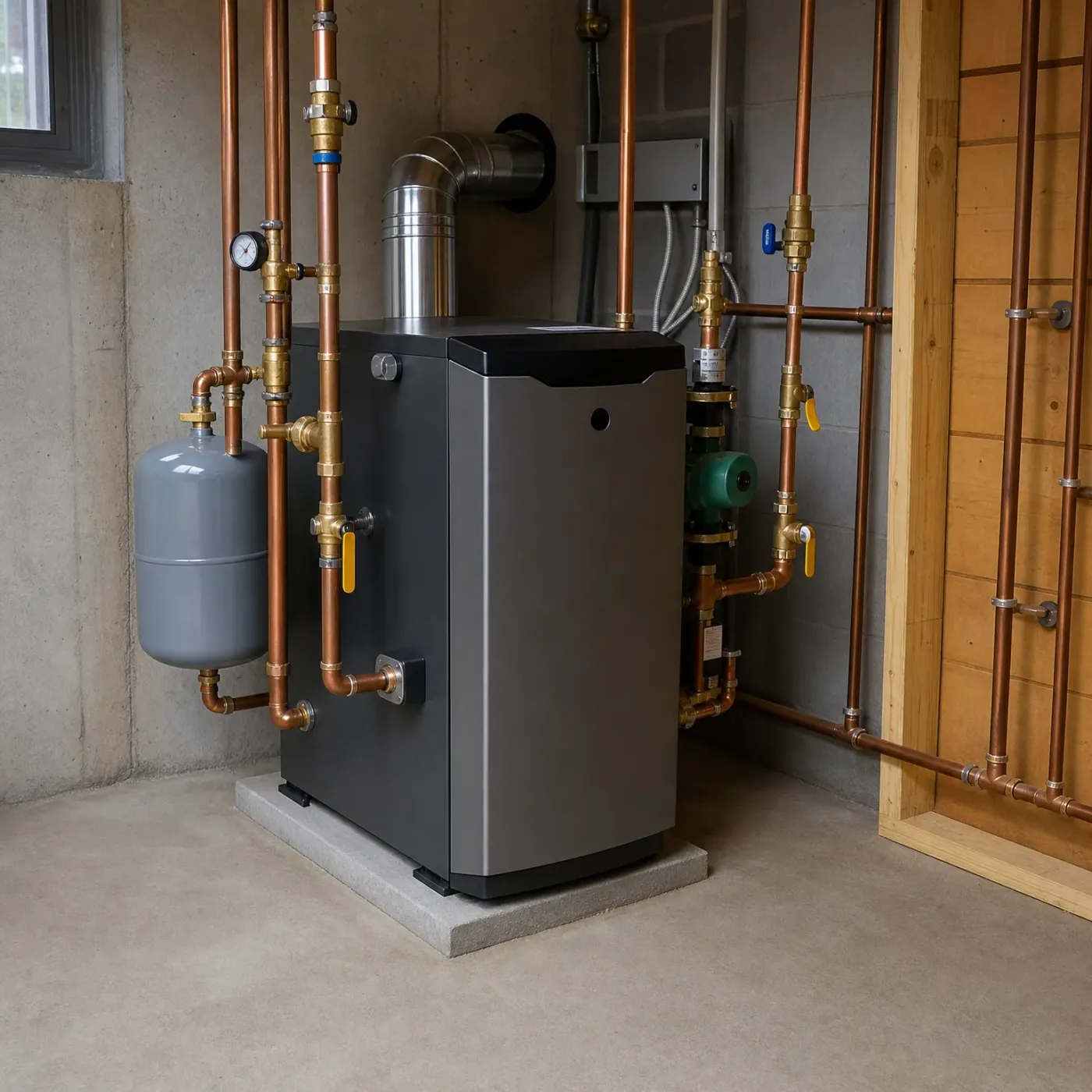
Pipes run full, the pump keeps water moving, and every radiator in the house pulls its share of heat from the boiler. The gauge holds steady and the burner cycles the way it should, on and off as the house calls for it.
 Match me with a pro
Tell a local repair pro what your boiler is doing.
Cold radiators in a Michigan winter are not something to sit on. If the rest of the house is warm but one radiator or all of them stay cold, or you hear the boiler running with nothing to show for it, something in the system isn't moving heat where it needs to go. Could be air trapped in the lines, a valve stuck shut, a circulator pump that quit, or the boiler itself losing pressure. Each of those points to a different fix, and guessing wrong wastes a cold night you don't have to spend.
Most homes around here run on gas, which means the boiler itself is probably fine on the fuel side. The problem is usually mechanical, somewhere between the boiler and the radiator that won't heat up. That's a job for someone who works on these systems regularly, not a guess-and-check project on a January evening.
Finding that person is usually the slow part. You'd be calling around, describing the same cold radiator three or four times to three or four different companies, waiting on quotes that come back on different days in different formats, trying to tell which contractor actually knows boilers and which one mostly does furnaces. That back and forth costs time you don't have when the house is losing heat.
This page connects you with a contractor who works on boilers and radiators in Michigan, matched to what you've described about your system. You're not left to sort through listings or make a round of cold calls. The contractor reaches out to you directly, once, with the information you've already given them in hand. No repeating yourself, no comparing five estimates written five different ways.
What's wrong with your radiators is specific to your system, and so is the fix. The next step is getting someone who can look at it.
You've checked the thermostat, you've waited, and the radiators in your house are still cold while the boiler runs. Maybe it's just one room, or maybe the whole house never gets warm no matter how long the system runs. With gas prices what they are and a Michigan winter ahead, you want to know what's stopping the heat before it costs you another month of high bills for rooms that stay cold.
Radiators heat up when hot water from the boiler moves through them freely. When one stays cold, air is usually trapped at the top of it, keeping water from filling the radiator even though the boiler is running. That shows up as a radiator that's cold at the top but warm at the bottom, or cold all over if the air pocket is bad enough. If every radiator in the house is cold, the problem is further back, at a valve that isn't opening, a pump that isn't circulating, or low water pressure in the boiler itself. A boiler that runs constantly without warming the radiators is working for nothing, and in a Michigan winter that means a cold house and a gas bill that doesn't match it.




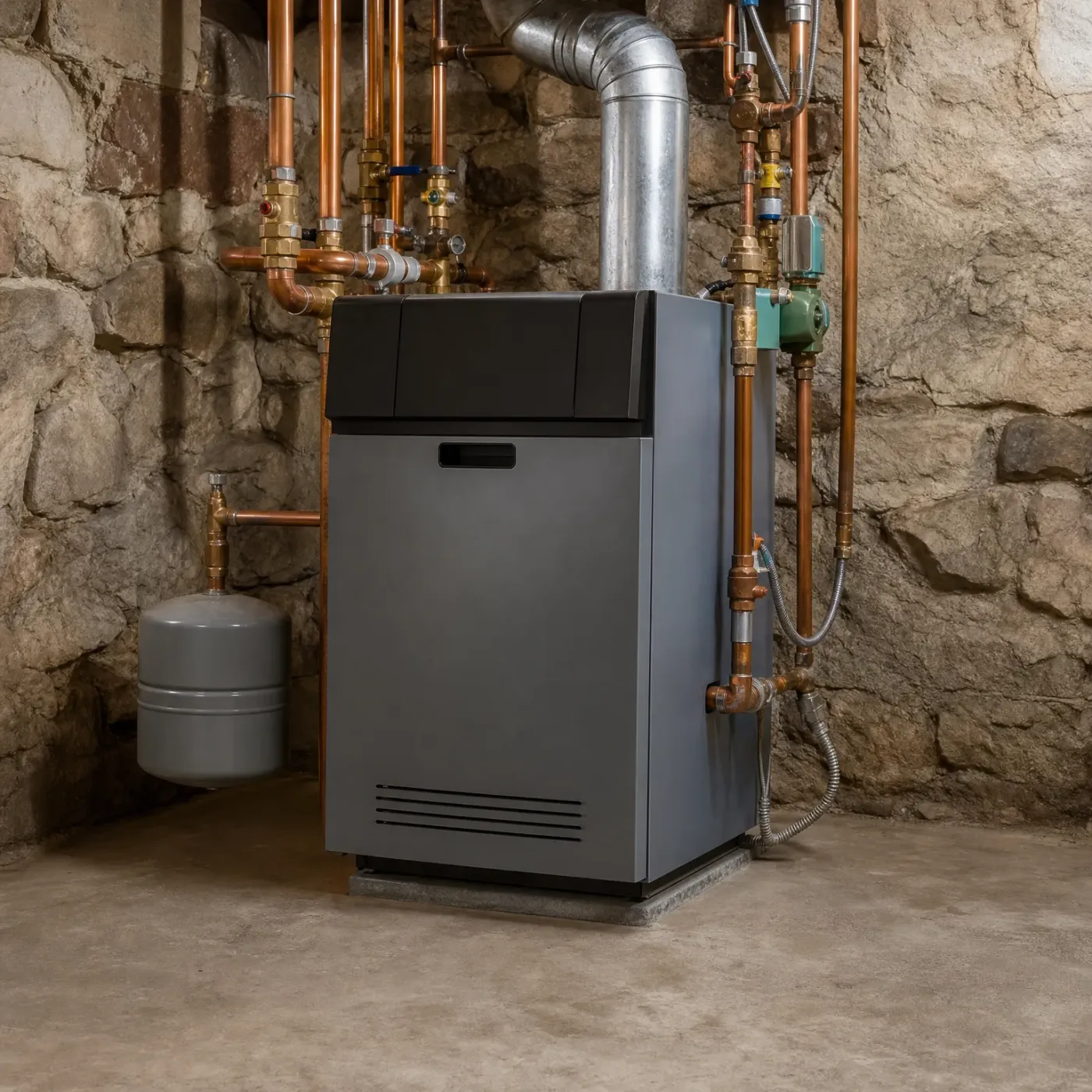
Hot water enters a radiator at the bottom and rises as it fills. Any air sitting in the system collects at the top of each radiator, since air is lighter than the water around it. That pocket of air keeps hot water from reaching the top, so you get a radiator that's warm low down and stone cold up high. Bleeding the radiator lets that trapped air out through the bleed valve, and water takes its place from bottom to top. If the problem runs the other way, cold at the bottom and warm above it, air isn't the issue. Sludge and sediment settle low in the radiator over years of use and sit there blocking water from filling the base. Bleeding won't fix that one. Next to the bleed valve, every radiator also has a lockshield valve, and that one controls how much water flows into that radiator compared to the rest of the system. It's usually set once and left alone. If it's been closed off, nudged shut, or was never opened properly, that radiator can stay cold while every other one in the house heats up fine, because it's simply not getting its share of water. And sludge isn't always confined to one radiator. When it builds up inside the pipework itself, it can choke off flow to a whole branch, leaving several radiators cold at once instead of just one.
At 19°F outside, a boiler that's losing ground has nowhere to hide. Your radiators need to put out real heat on nights like that, not lukewarm air, and a system with trapped air or a stuck valve falls behind fast when it's this cold.
NOAA nClimDiv 1991-2020 county normals weighted by homes
A boiler works by pushing hot water through a closed loop. If a radiator valve is stuck shut or a zone valve has failed, water never reaches that radiator even though the boiler is firing normally.
That's why one cold radiator in a house full of warm ones usually points to a blocked path, not a dying boiler. The rest of the system working is what tells you where to look.
Answer a few questions instead of calling shop after shop.
It costs nothing to send, and you don't have to hire anyone.
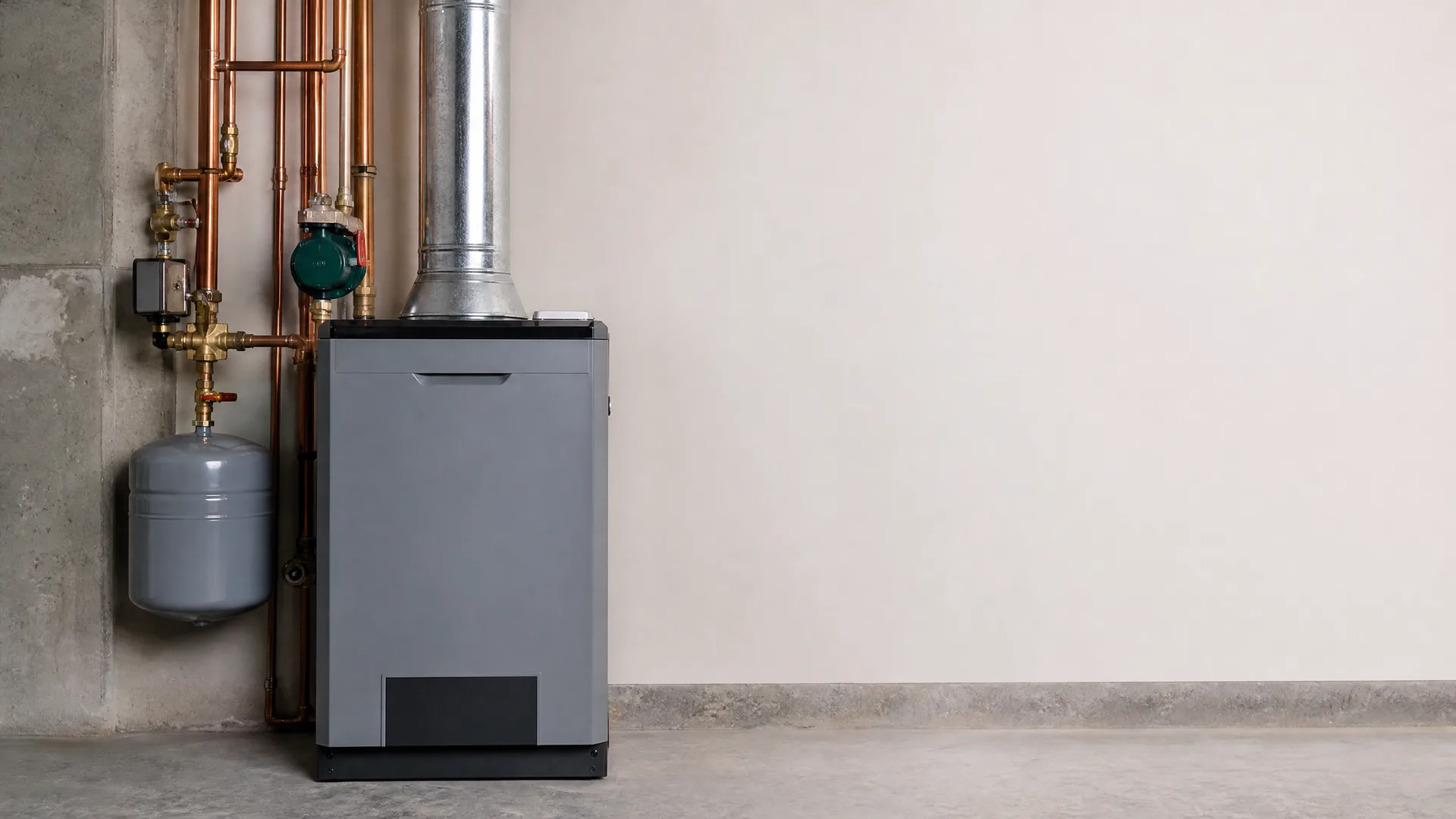
A boiler that keeps firing without heating the house still runs up the gas bill, and with power expensive here, any electric backup or space heater you bring in to cover a cold room adds to it fast. Meanwhile the room stays cold. You end up heating the house twice: once with a boiler that isn't reaching every radiator, and again with whatever you plug in to make up the difference.
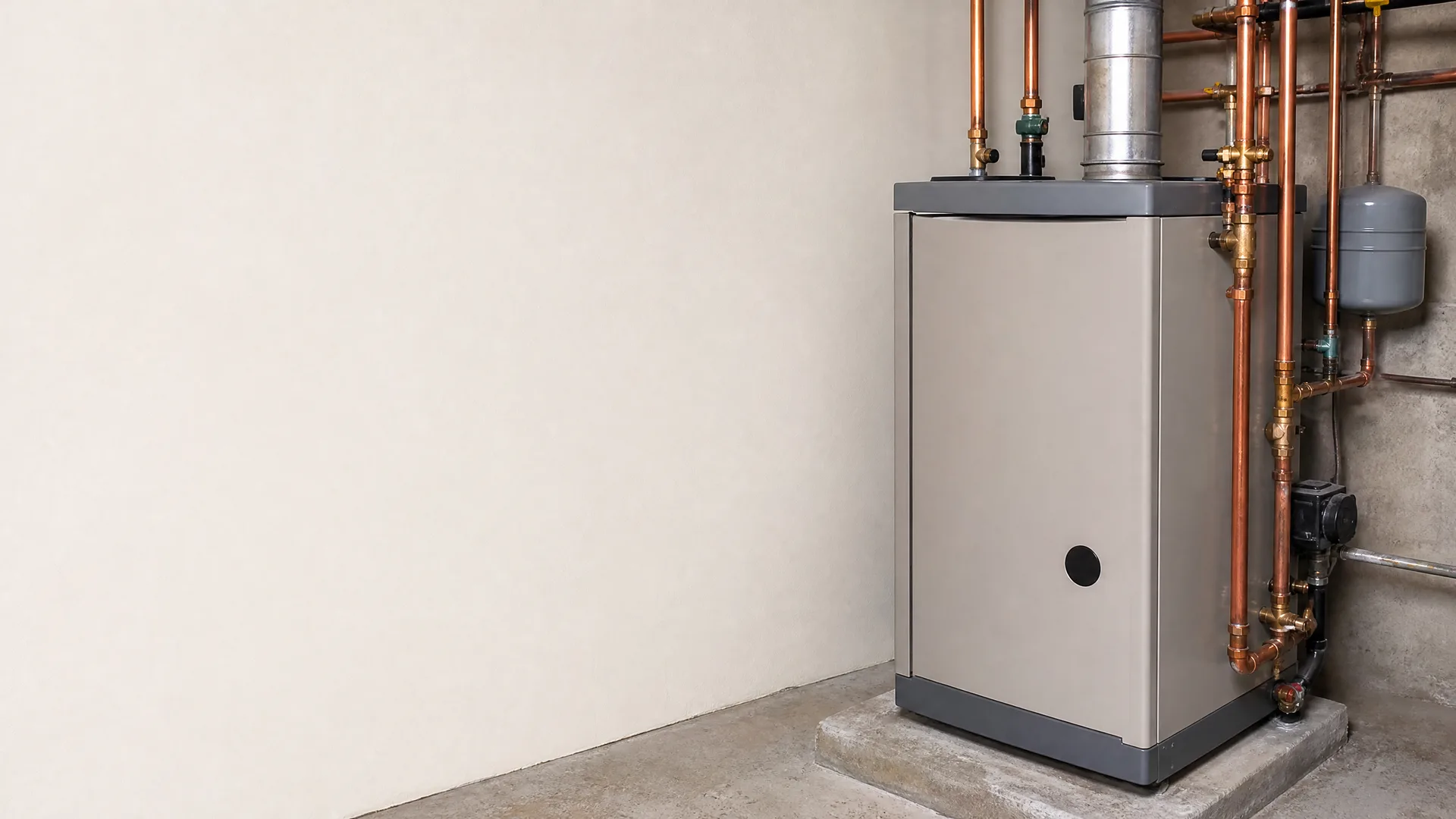
A house that depends on radiator heat doesn't have much backup when one stops working. Pipes running through a cold room or an uninsulated wall are the ones most likely to freeze if that room can't get warm, and a frozen pipe can split and leak once it thaws. The longer a radiator sits cold while the boiler keeps running, the more strain that puts on the boiler itself.

If the bedroom upstairs never gets warm, you feel it every night, not just on the coldest ones. You layer another blanket on, or you run a space heater in the corner, and that habit sets in faster than you'd think. Meanwhile the boiler keeps cycling on, burning gas to heat water that isn't reaching the room that needs it.
Tracking down whether it's a stuck valve, a failed zone valve, or air trapped in the line takes someone who can look at your actual system, not guess over the phone. Instead of calling around to find who's available and explaining the same cold radiator story twice, you can get matched with a contractor who takes on jobs like this and have them reach out to you directly about your house.

Pipes run full, the pump keeps water moving, and every radiator in the house pulls its share of heat from the boiler. The gauge holds steady and the burner cycles the way it should, on and off as the house calls for it.
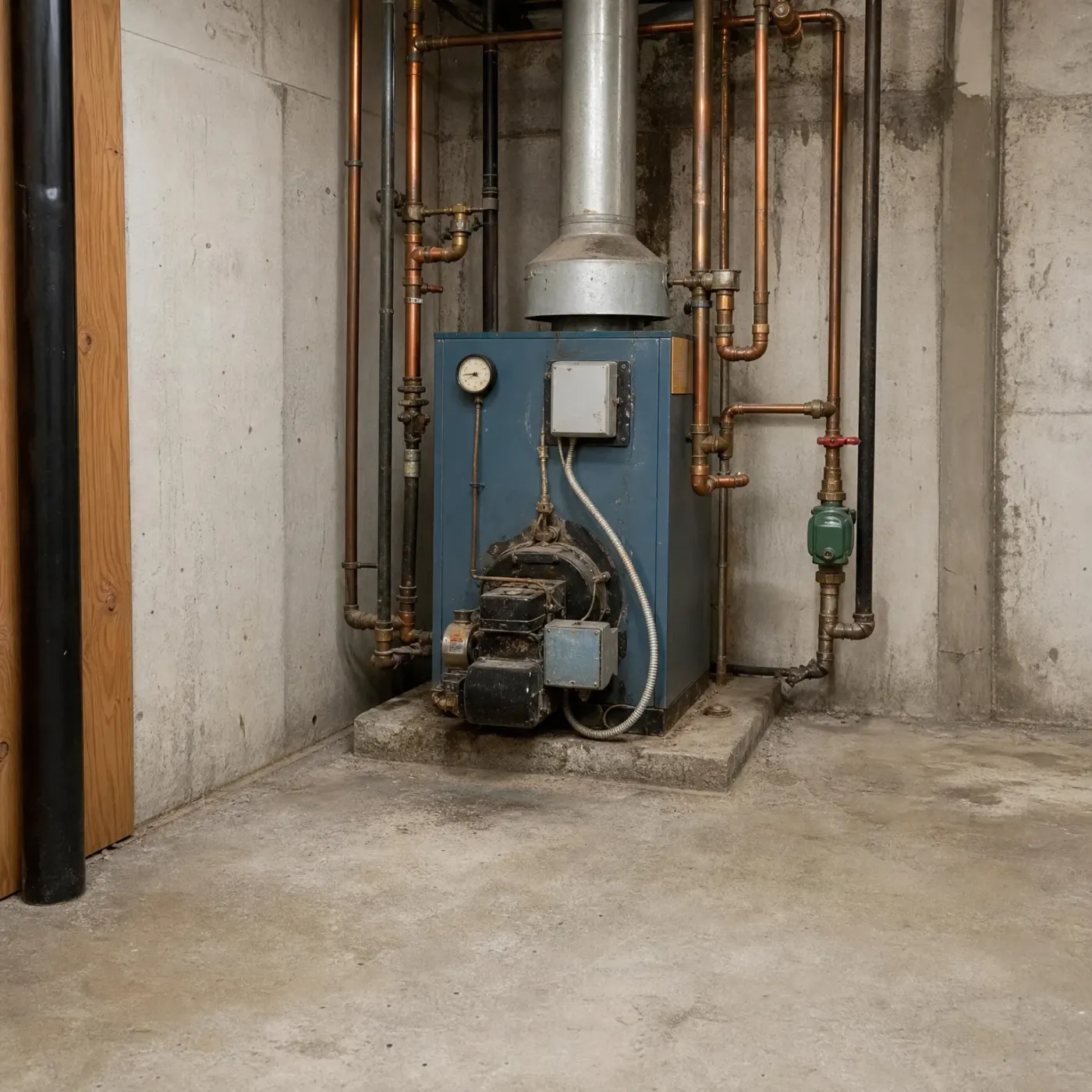
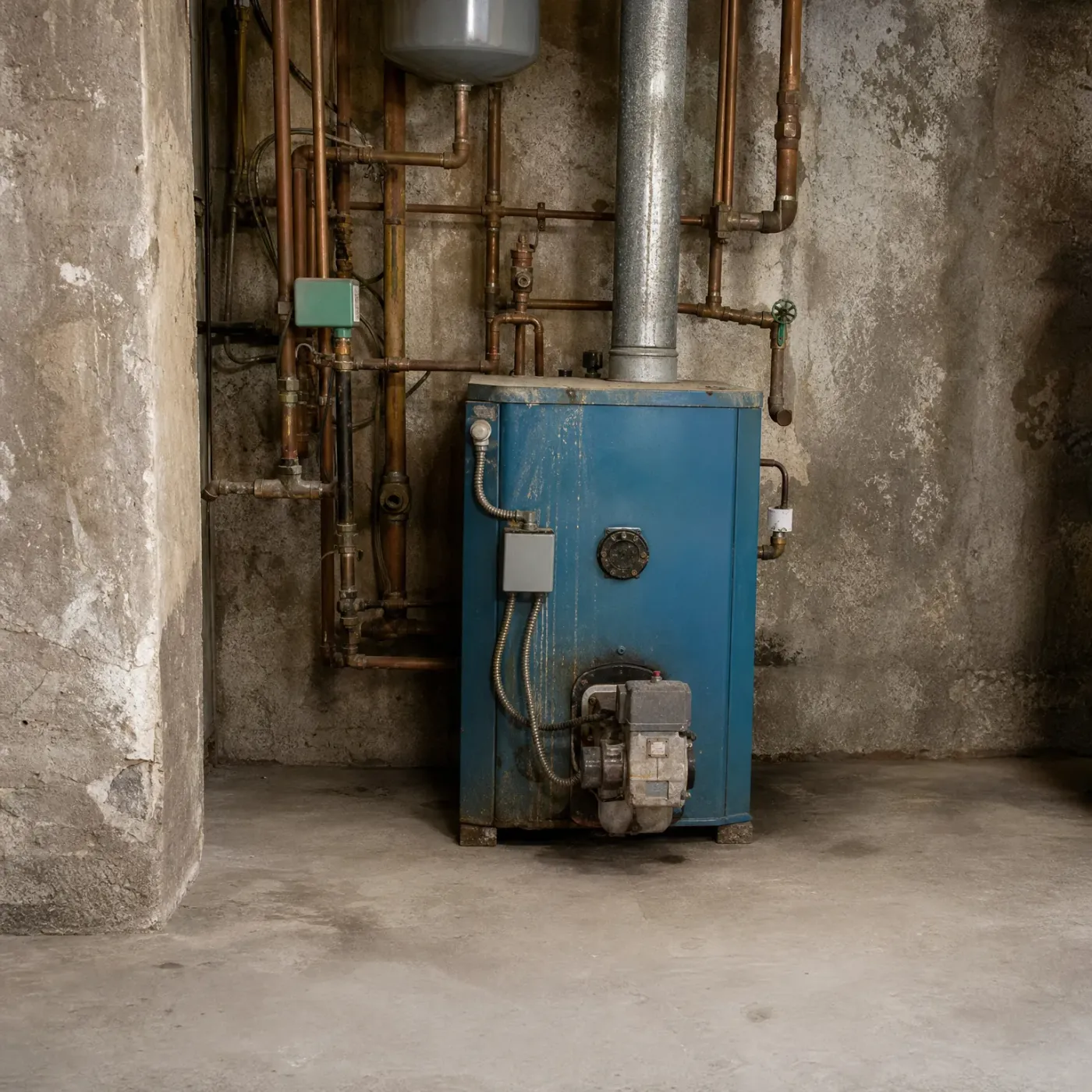
The gauge reads low or the pressure won't hold, and the burner fires longer than it should for what the radiators give back. Somewhere between the boiler and the far end of the loop, heat is getting lost before it reaches the room.


Go room to room and put a hand on each radiator. Some might be hot at the bottom and cool at the top, a sign of trapped air. Others might be cold straight through while the boiler keeps cycling. You might hear gurgling or knocking in the pipes, or notice the boiler pressure gauge sitting lower than it used to. Maybe one bedroom just never gets warm no matter how long the heat runs. None of that fixes itself by waiting. A system that's been working around a stuck valve or an airlock for weeks puts more strain on the boiler itself, and that's a bigger problem than one cold room.
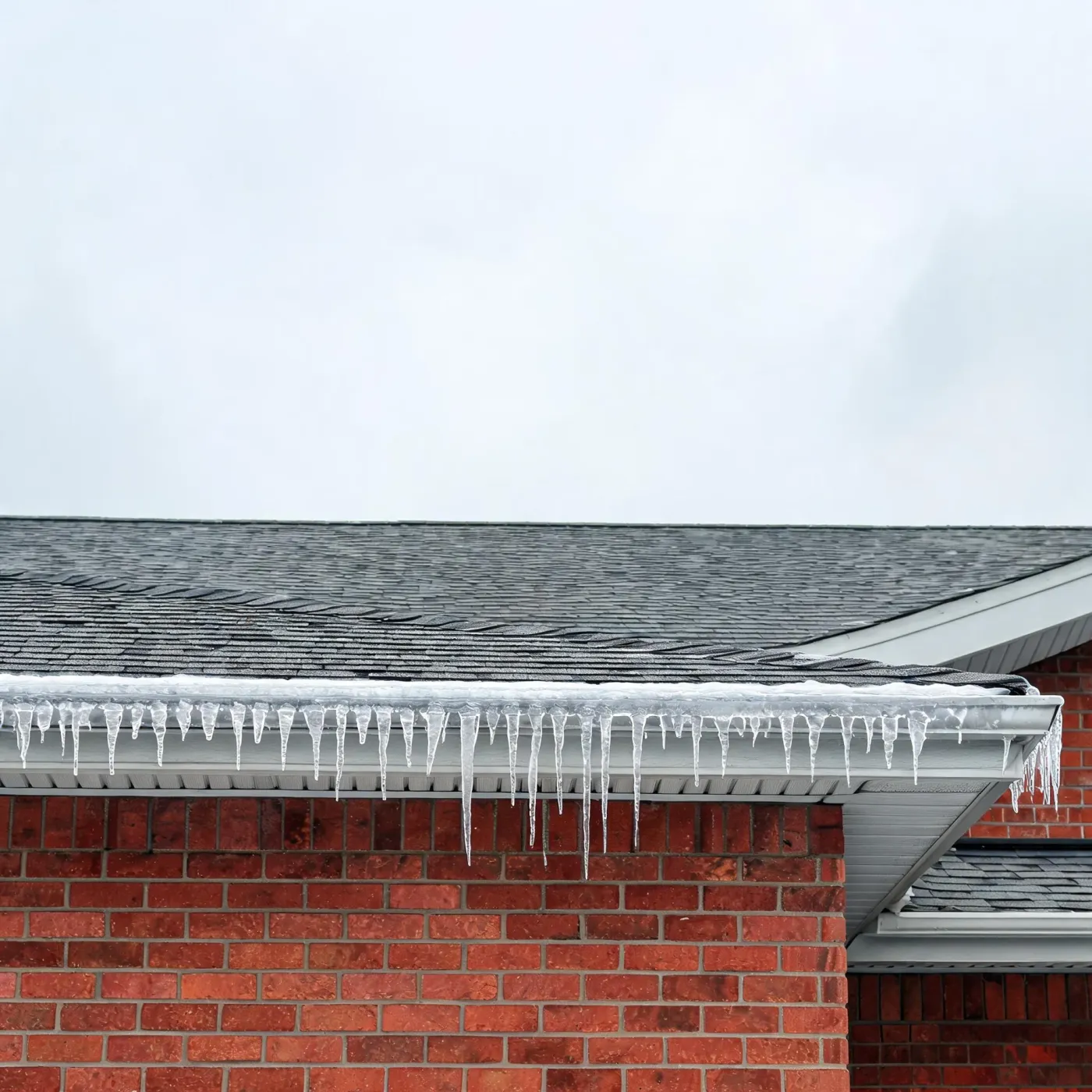
Winter nights average 19°F across Michigan, according to NOAA climate data. At that temperature, your boiler has to push hot water through every radiator just to keep the house livable, and it runs for long stretches to do it. A radiator with trapped air or a stuck valve can't keep up on a night like that, even if it seemed fine in milder weather. You'll feel it as a room that never quite warms, or a boiler that cycles on and on without the house gaining ground. The colder it gets outside, the faster a small problem in the system turns into a room you're avoiding.
NOAA nClimDiv 1991-2020 county normals weighted by homes
A cold radiator usually comes down to one of a few things: trapped air, a stuck valve, sludge sitting in the bottom of the radiator, or water that isn't circulating the way it should. Bleeding a radiator fixes the first one. The others need a boiler technician to find the actual point where heat stops moving, and that's not always obvious from room to room. Instead of searching through contractors, calling a few, explaining the same cold bedroom or the same boiler that runs without result over and over, and then sorting through quotes to figure out who actually knows boilers, you can get matched with a contractor who works on systems like yours in Michigan and have them reach out to you directly. You still have a boiler that needs a look and a winter that isn't going to wait for it. But the part where you track down who to call and repeat yourself to each one is done. What's left is getting someone in to find out which of these is happening in your house.
Describe your boiler job once, to one pro.